Property Types We Roof in Peoria, AZ
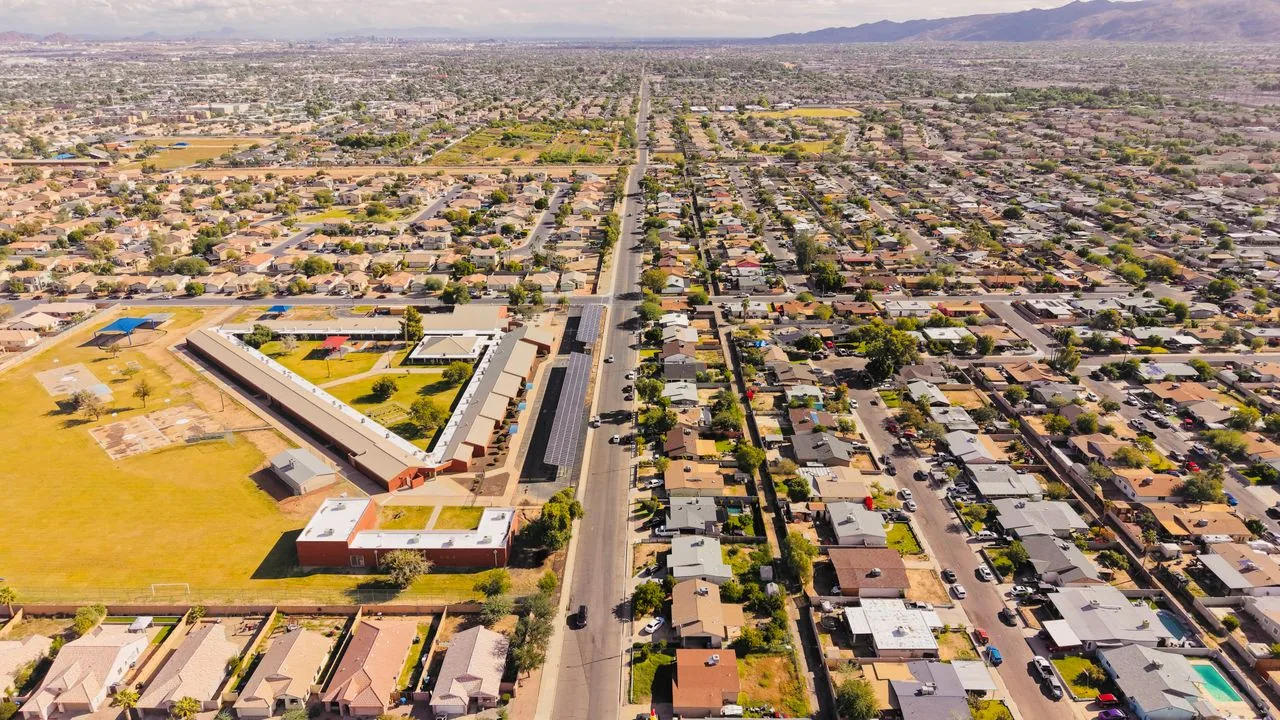
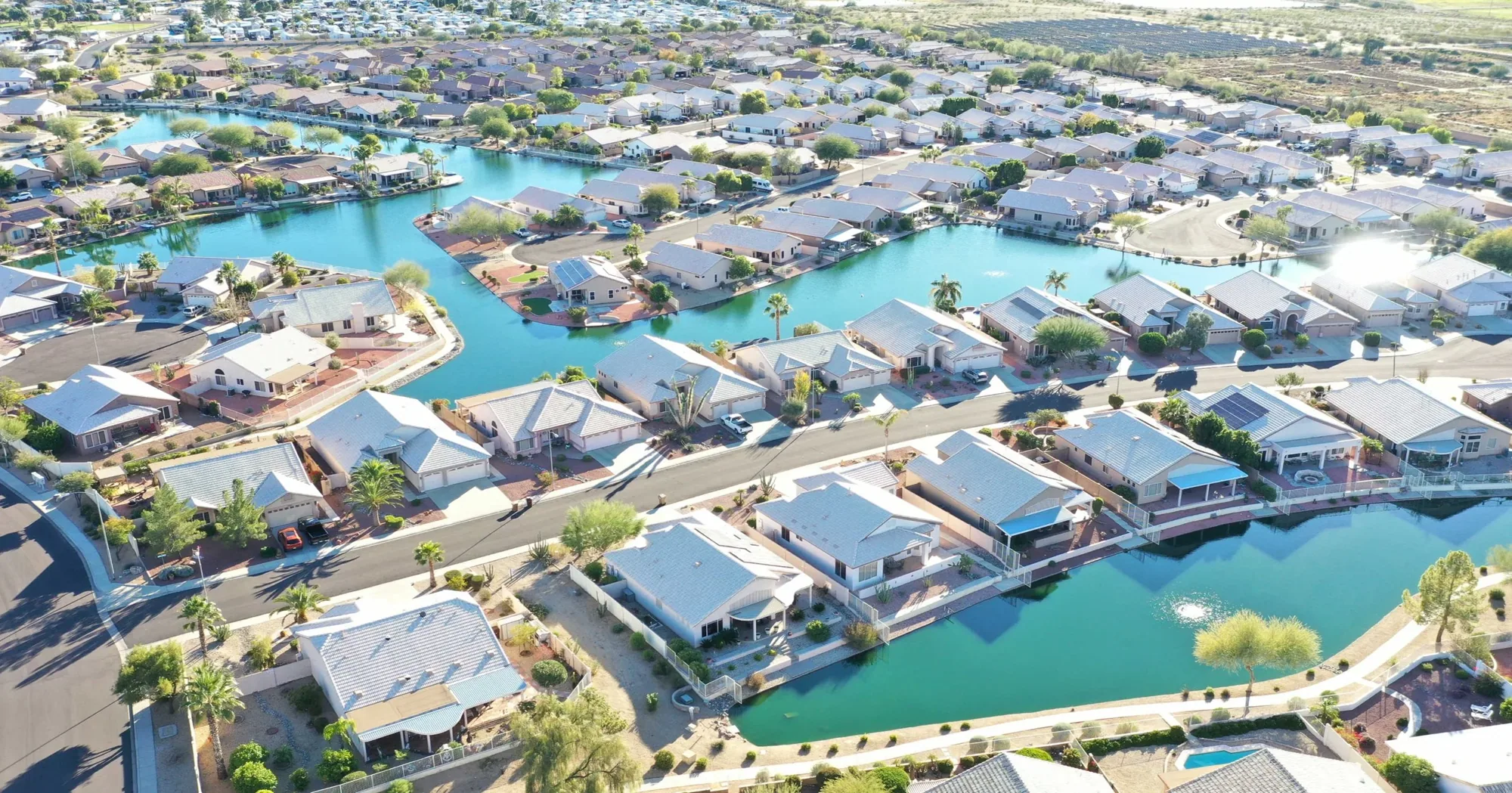
The use under a roof changes what a failure costs, even when the membrane overhead is identical. A leak over racking, a freezer room, a classroom or a server hall carries a different consequence, and the scope should reflect that before the first repair is priced. Peoria, AZ combines suburban retail and health care with planned employment land along Loop 303, so the building types here range widely, and each one is assessed for the operations it protects.
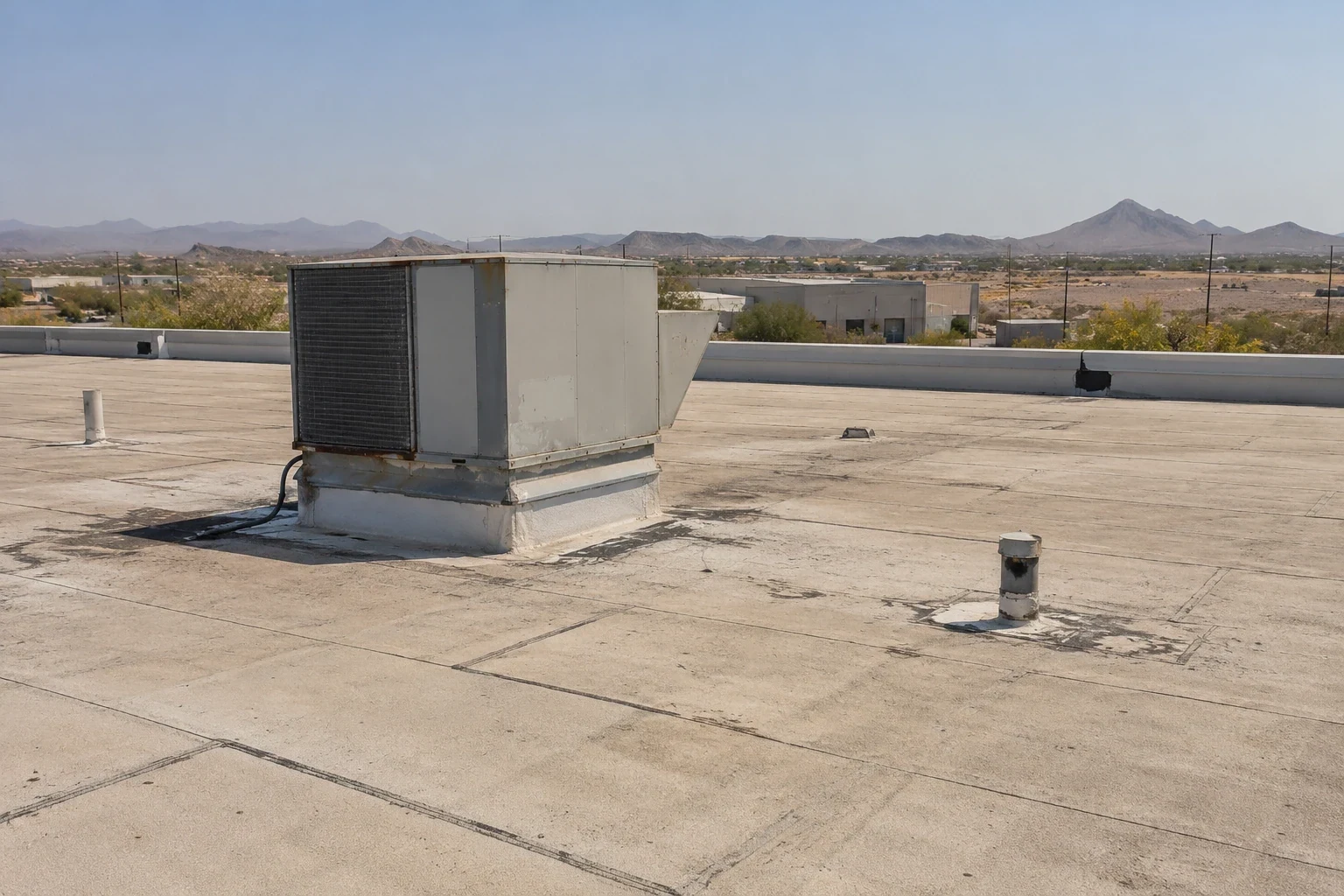
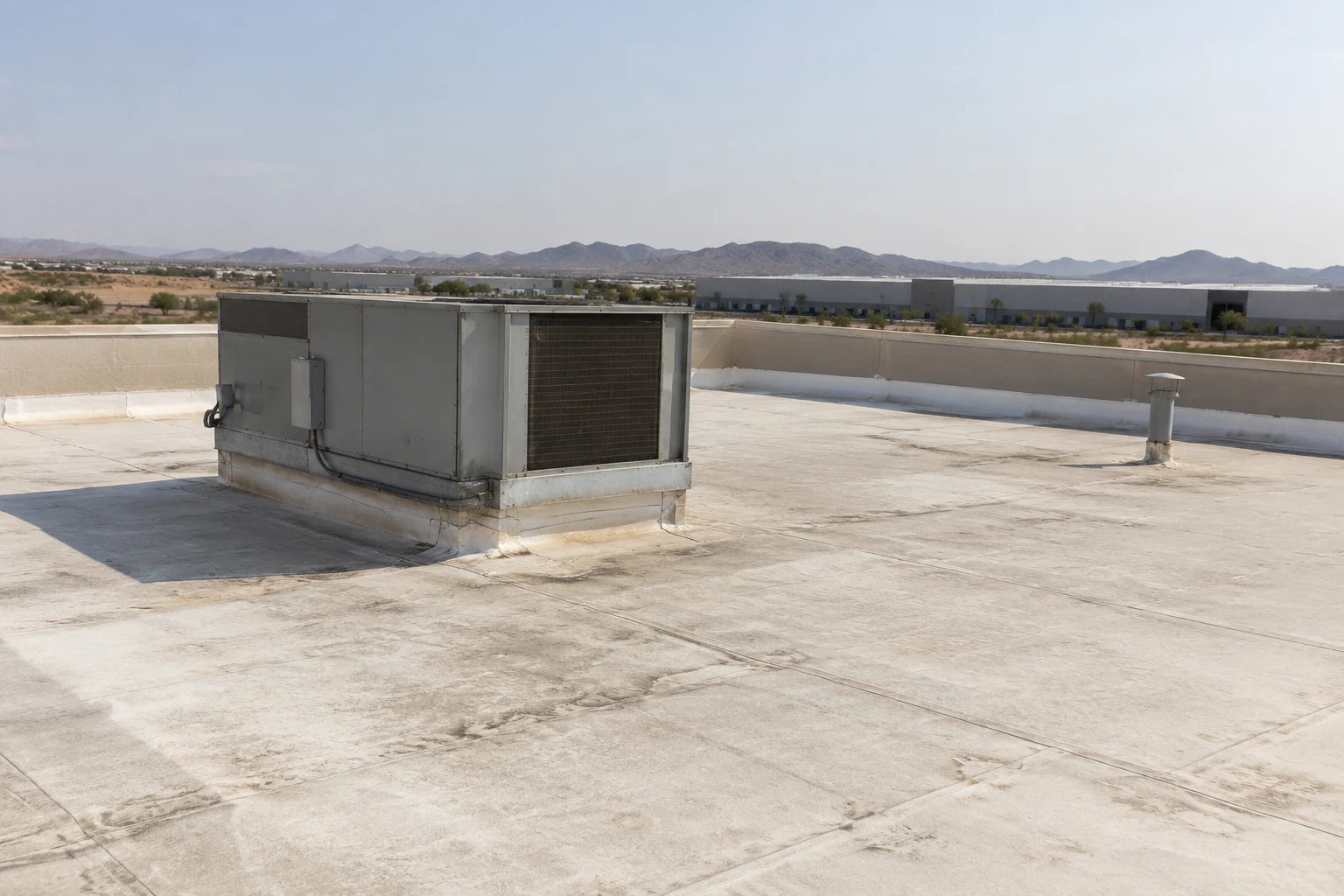
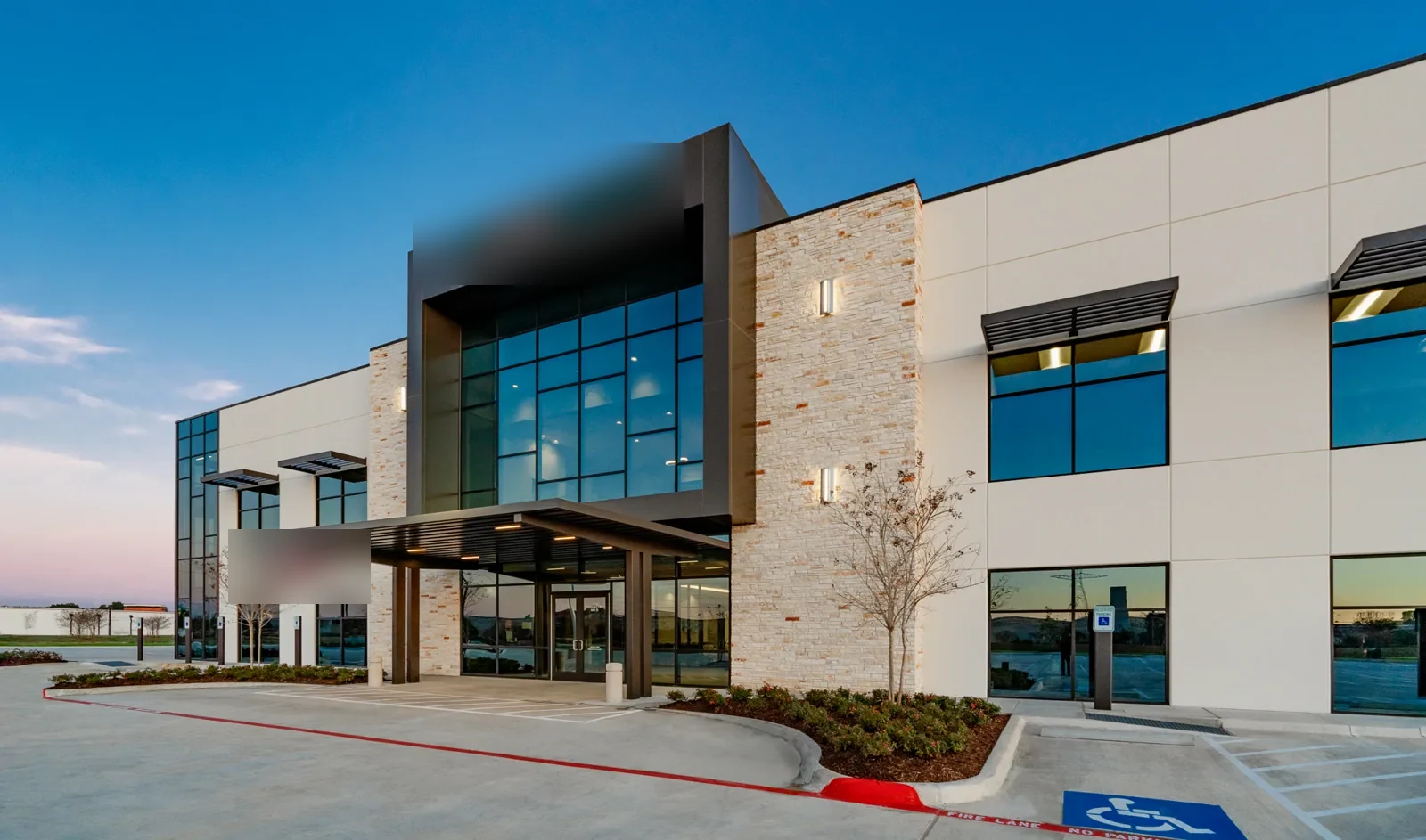
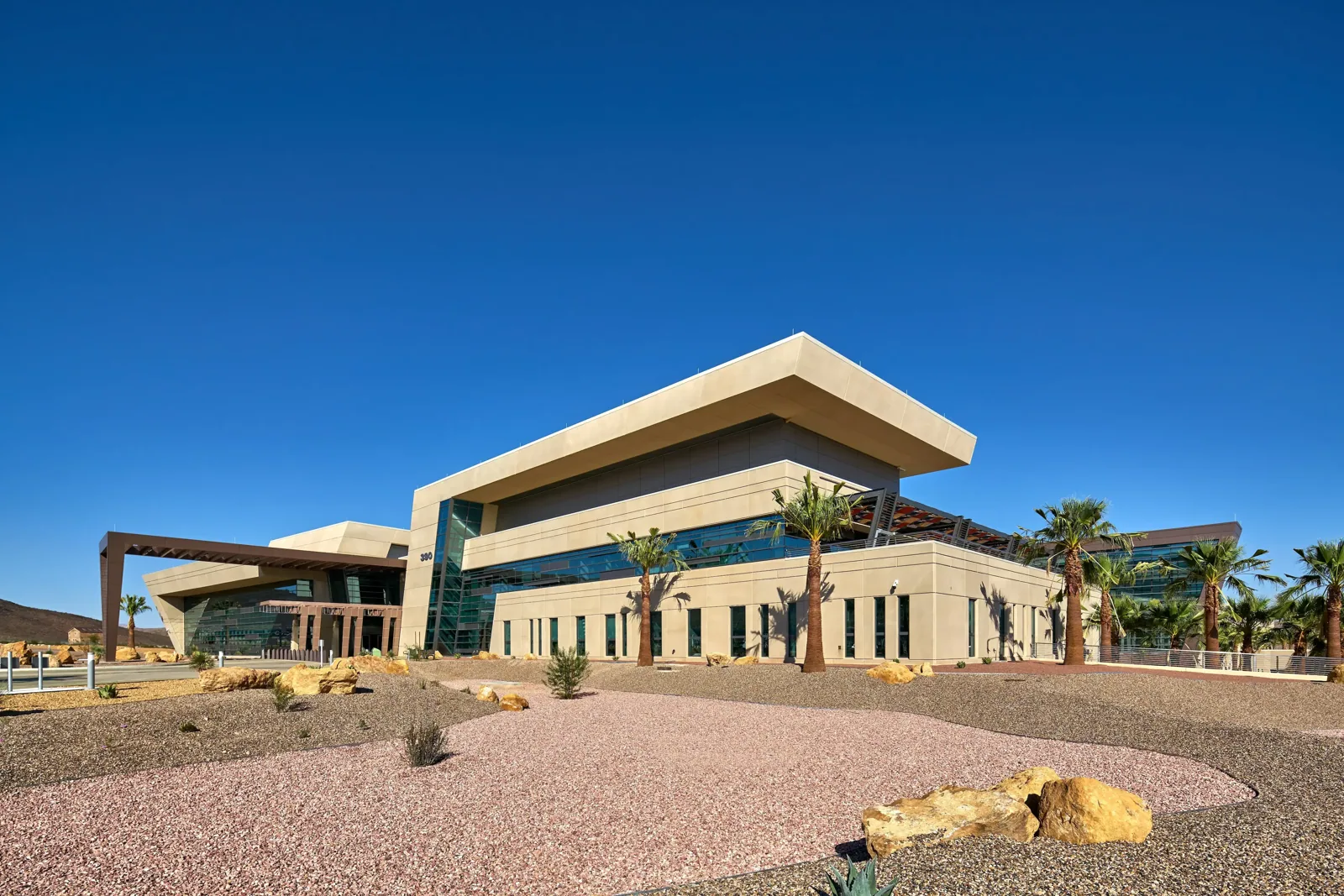
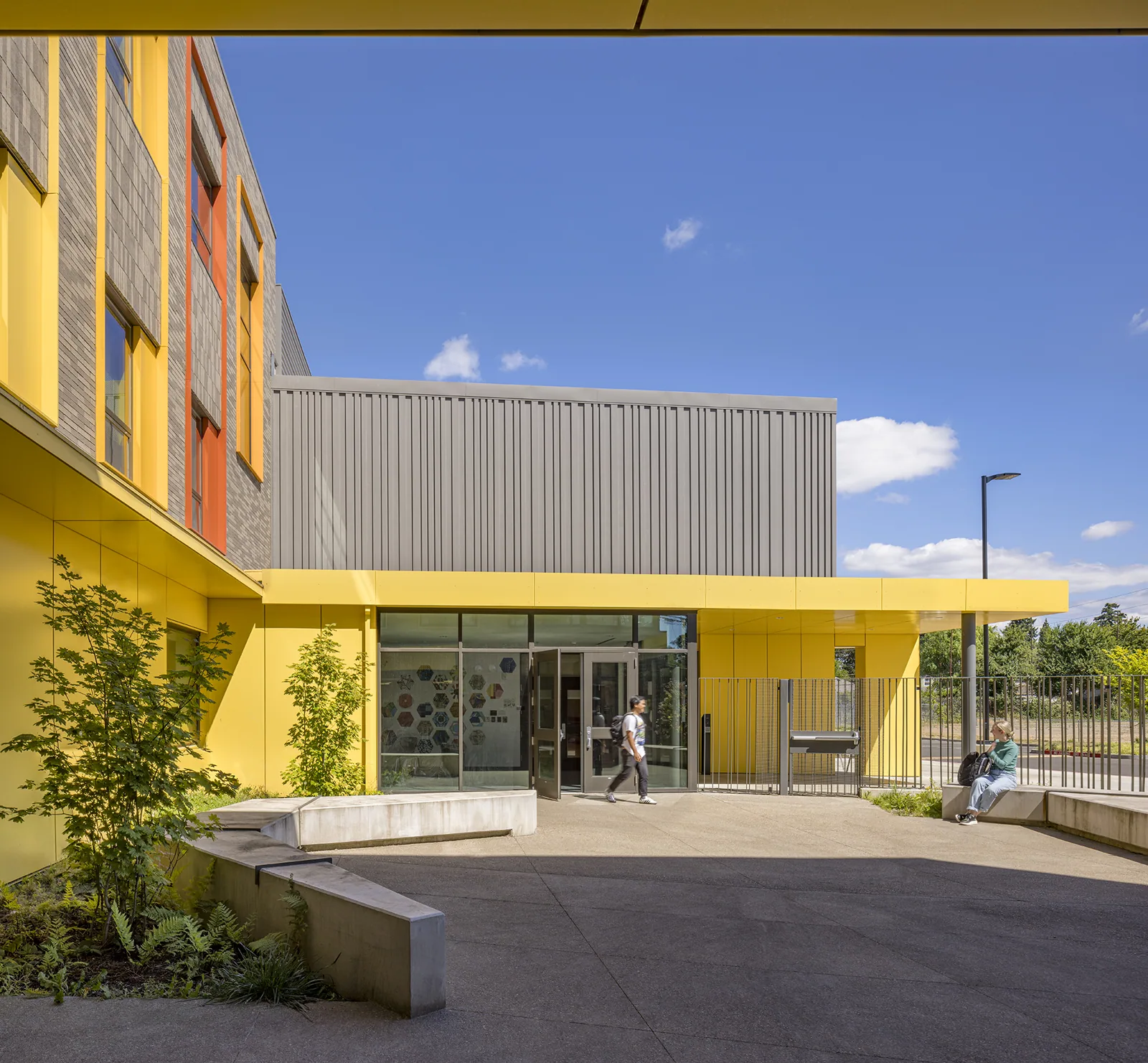
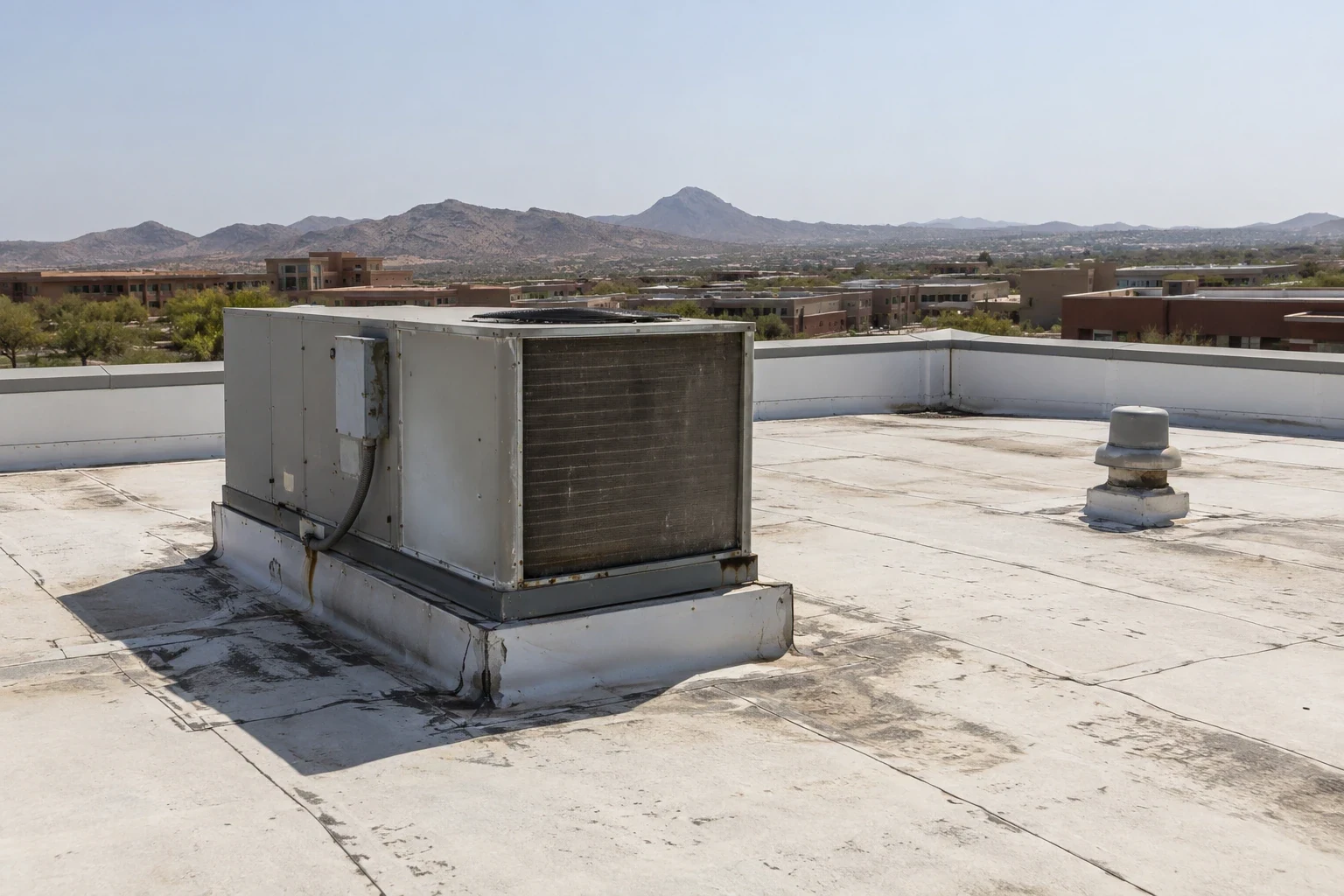
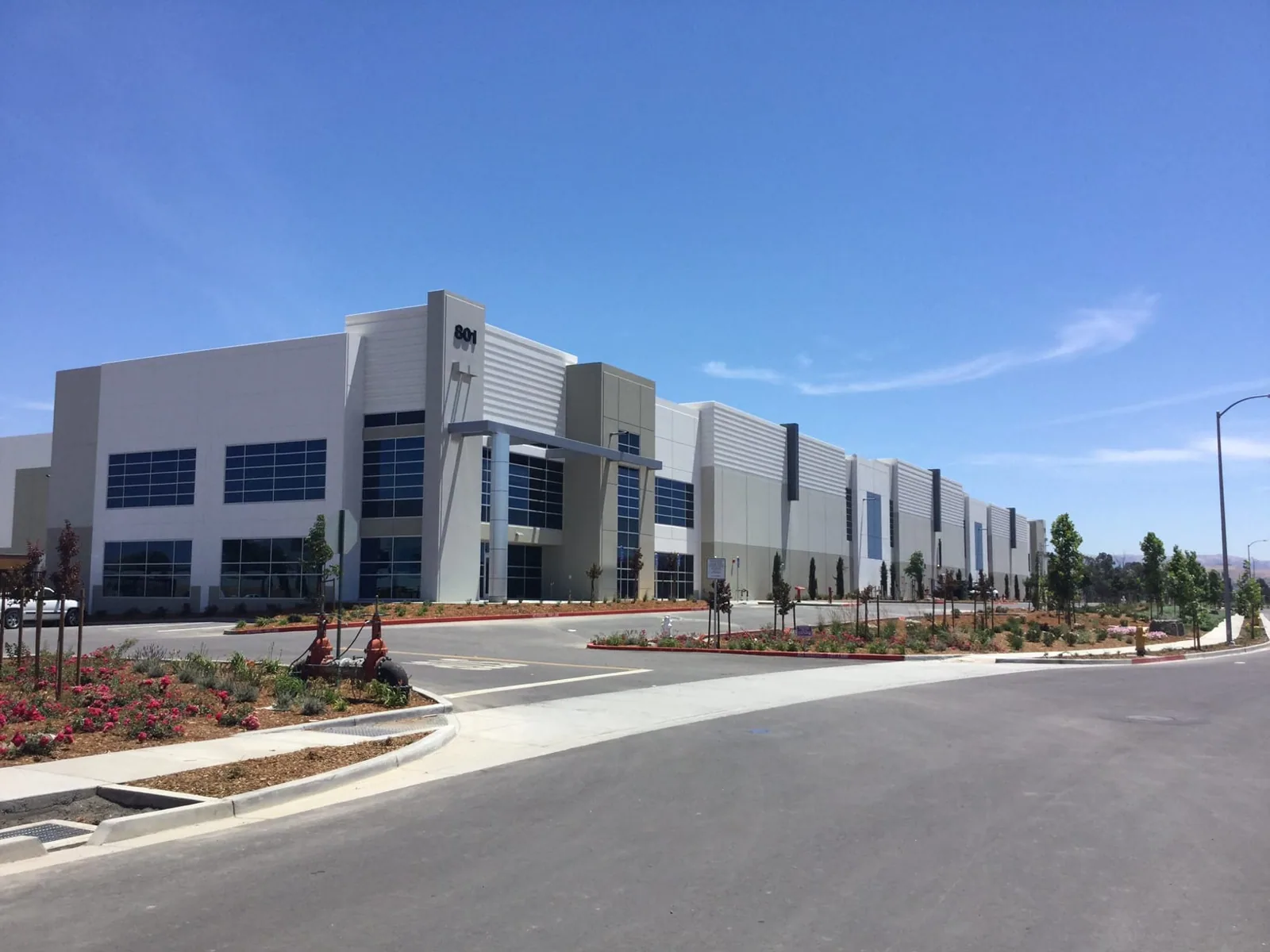
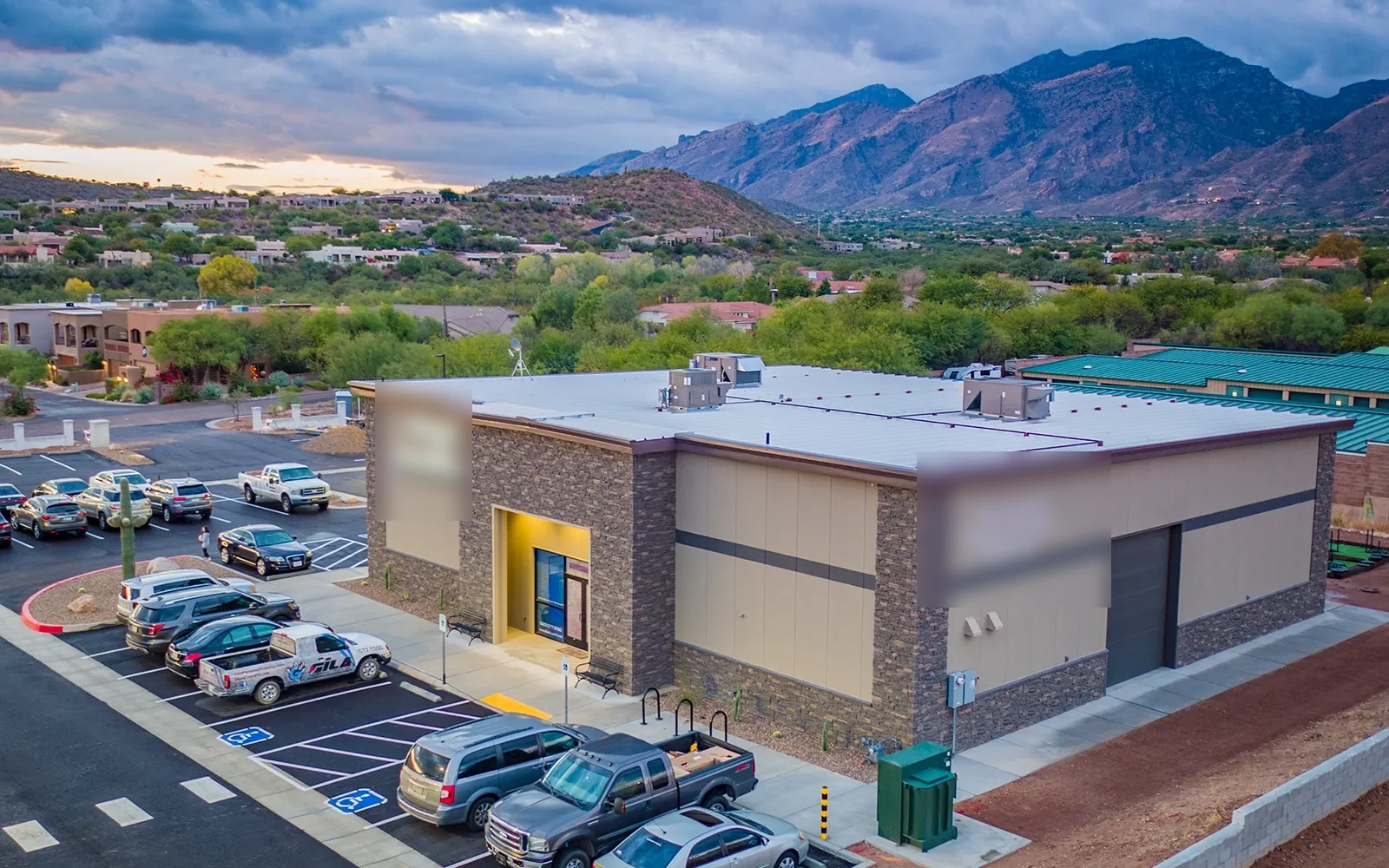
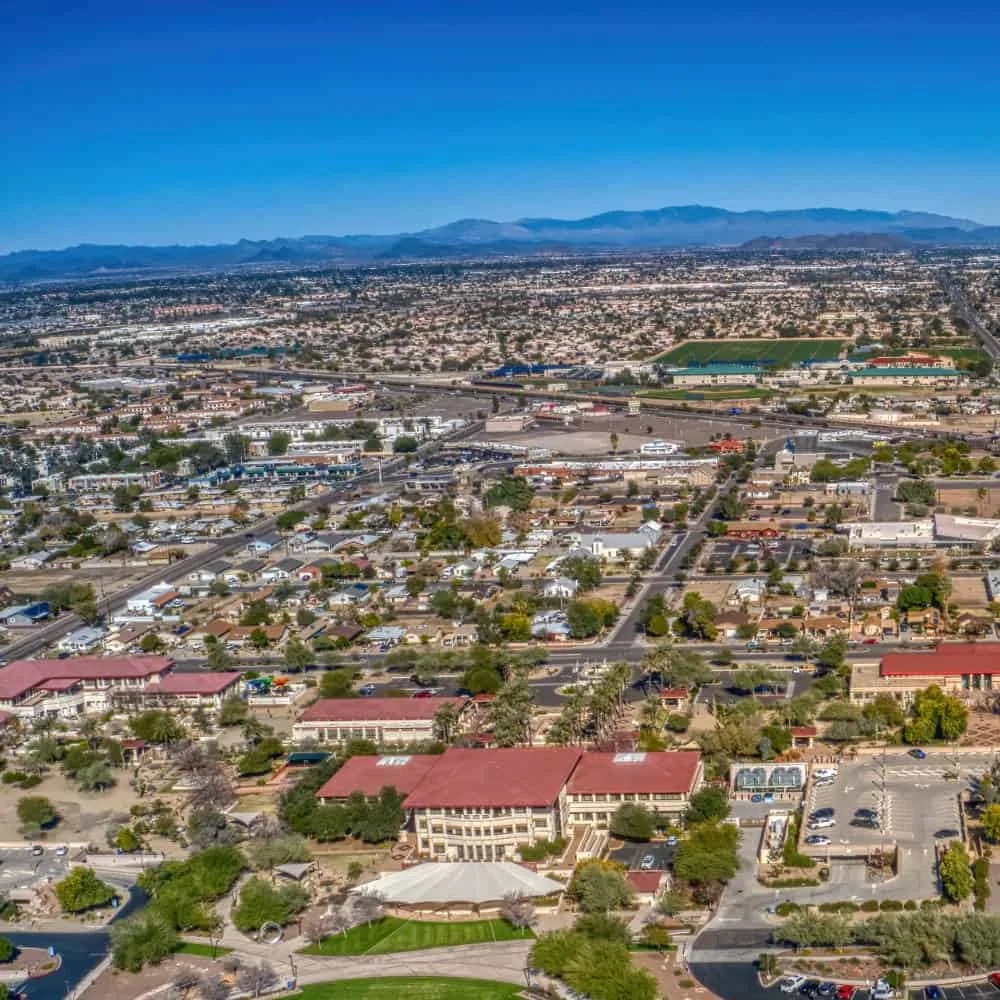
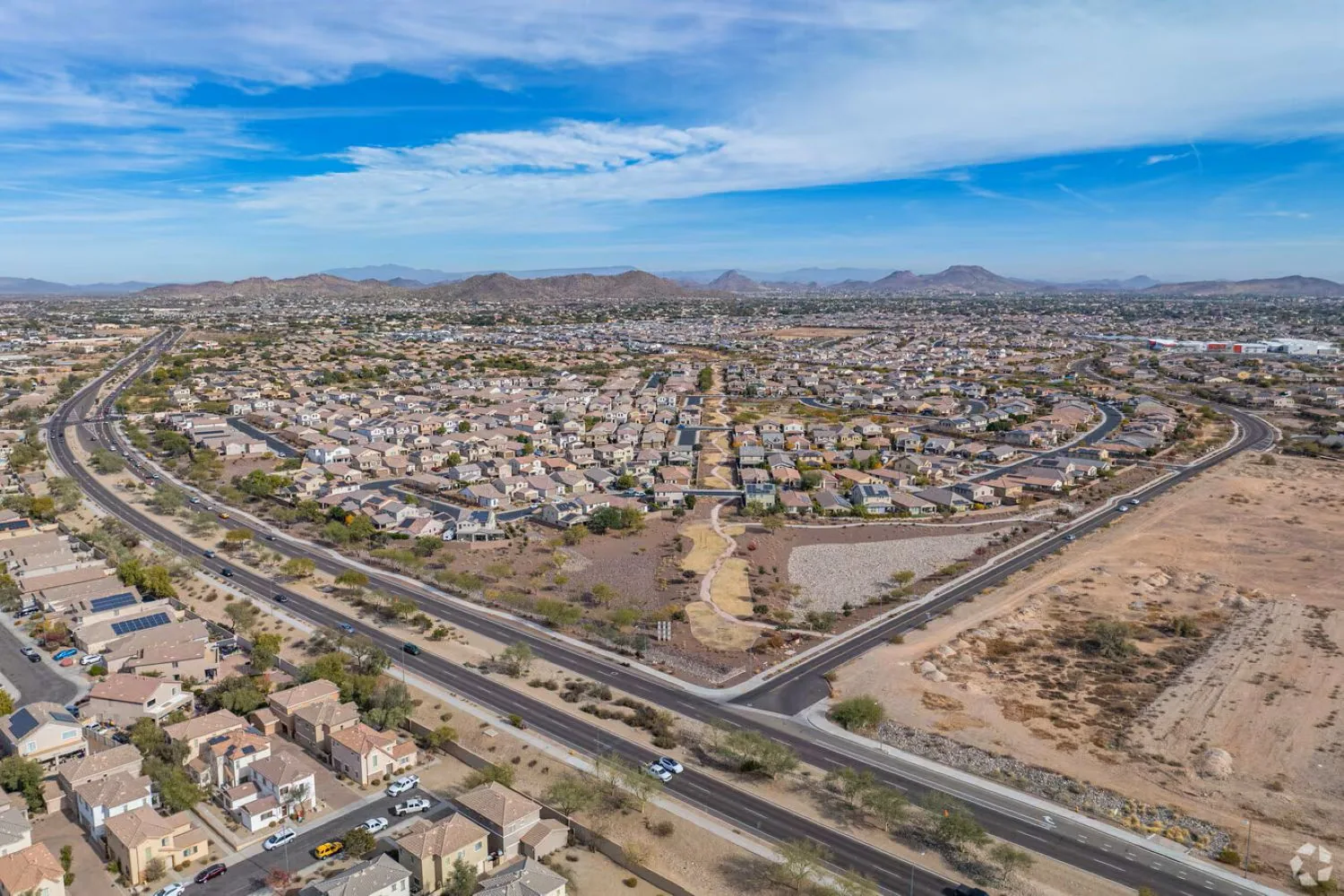

Protect operations in industrial and technical buildings
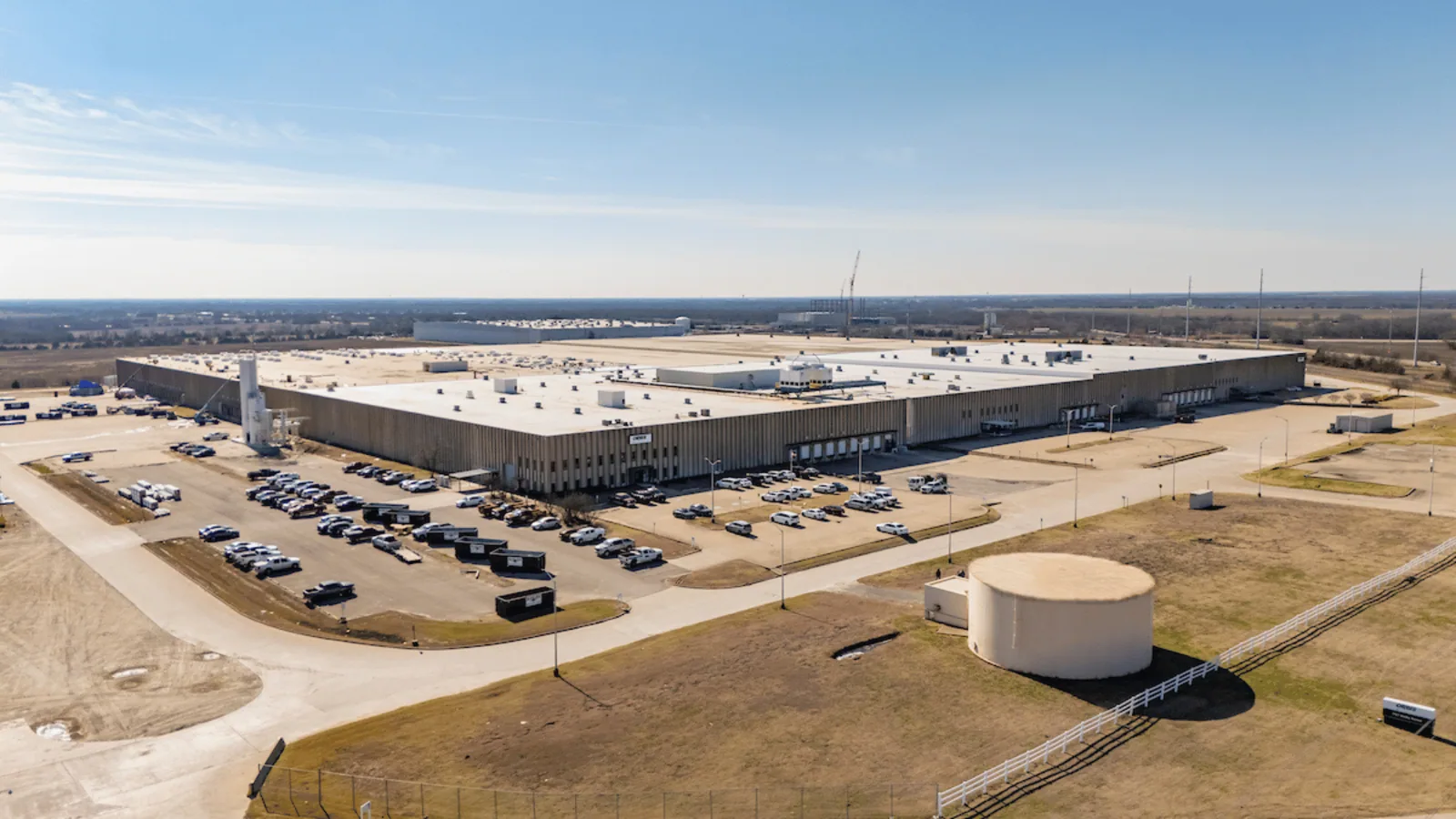
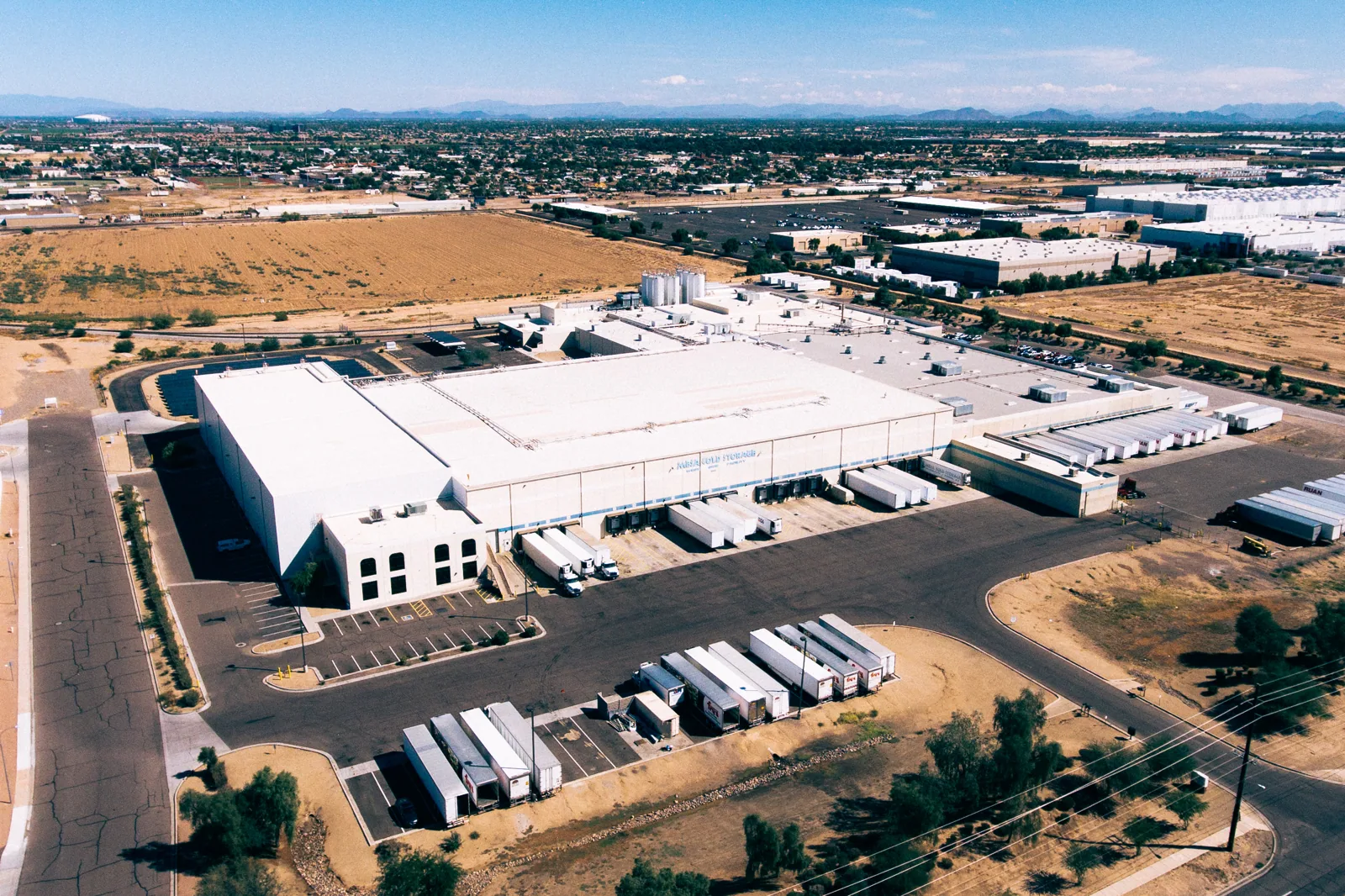
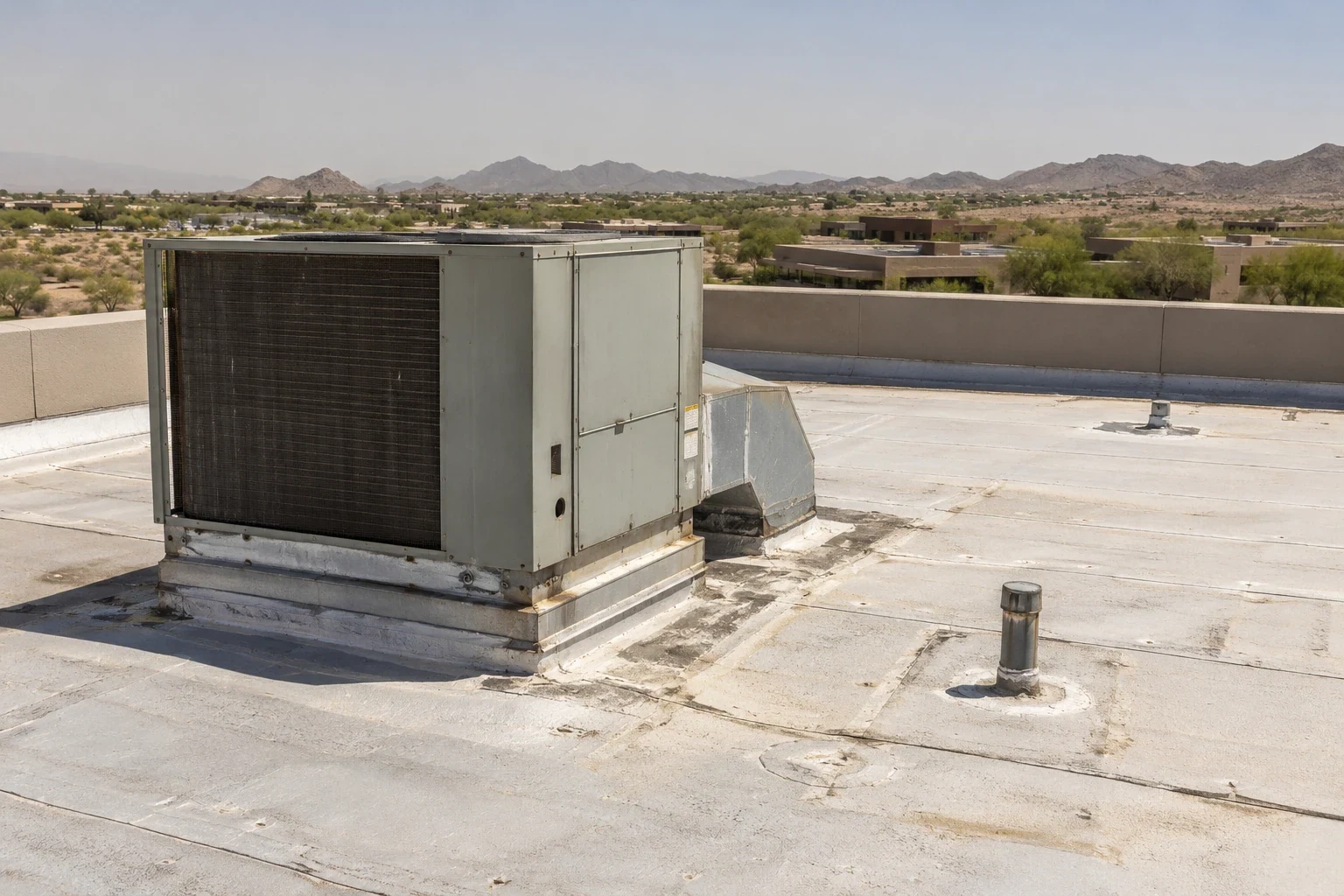
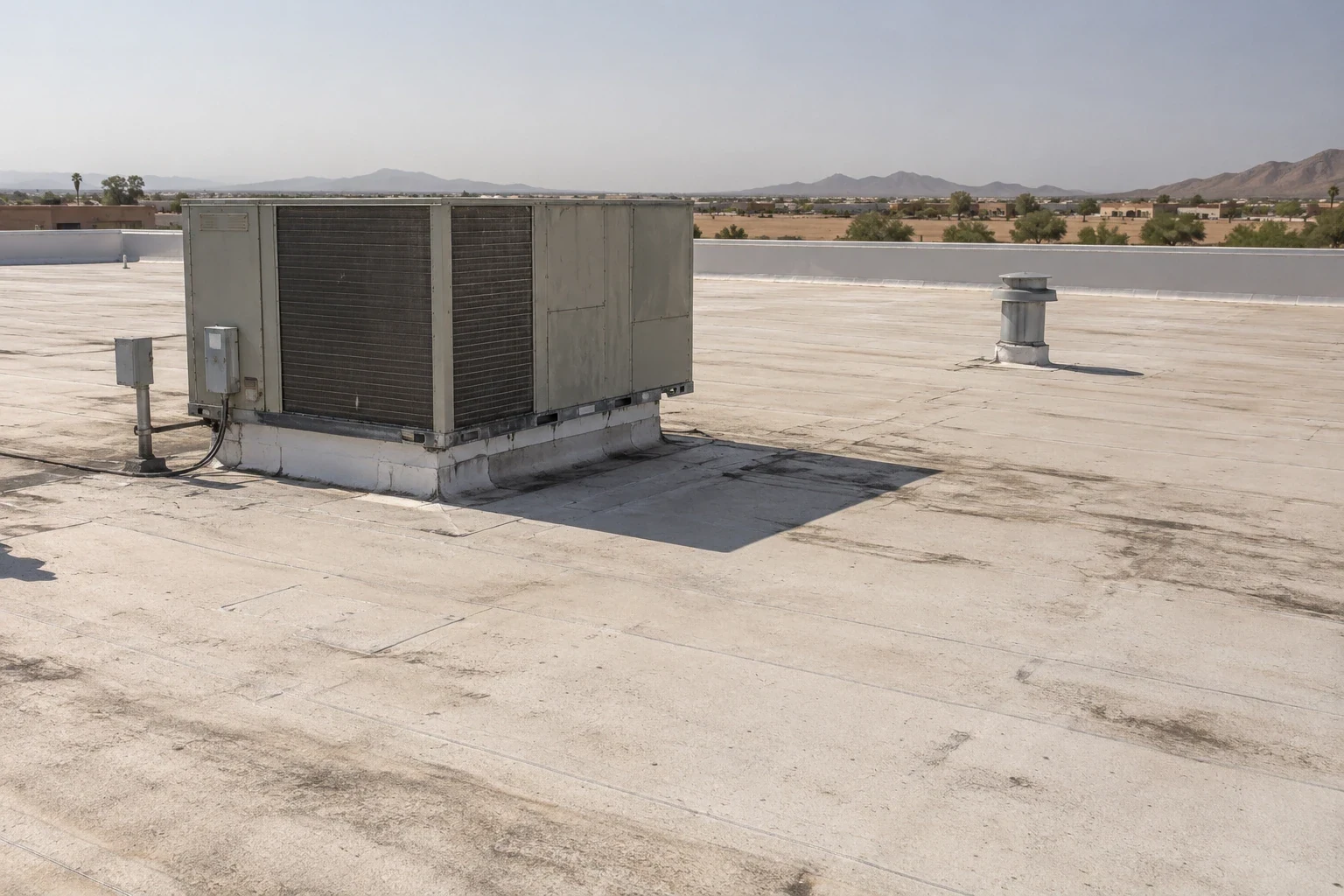
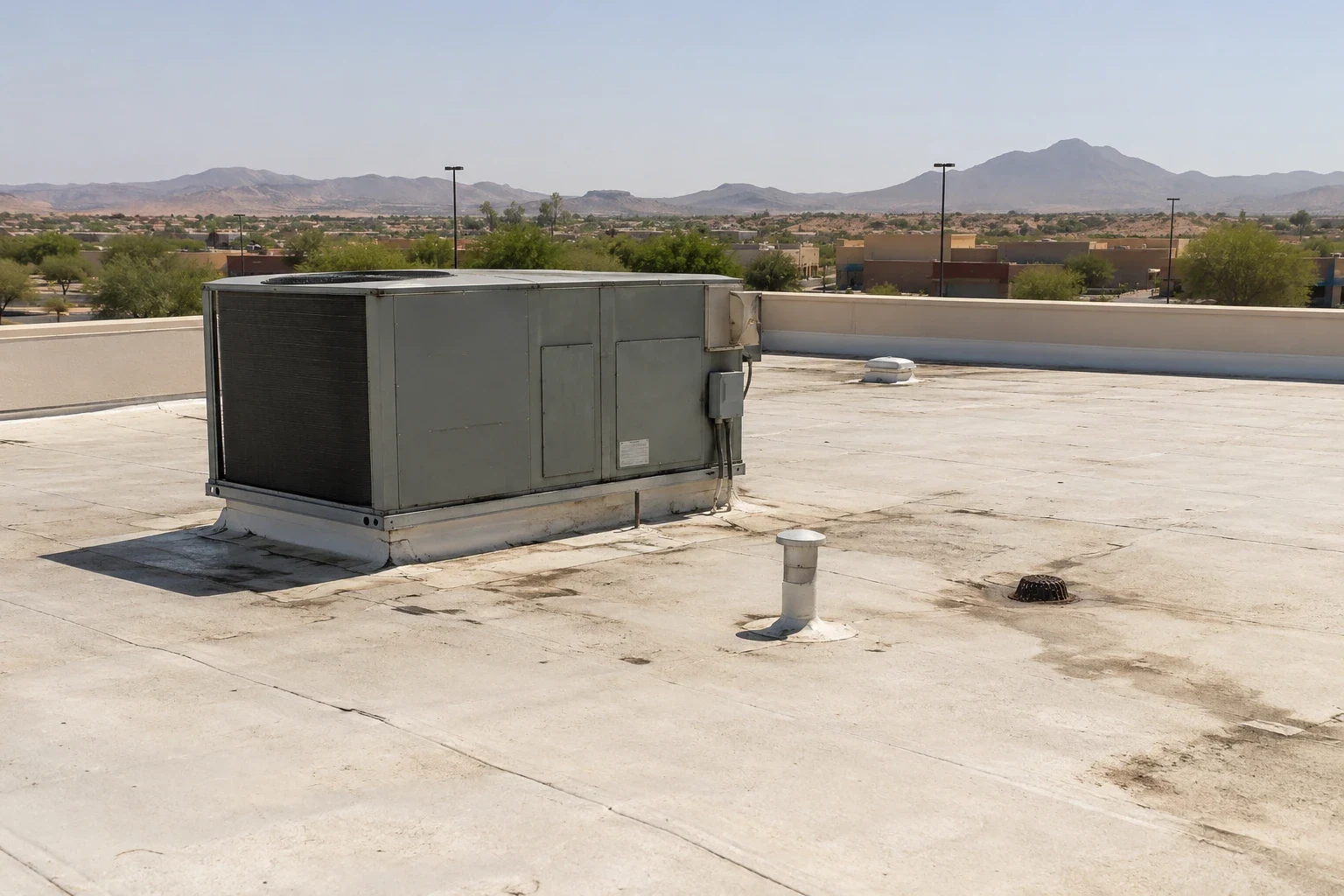
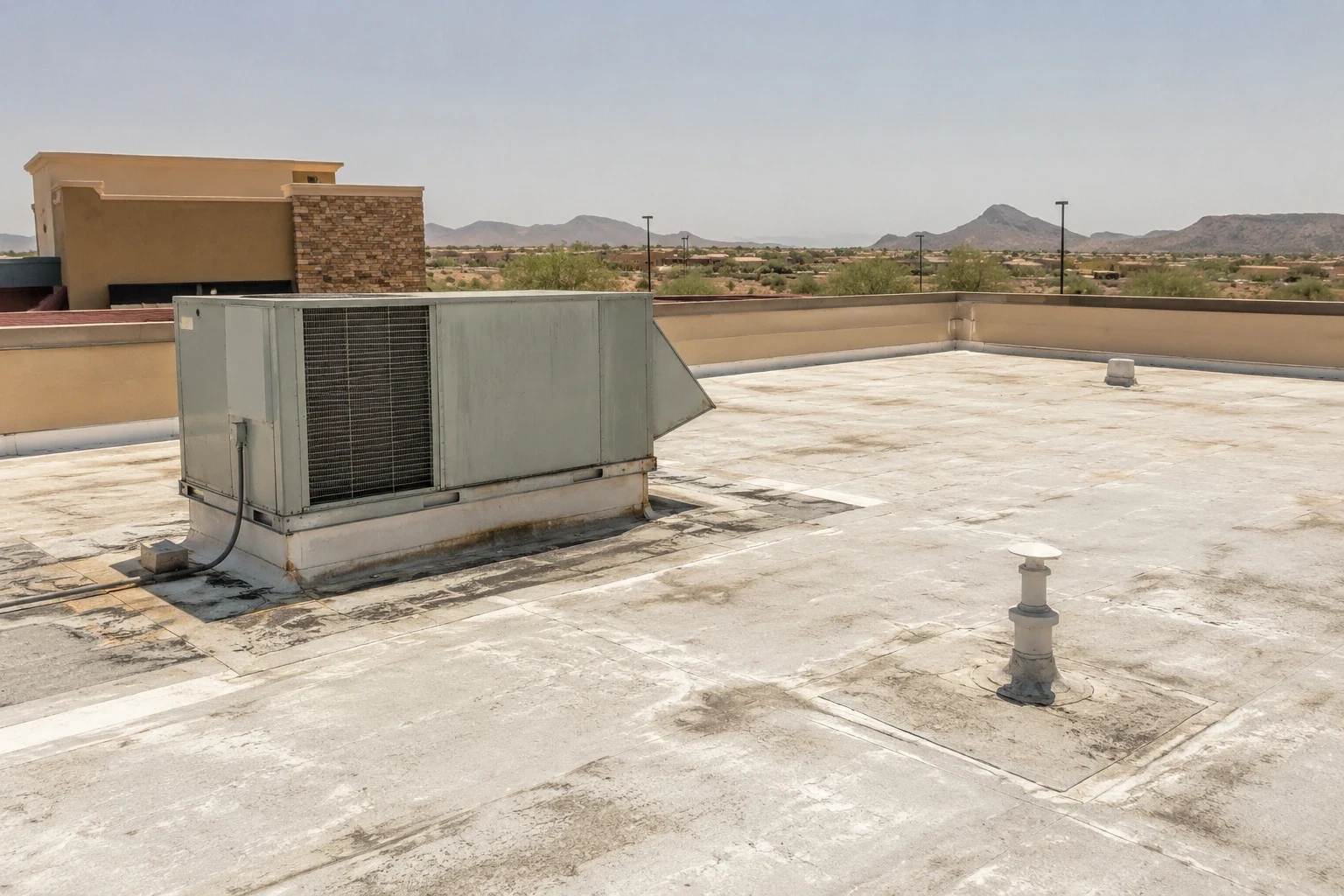
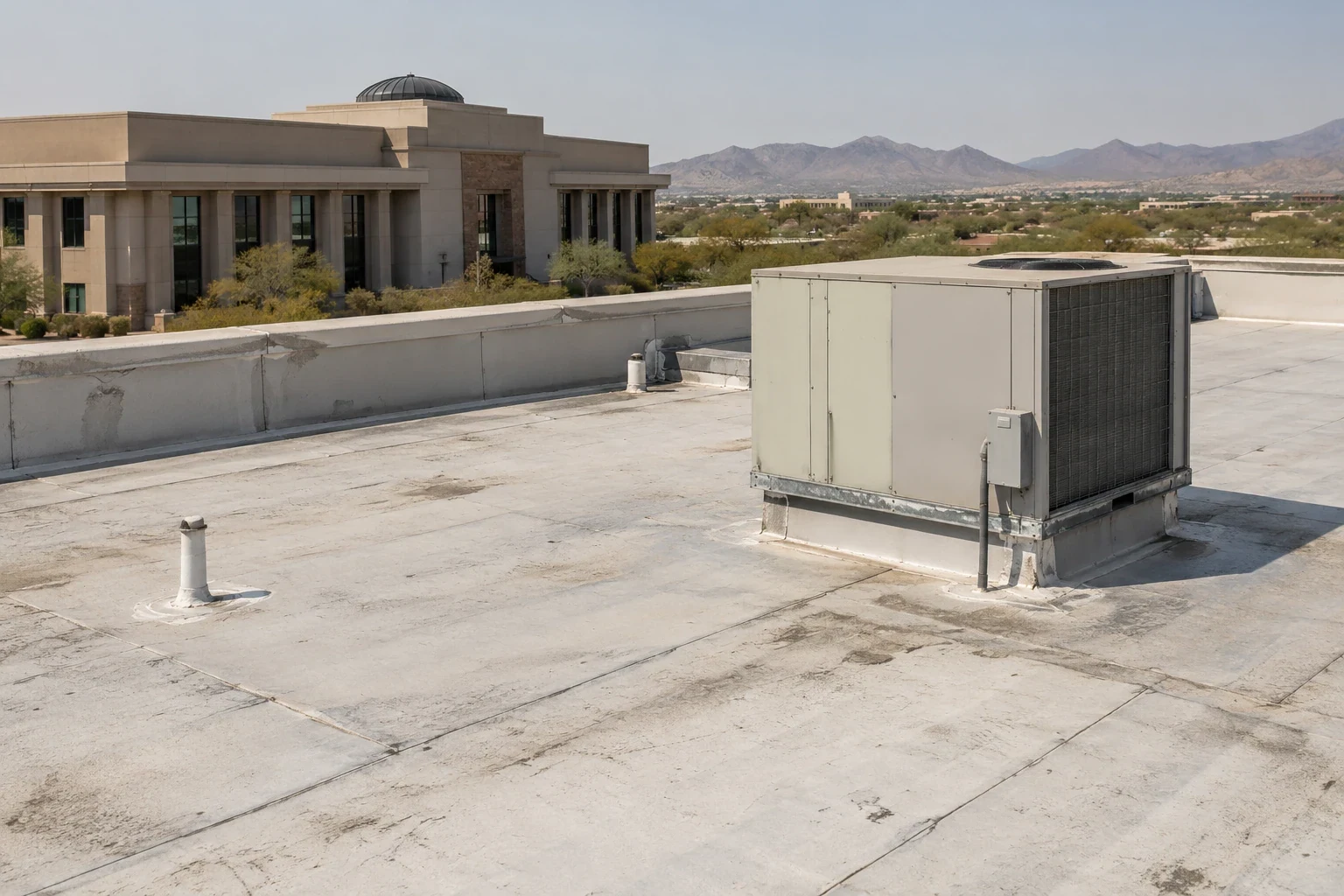
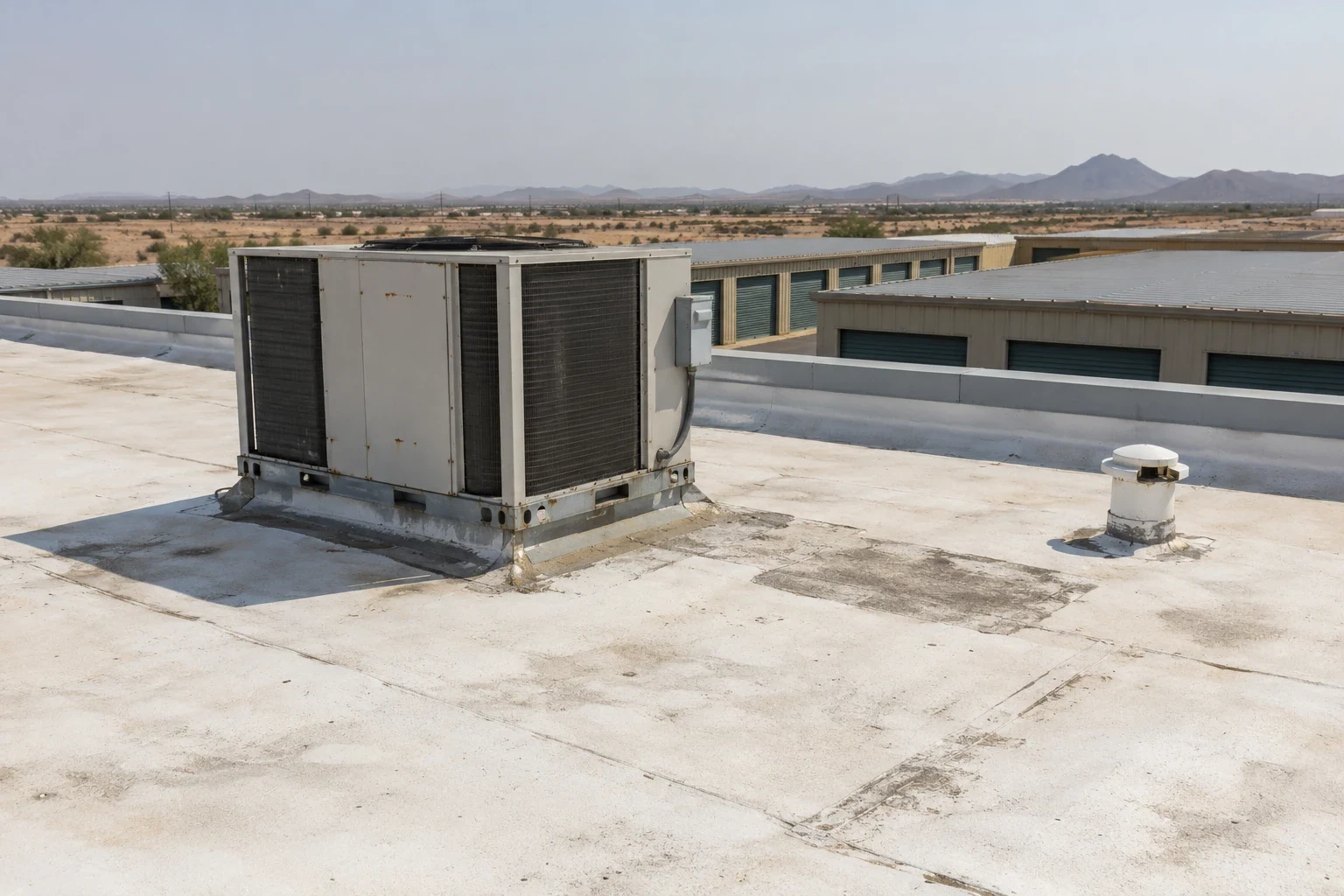
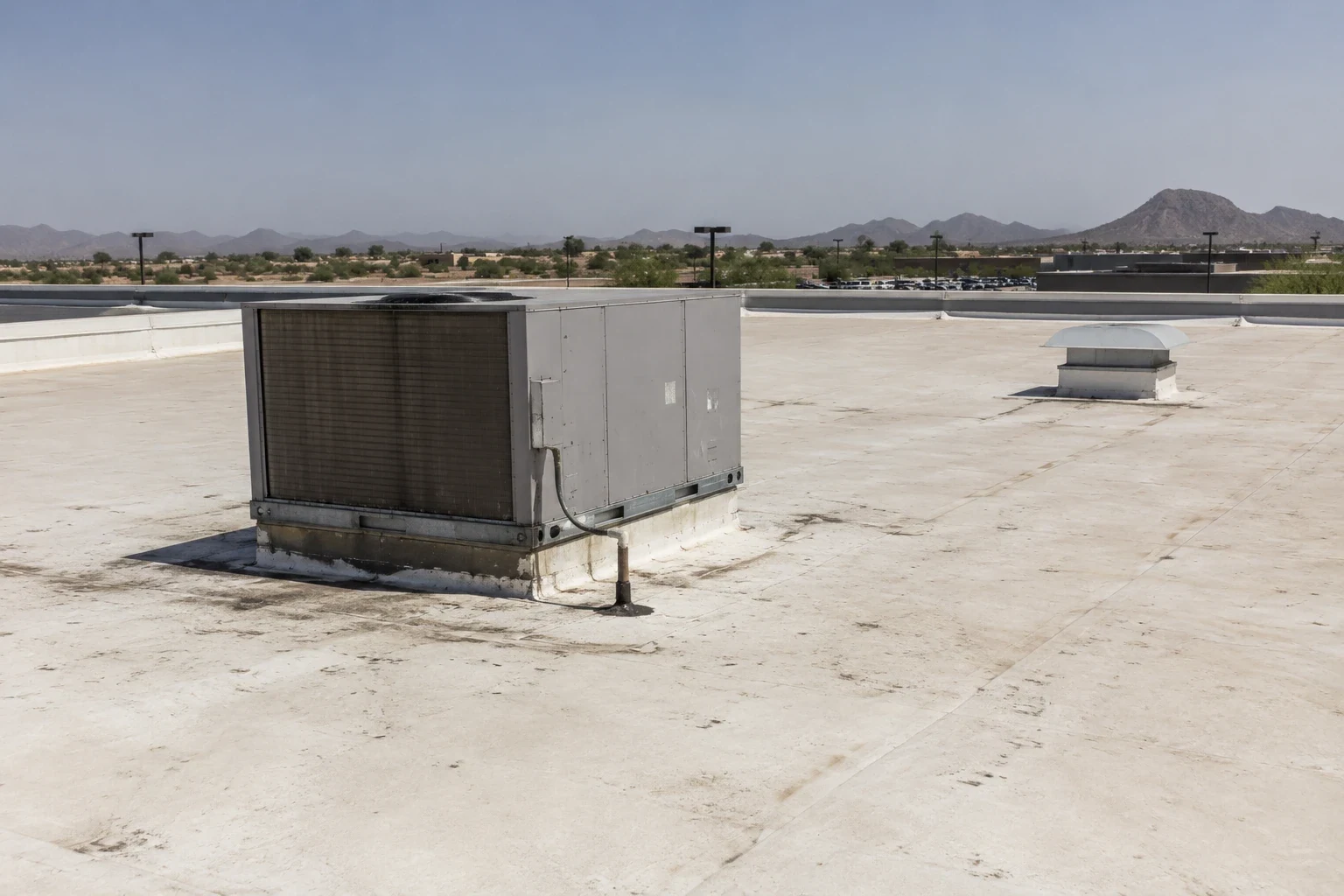
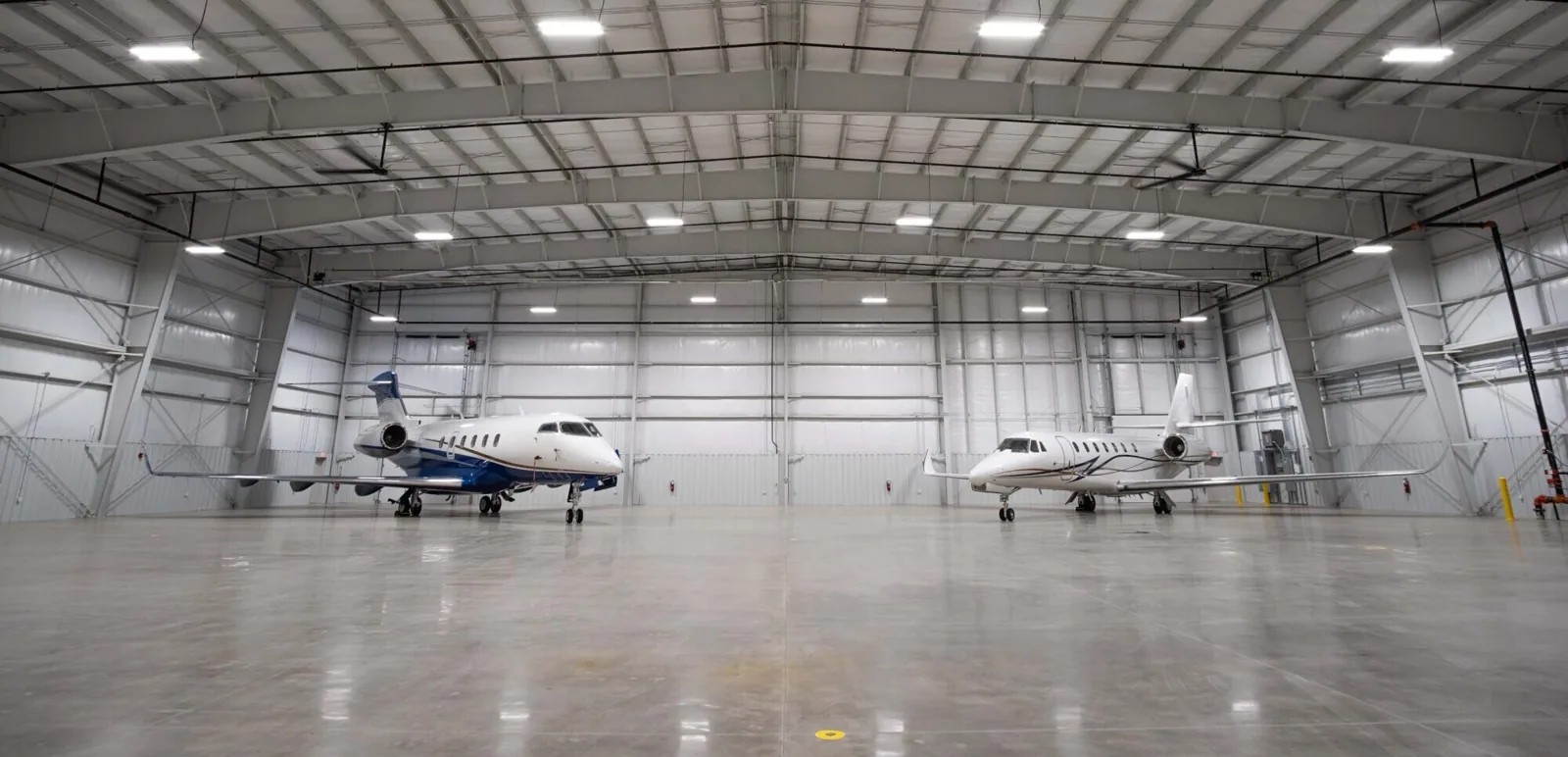
Industrial roofs carry long water paths, many penetrations and rooftop equipment that the operation cannot easily shut down. Warehouse roofing focuses on drains, dock edges and skylights, while manufacturing plant roofing adds process exhaust and chemical exposure. Data center roofing treats any water entry as a continuity risk. Peoria's planning materials describe an employment mix along Loop 303 that includes semiconductor supply chains, aerospace and advanced manufacturing; those are planning goals, not completed buildings, so each site is assessed as built.
Schedule around people in institutional buildings
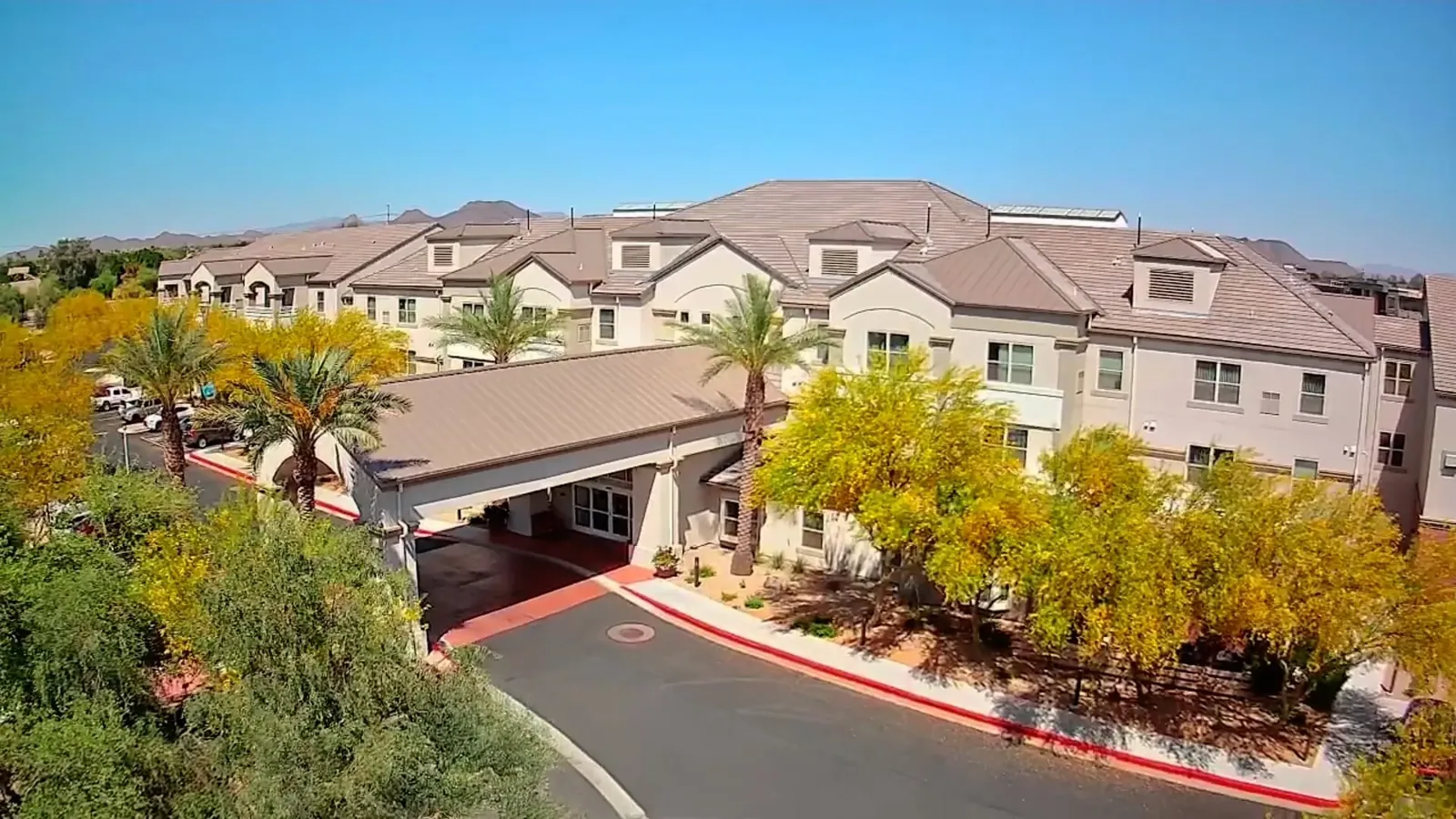
Hospital roofing is sequenced around infection control, air intakes and patient areas. School roofing follows the academic calendar and summer access windows. In both, the roof record and a written work plan matter as much as the membrane, because the building cannot simply close for a repair. We confirm access routes, noise limits, material staging and the dry-in sequence with the facility contact before any crew mobilizes.
Work around customers in retail and hospitality
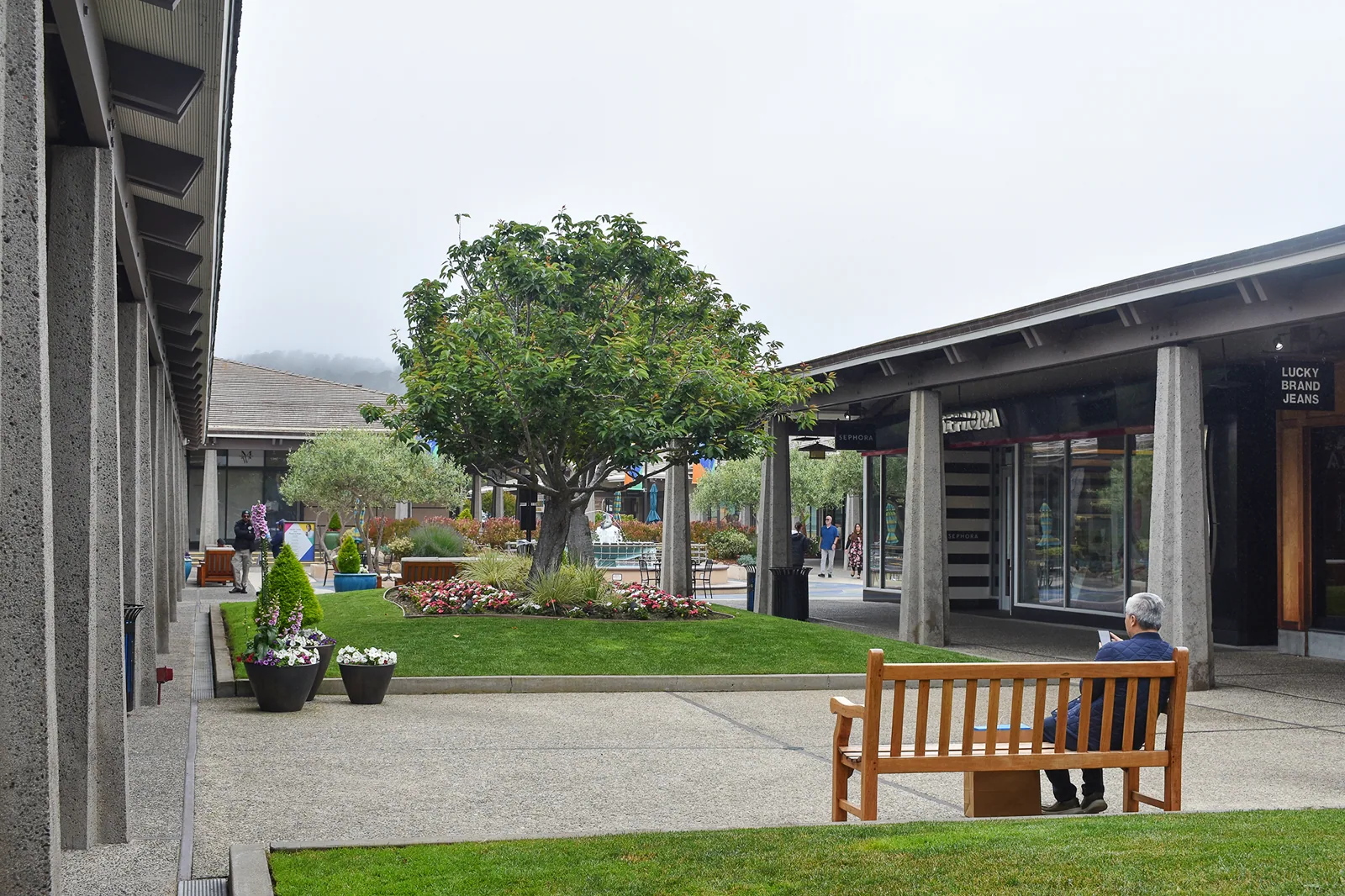
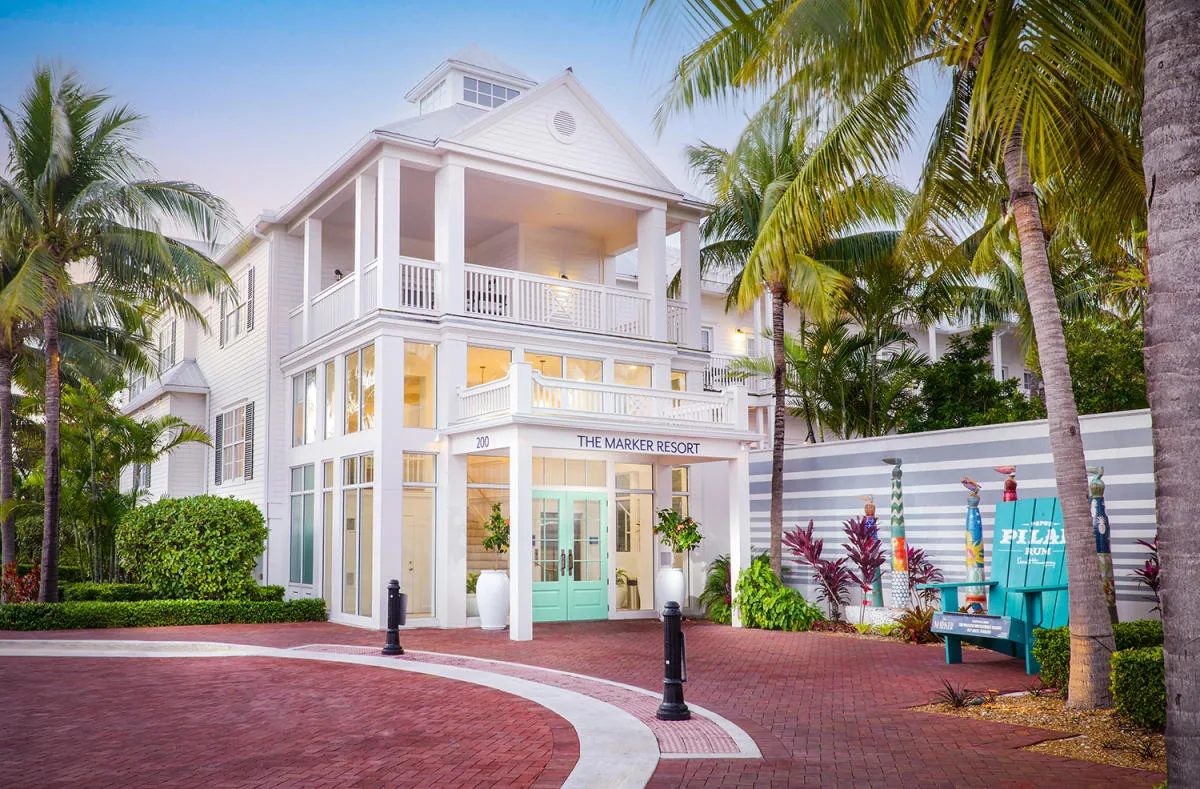
Retail is a large part of Peoria's economy, with Census figures putting 2022 sales near $4.9 billion, and that shapes how many centers and stores share roof work with open doors below. Shopping center roofing and hotel roofing are planned around customers and guests, with attention to entrances, kitchen exhaust and rooftop equipment that serves many tenants. Districts such as P83 mix commercial, entertainment, hospitality and employment uses, so the roof plan starts from the individual building.
Respect access rules at military and government sites
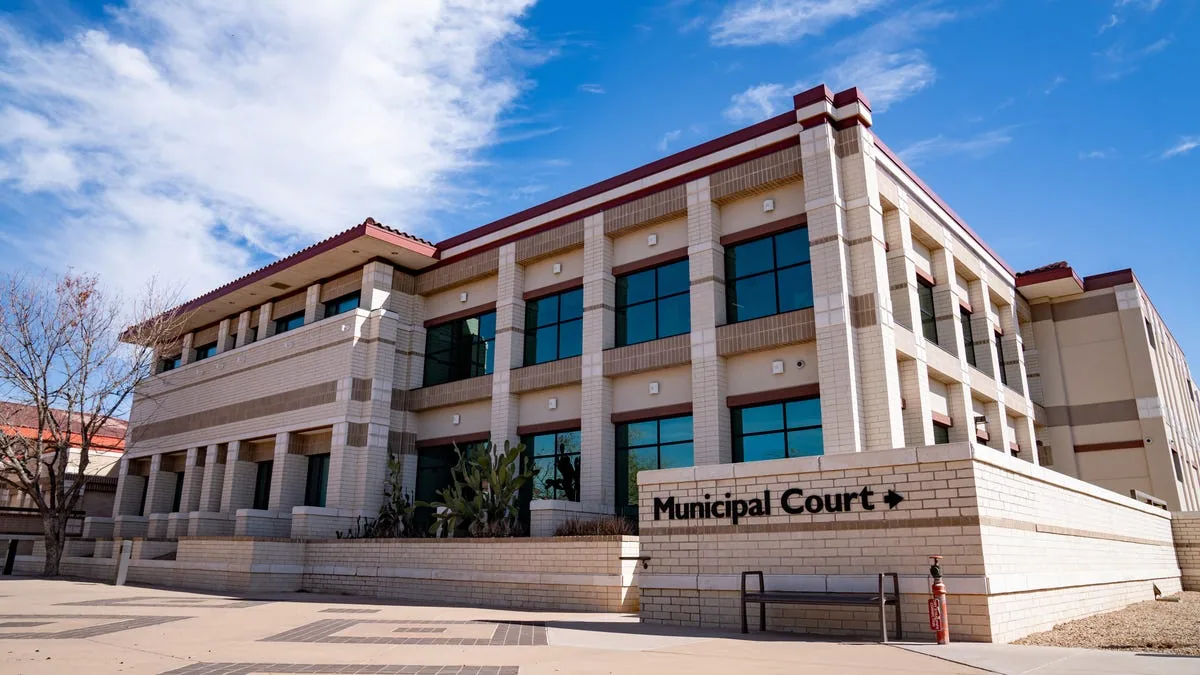
Military and government facilities add base access, escort procedures and mission scheduling. National Guard armory roofing and VA medical center roofing are planned to those rules, using roofing built to the Unified Facilities Criteria where it applies. Luke Air Force Base sits southwest of the city, and work near it follows the same access planning.
Commercial Roofing Questions
Does the building type change the roof system recommendation?
Often. Exposure to grease, chemicals, foot traffic or sensitive operations can favor one membrane over another, so we read the use before the specification. A roof over a commercial kitchen is a different case from one over a storage bay, even on the same property.
How do you handle a building with mixed tenants?
We map each tenant space to its roof zone, agree on access and quiet hours with the building contact, and schedule the noisiest work around the most sensitive tenant.
Can one roof program cover several property types?
Yes. A portfolio owner can compare a warehouse, an office and a retail center in one condition report, with each roof's replacement horizon shown separately.
Do you plan around planned or unbuilt sites?
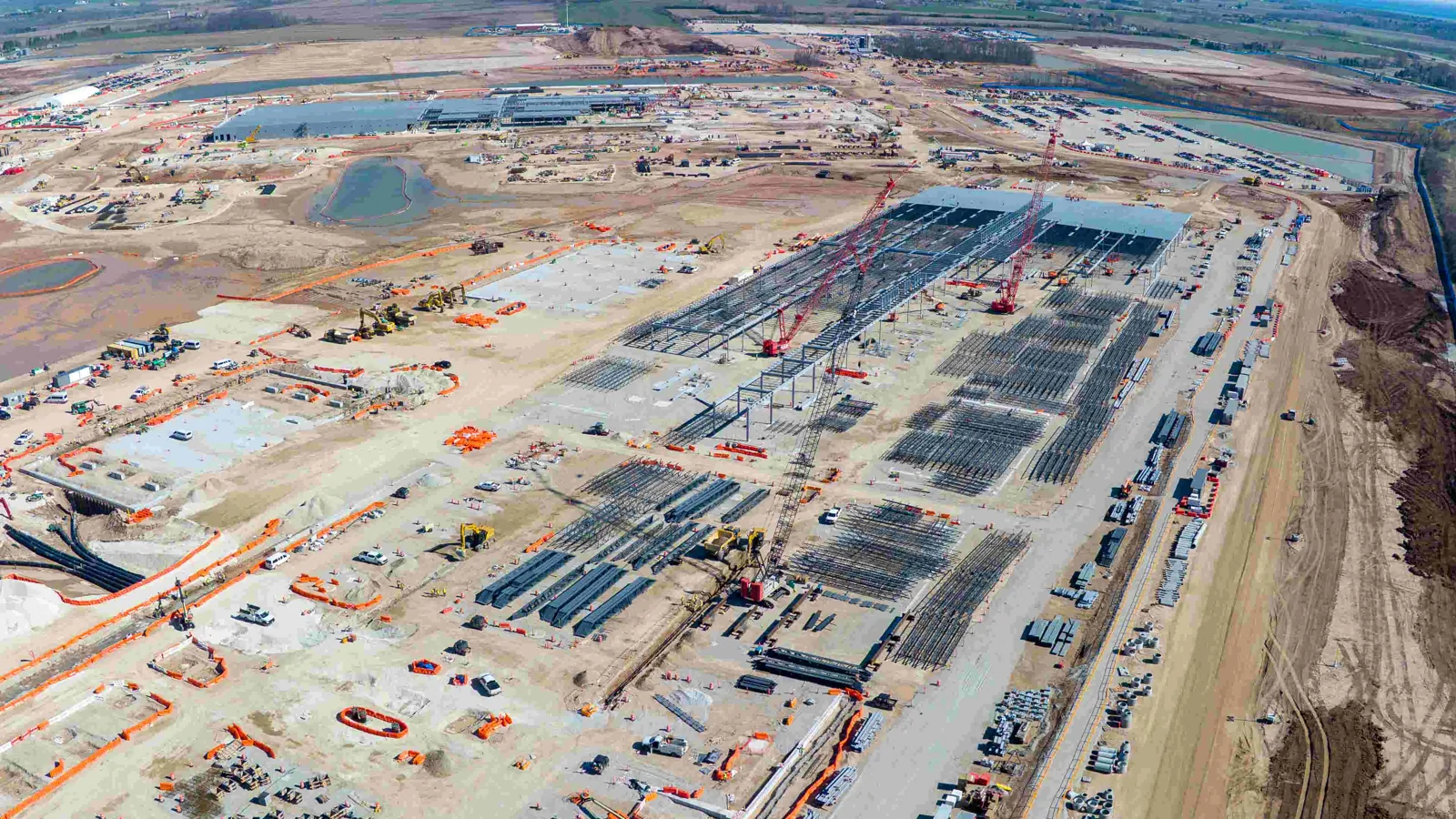
We plan only for buildings that exist. For a site still in planning, the time to discuss drains, penetrations and equipment curbs is before the roof is detailed.