
Commercial Roofing for Logistics and 3PL in Peoria, AZ
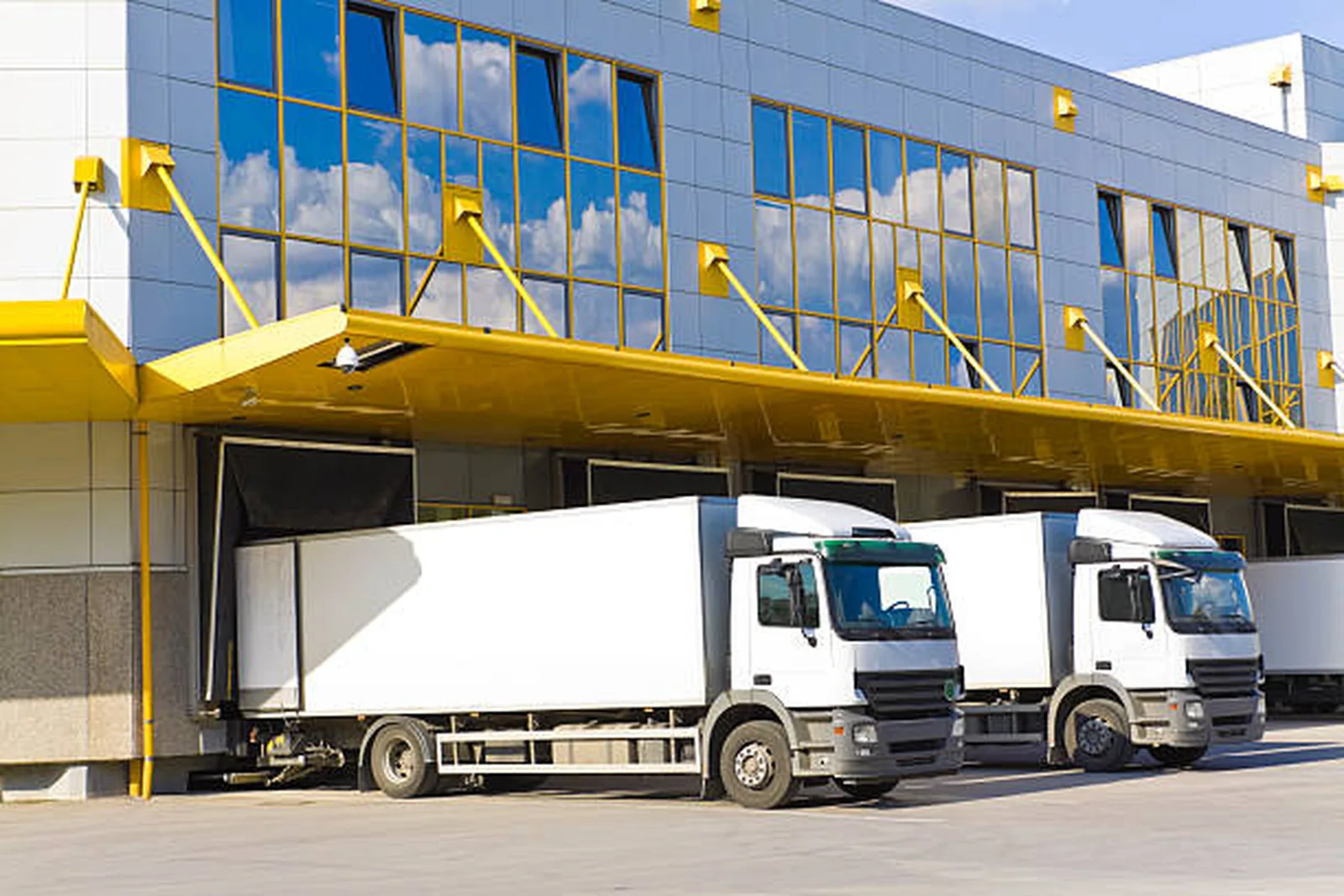
A slow leak above a picking lane can put inventory and a shift plan at risk before it leaves a visible stain. The roof decision starts with finding the entry point and learning how far moisture has traveled. In Peoria, AZ, hot periods stress exposed seams and monsoon storms can bring damaging wind, hail, and heavy rain to the metro. We inspect the assembly, set a repair boundary, and sequence work around dock traffic, inventory moves, and the hours the facility must stay open.
Plan access around the outbound schedule
Warehouse roof work competes with deliveries, trailers, pedestrian routes, and forklift movement. We coordinate roof access, staging, and material lifts with the site contact before the crew arrives. If a drain or curb sits above an active aisle, we identify the affected area and agree on protection below it. The manager can then keep dispatch informed without stopping work across more of the building than the repair requires.
For a replacement, we map a sequence that leaves a secure, watertight roof at the end of each work period. An occupied-building reroof may be phased around receiving peaks or inventory counts when the assembly and weather window allow it. We identify daily work limits, temporary closures, and the next section before opening the first one. That keeps the roof scope tied to the facility’s operating plan.
Follow water above the inventory location
Interior water can travel away from a roof opening along a deck or insulation joint. We check the roof area over the reported location, then inspect nearby seams, roof drains, curbs, and previous patches. If the surface does not show the full moisture boundary, an infrared moisture survey can help target confirmation tests. The repair plan distinguishes wet insulation that needs removal from dry material that can remain.
A single failed penetration with dry insulation nearby may call for a focused roof repair. Repeated leaks along separate seams or moisture spread across multiple areas can move the project into a broader capital scope. With water above inventory or dispatch lanes, start by marking the wet area, noting whether the leak continues, and identifying temporary controls already in place. We report temporary protection and permanent repair separately, so the 3PL operator can assign each action clearly.
Protect goods before selecting the permanent scope
The first decision during a leak is how to keep water away from stock, equipment, and power. We coordinate safe access to the roof, control the opening or failed detail, and notify the site contact if interior protection is needed. The permanent scope follows inspection findings, not the location of the first ceiling mark. Photographs and a roof sketch show where water entered and where it traveled.
That distinction also helps when a customer asks for a damage record. We document affected roof components, the repair boundary, and the steps taken to restore the weather barrier. When a larger claim is appropriate, insurance claim assistance organizes the condition record and repair scope. We do not assign a roof failure to a storm from timing alone; the site findings and prior record matter.
Inspect seams and drainage before storm season
Triple-digit highs recur through the Phoenix summer. For warehouse operators, that schedule context helps prioritize seam, flashing, and repair checks; it does not measure a roof surface. We check the actual membrane for seam separation, hardening, flashing movement, and repairs that have begun to open again. A field condition and test result support the recommendation; climate context helps set the inspection priority.
The summer storm window can bring wind, hail, and concentrated runoff across metro Phoenix. Before that period, we inspect edge metal, drains, overflow routes, and rooftop equipment curbs. After a storm, a storm damage inspection compares current findings with the existing roof record. Our maintenance visits can keep drains clear and record changes before a small opening reaches inventory or dispatch space.
Use the corridor context without assuming a roof type
Peoria recorded $113.954 million in 2022 transportation and warehousing receipts, a citywide signal of logistics activity. It does not describe any one operator’s building or roof. An older Loop 303 land-use table set out industrial/business-park and community-commercial acreage, while the north Peoria plan tracks Loop 303 and Lake Pleasant Parkway toward State Route 74. For facilities near the Loop 303 employment corridor, we review that facility’s roof access, drainage, and dispatch constraints before sequencing work.
North Peoria’s Innovation Core plan includes advanced manufacturing and other employment possibilities, while P83 mixes commercial, hospitality, employment, entertainment, and residential categories. A 3PL handling several owners needs separate roof records for each warehouse, especially where inventory agreements and operating hours differ.
Carry roof history between operators
Logistics buildings can change ownership, operators, tenants, and equipment during one roof’s service life. A good record makes those transitions less dependent on memory. We keep photographs, repair dates, system information where it can be confirmed, open conditions, and the next inspection trigger in a building-level file. The condition report gives the current operator a concise scope; the property owner can carry the underlying findings into its management record.
If the operator plans new refrigeration, solar, or rooftop HVAC equipment, curbs and penetrations should be coordinated with the roofing scope before installation. We identify the roof areas affected and the flashing details that will need inspection after the work. A general contractor coordinating equipment work can use the roof record to schedule protection and tie-in responsibilities. The final recommendation states what is known, what remains open, and who should confirm the next change.
Commercial Roofing Questions
Can roof work be scheduled without closing the distribution floor?
Often, if staging, deliveries, roof access, and daily dry-in can be coordinated with the operation. We agree on the active area and any temporary aisle restrictions before work begins. Weather or concealed conditions may change the sequence, so the facility contact receives an update before the crew moves into another zone.
What should we do when water reaches product or racking?
Protect the affected inventory and notify the site contact, then arrange roof access so the likely entry point can be inspected. We record the interior location and compare it with roof drains, seams, curbs, and prior repairs above it. The repair boundary comes from that inspection, because water can travel before it shows indoors.
How do you tell whether insulation needs replacement?
We use visible conditions and moisture testing to map the affected area. Infrared imaging can identify locations for confirmation, while core samples or a meter reading provide more direct evidence. The scope identifies which material must be removed and which can remain, rather than treating a broad ceiling stain as the full roof boundary.
What makes a warehouse roof replacement more disruptive?
The work area, deck and insulation condition, rooftop equipment, access for material lifts, and the need to keep the building watertight each affect the sequence. We coordinate those items with receiving peaks, inventory moves, and fire or egress routes. A phased plan can reduce the area affected at one time when the roof assembly and weather allow it.
How should a 3PL preserve roof records for a client?
Keep the inspection, photographs, repair scope, dates, and open items tied to the building and roof area. Share the agreed record with the property owner and note which party authorizes future work. That file helps the next operator distinguish an old condition from a new leak and avoids repeating tests without a reason.