Commercial Roof Inspection in Peoria, AZ
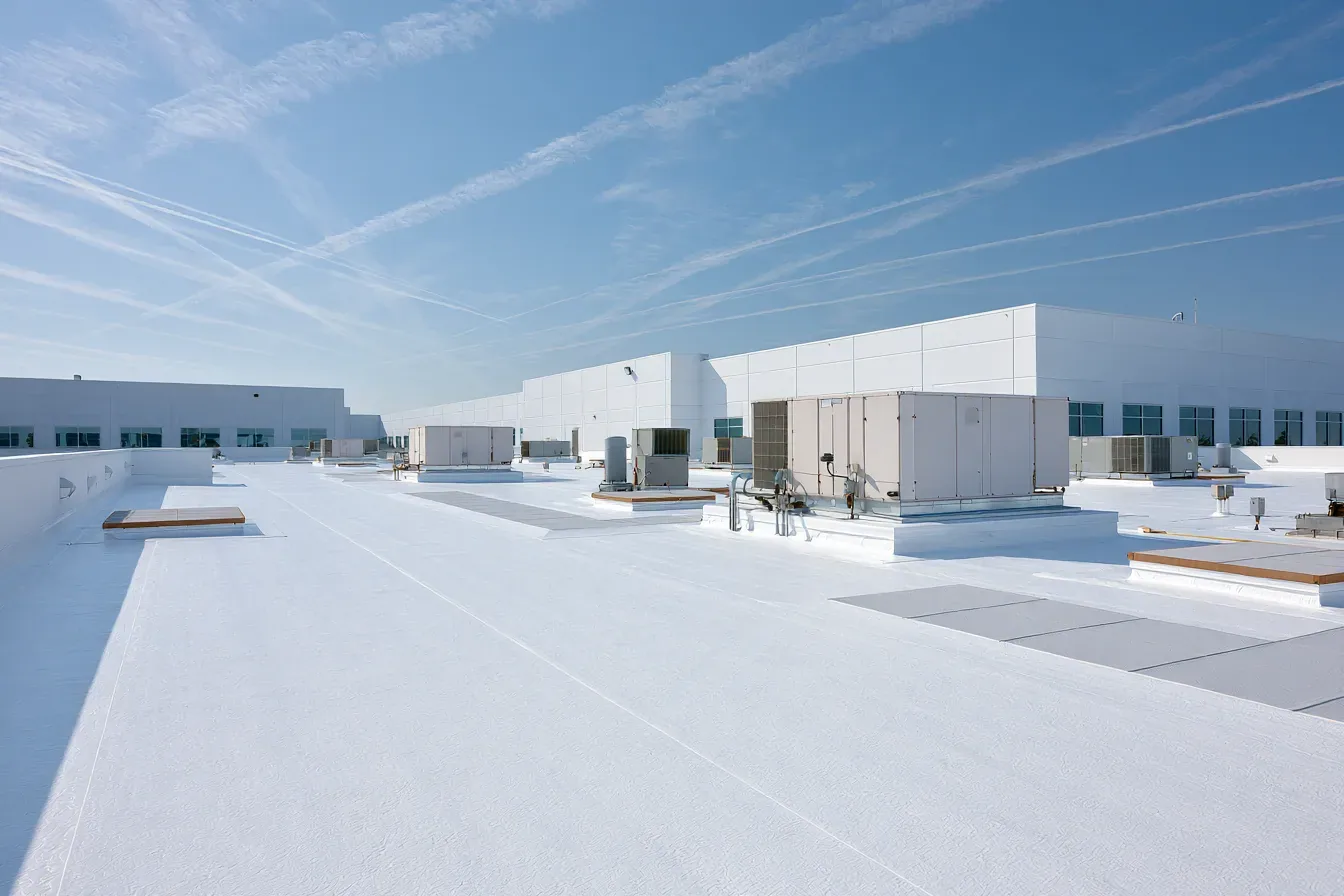
Capital planning gets unreliable when the roof file says only that someone looked. In Peoria, AZ, heat, UV exposure, and monsoon storms can change the condition at seams, edges, drains, and equipment transitions between visits. We perform a hands-on inspection, connect observations to the building’s leak and repair history, and record which items need repair, testing, or continued monitoring. The result gives the owner a roof-area view rather than a vague pass or fail. For a portfolio near Peoria’s planned Loop 303 employment corridor, that distinction can help sequence work across buildings without assuming their assemblies match.
Inspect the roof details that control exposure
We walk accessible areas and examine membrane seams, flashings, perimeter metal, penetrations, curbs, supports, drains, scuppers, and visible coating conditions. We look for open laps, splits, punctures, loose edges, ponding, displaced components, and evidence of prior repairs. When a condition appears in multiple sections, we note its pattern and extent. We also identify access restrictions or areas that could not be safely reached. Those limits stay visible in the record so the owner knows whether a follow-up test is needed before authorizing a repair or replacement.
Peoria’s Loop 303 plan allocates substantial acreage to business or industrial and community commercial uses in its planning snapshot. Such a corridor may include varied building operations, but its designation does not tell us the roof system or condition of a given property. We inspect each assembly on its own. If equipment density makes a roof area difficult to assess from a standard walk, we can recommend a drone view for selected elevations and transitions, with hands-on verification where a close examination is needed.
Turn observations into a condition record
Each finding should say where it is, what we observed, and why it matters to the roof decision. We include photographs tied to roof areas, describe visible defects, and separate confirmed conditions from suspected moisture. A repair recommendation identifies the detail to correct and any surrounding material that needs preparation. A monitoring item names what should be checked again and when that check would change the plan. This structure helps an owner compare records between visits without mistaking repeated wording for repeated roof conditions.
For wet-insulation concerns, visual review alone may not settle the question. We can compare thermal patterns, moisture readings, and selective core cuts where the result affects scope. The inspection notes the test method and its limits. A moisture survey may then define the area for repair, recover, or removal. If the immediate concern is a known opening, our leak tracing can supplement the broader condition review.
Read Peoria exposure without overstating it
Regional climate context helps set inspection timing, but it does not diagnose a roof. NWS Phoenix records an October 2010 hail event across the Phoenix Metropolitan Area, while monsoon guidance describes hail, damaging winds, and flash flooding as possible regional impacts. We use that information to consider exposed surfaces and perimeter details, then report only what we see on the building. If recent hail is part of the owner’s concern, we distinguish cosmetic marking from a puncture, seam change, or moisture condition that affects performance.
The Peoria Innovation Core planning area follows Loop 303 and Lake Pleasant Parkway toward State Route 74 and includes planned employment and commercial uses. Near Camino a Lago, the adopted plan identifies a commercial core within a broader north Peoria planning area. These place facts provide context for building use and access planning, not a substitute for an inspection. We confirm the property’s current operations and roof layout before deciding which sections need a closer look or a controlled test.
Rank findings by consequence and timing
We separate active leaks and safety concerns from defects that can be scheduled, then identify conditions that warrant a broader capital decision. An open seam over an occupied area may need prompt correction. A stable coating with isolated wear may instead call for a planned maintenance visit. Repeated moisture in separate roof zones or deterioration at multiple transitions can justify testing or a replacement comparison. The recommendation names the next action and its reason, so a facilities manager can request authorization without translating a list of photographs into scope.
Peoria adopts the 2018 International Building Code as amended by municipal ordinance. The local code also applies the International Energy Conservation Code, and the adopted edition is something we confirm with the permitting office for each job. We identify code questions for the design or permitting team rather than assume a particular upgrade requirement. Where repair is appropriate, the scope may include defined membrane work and drainage corrections. If the evidence supports replacement, we can map the work into a capital window.
Make inspection coverage clear
We record the sections walked, access method, weather conditions, and any area blocked by equipment, locked hatches, unsafe edges, or active operations. The owner can then decide whether a second visit or other access method will close a meaningful gap. On larger roofs, we plan a route that covers the perimeter, field, drainage points, and equipment clusters without turning a short visual pass into a claim about every concealed layer.
At P83, entertainment and hospitality uses make timing and customer access relevant; at the broader Loop 303 corridor, loading and industrial operations may set a different window. We make those arrangements with the property contact rather than assume the district’s activity represents each building. For properties in Peoria and Surprise, the same inspection method can produce comparable records while preserving each roof’s specific details.
Use the report to choose the next move
The report should support an owner decision, not replace it with a condition label. We show which findings are urgent, which are repairable, and which need more testing. Where a roof has a usable service life remaining, targeted maintenance may protect that window. Where the pattern suggests repeated failure or widespread moisture, the report can support a phased replacement discussion. We include the assumptions that matter, such as concealed deck condition or incomplete access, so the recommendation can be revisited when new evidence becomes available.
Peoria’s downtown zoning supports a compact mix of civic, historic, residential, commercial, and employment uses. For an owner with buildings in different parts of the city, the report can connect observed details to access schedules, tenant needs, and future capital timing. We keep the photo file, roof-area map, and follow-up list together so a later visit can compare changes without starting from memory. A useful inspection closes with a next action, a responsible contact, and the condition that would change the plan.
Commercial Roofing Questions
Will an inspection tell us exactly how long the roof will last?
No single walk predicts an exact remaining life. We report current conditions, repair history, moisture findings, and factors that may shorten or extend the planning window. Where concealed layers remain uncertain, we identify testing that would improve the decision. That gives the owner a defensible range of choices instead of false precision.
Can you inspect a roof without interrupting the building?
Often, yes. We coordinate access, protect paths below, and keep clear of equipment or areas that must remain in service. Some conditions require a shutdown or restricted zone, and we identify that before entering the area. The inspection route should fit both the roof and the building schedule.
What does the report include?
We organize photos and findings by roof area, note access limits, describe visible conditions, and assign practical next steps. A repair item states what needs correction. A monitoring item explains what to recheck. If moisture or concealed deck condition remains uncertain, the report names the test or access needed to resolve it.
Do you inspect after hail or monsoon wind?
We can inspect when roof and weather conditions make access safe. Regional weather history helps frame the exposure, but the report is based on the actual membrane, metal, penetrations, and interior observations. We separate visible marks from confirmed functional damage and note whether additional testing is justified.
How should multiple roofs be compared?
Use a consistent roof-area map and describe each building’s system, current findings, repair history, and follow-up priority. We keep the comparison specific to each assembly. A portfolio view can then align repair work with budgets without assuming that every property has the same condition or replacement horizon.