
Commercial Roofing in the North Peoria Gateway, Peoria, AZ
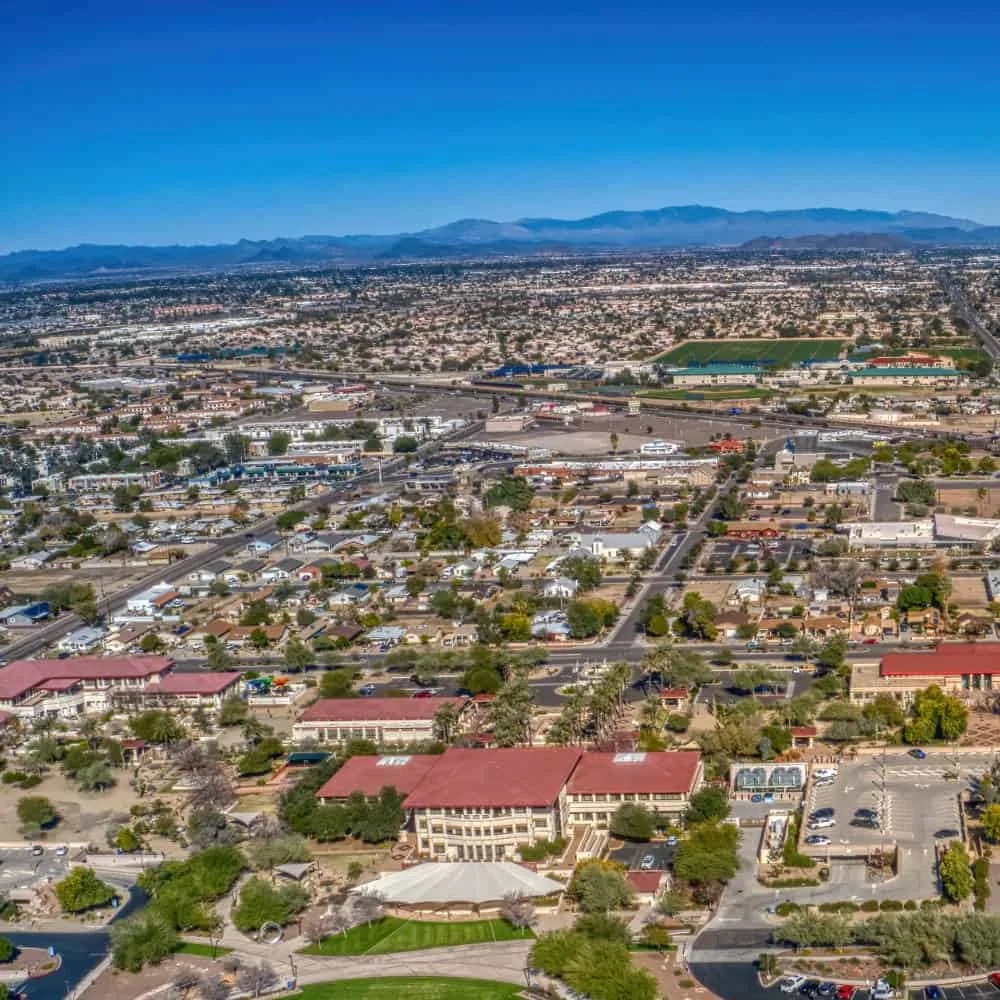
Timing is the hard variable in a roof for a growth area. Peoria planning materials describe the North Peoria Gateway as a 1,620-acre mixed-use planned community district south of Lone Mountain Parkway on both sides of Loop 303, extending toward the Calle Lejos alignment, and the city later called it an entitled growth area whose pace depends on market conditions and state-land auctions. A roof installed early can sit through a long shell period before tenants arrive, so the decision is not only which membrane to use but how the roof will be protected, inspected and recorded until the building is in full use. We plan that sequence for mixed-use owners in Peoria, AZ and keep a roof warranty file that matches what was actually installed.
Match each roof to the use beneath it
A mixed-use district brings several roof conditions together. Apartment buildings tend to carry parapets, balcony and stair transitions, and roof-mounted plumbing vents. Retail pads add canopies, storefront returns and scuppers. Office and medical suites bring rooftop units with tight service clearances. The plan describes the Gateway as a mixed-use district, but it does not say which of these will occupy a given parcel, so we begin each project by confirming what the building above and below actually is.
Once the use is clear, the scope follows, and so does the order of work. Apartment roofs often have to be dried in early because finished units sit directly beneath them, while a retail shell may carry its membrane for a long stretch before tenant improvements begin. We look at where water leaves the roof, how many curbs and penetrations interrupt the field, and which transitions between roof levels will move the most. A multifamily roof and a commercial office roof can share a membrane and still need different flashing details and different access plans.
Protect the roof through phased construction
When a district builds out in phases, roofs often finish before the trades beneath them do. Foot traffic from mechanical, electrical and finish crews is the quiet cause of membrane damage on young roofs: dropped tools, dragged equipment and unprotected walking routes leave punctures and abrasions that look minor and later become leaks. We recommend walkway pads or protection boards along service routes, and we photograph the roof before and after the interior trades finish.
That record lets an owner decide whether a mark came from installation, trade traffic or weather. A short roof inspection before turnover costs little against a first-year leak claim that nobody can attribute. Where punctures turn up, a prompt membrane puncture repair while the warranty is fresh keeps the file clean.
Plan for Valley heat on a roof with no shade
Open ground along a freeway corridor gives a roof full sun exposure. Phoenix counts about 94 days each year when the thermometer reaches 100 degrees Fahrenheit; that speaks to regional air and says nothing about the temperature of a specific roof here. The mechanism still matters: repeated heating and cooling move membrane, edge metal and sealant, and the details that cannot move freely fail first.
We check perimeter metal for fastener backout and open joints, penetrations for split sealant, and seams for lifting. A reflective surface can lower the load on a membrane, and a cool roof finish is worth pricing when the building will have a large conditioned area below. We treat the energy question as a roof-condition question first, since reflectance only helps a membrane that is intact and draining, because a reflective surface on a roof with failing drains is the wrong place to spend the budget.
Size the drainage response to monsoon bursts
Monsoon thunderstorms in Arizona are known for microbursts and damaging wind, along with flash flooding and hail. For a roof, a short burst of heavy rain is a drainage test. We check that each drain bowl has a clear strainer, that scuppers are open, and that an overflow path exists where the primary drain could clog. Flat areas where water lingers after rain are marked and measured, then compared with the slope plan.
Large hail from the supercells of October 5, 2010 caused extensive damage across the metro, which is why we also note the impact resistance of the surface and the cover board beneath. Attention to roof drains and scuppers is the cheapest way to protect a young roof, and it is the item most often left until after the first storm. On a new roof we also test the drain bodies for movement, because a bowl that settles under the membrane can create a low spot within the first year. Finding that early means a small adjustment instead of a slope correction.
Document the roof for the owner who comes next
A growth district changes hands as parcels sell, and each buyer inherits whatever the roof file shows. We assemble photographs, the membrane type, penetration and curb locations and the maintenance log into one record that stays with the building. If solar is planned, the same file shows where supports can land, which is the reasoning behind solar-ready roofing.
Owners with holdings in more than one planning area can use the same format across them. The Loop 303 employment corridor and the Peoria Innovation Core sit along the same freeway, and a single record format lets a portfolio view compare roofs by age, exposure and repair history.
Commercial Roofing Questions
How should a roof be protected if a building sits unfinished for months?
Keep water paths open, install protection boards along every service route, and schedule a walk before turnover, since a roof that stays untouched can still collect windblown debris and clog its drains. We look for ponding, debris in drains and punctures from trade traffic. A dated photograph set taken at completion and again before occupancy tells you what changed while the building was idle, and it supports any warranty discussion that follows.
What roof details differ between apartment and retail buildings in a mixed-use district?
Apartments lean on parapet flashing, stair and balcony transitions and plumbing vents, so water usually enters at wall terminations. Retail adds canopies, scuppers and storefront returns where runoff meets pedestrians. Each use gets its own checklist from us, and we adjust the maintenance interval to match the number of roof penetrations and the traffic below.
Does an entitled but unbuilt area change what I should budget for a roof?
It changes the timing more than the content. The city ties development pace to market conditions and state-land auctions, so a roof budget should include a contingency for delayed occupancy and a plan for interim inspections. We help set a capital window around when the building is expected to carry tenants and which roof components must be sound by then.
When is a cool roof worth pricing for a new building?
Price it when the building will have a large cooled interior and the roof will face full sun. We compare reflective membranes and coatings against the cost of the base system, check that drainage works, and confirm the surface suits the foot traffic planned for service. If the roof is already carrying defects, repair comes before any surface treatment.
What paperwork should I collect at turnover?
Collect the membrane specification, the installer's closeout documents, the warranty terms and any inspection report. Add a drain and curb map and photographs. We review the package against the roof itself and flag gaps, such as a curb that was added after the plan or a flashing that does not match the specified detail.