
Manufacturing Plant Roofing in Peoria, AZ
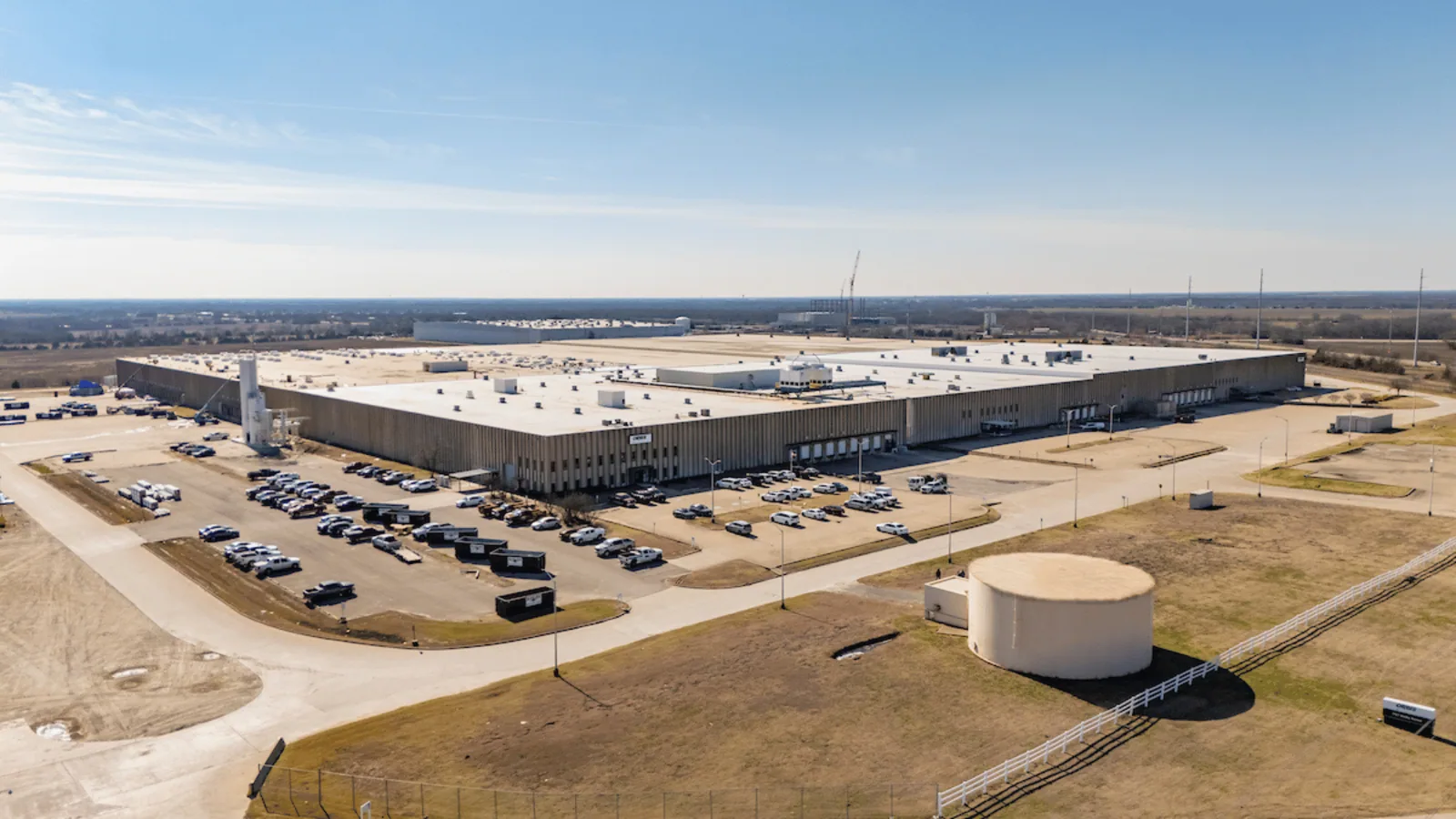
Process exhaust on a plant roof can corrode flashing and soften a membrane well before the roof reaches its expected age. The ceiling below may stay dry for years while the surface around a stack or fume duct quietly degrades, and the first sign is often a failed repair rather than a leak. In Peoria, AZ, the city's north planning area is described as supporting semiconductor and microelectronics supply chains, aerospace and defense, and advanced manufacturing. Those are plans for growth, not a count of finished buildings, but they tell owners that roof records and capital timing will matter across changing portfolios. We begin with what the exhaust leaves behind and what the roof history shows.
Identify what the exhaust leaves behind
Different processes leave different residues. Oils and solvents soften some single-ply sheets. Acid vapors attack metal flashings and fasteners. Fine particulates collect in valleys and hold moisture against seams. We walk the area around each stack, fan and duct, photograph staining and test the surface by touch and by probe.
The goal is to separate chemical damage from age and weather. A membrane that is soft only within a few feet of a discharge point is a chemical problem and calls for a different material or a protective detail, not a general replacement. We ask the plant engineer what the process emits and when it changes, since a new line can alter the roof's exposure overnight.
Water on the roof can carry residue to places it was never meant to reach. Rain that washes a discharge area can drain toward a different outlet, and the staining pattern after a storm often shows exactly where the exposure goes. We follow that path and note which drains see the most contamination.
Match the membrane to the chemistry and the heat
Not every system tolerates every exposure. PVC is often chosen where grease or chemical exposure is a concern, and KEE-based sheets are formulated for better resistance to oils and certain chemicals. Other materials may be fine for a clean roof and a poor choice near a discharge.
Heat adds its own factor. Phoenix summers keep the air above 100 degrees for months, and the roof surface is hotter. Dark surfaces near hot exhaust see greater movement and stress, so the specification considers both. Compatibility, seam method and flashing detail are written into the scope, and any product questions go to the manufacturer's published data before work begins.
A protective detail can be as simple as a replaceable wear pad or a sloped shield under a discharge. These cost little compared with a membrane section and can be changed at each maintenance visit, which keeps the surrounding roof out of the exposure.
Protect equipment lines, utilities and product during work
A plant roof carries more than a membrane. It carries ductwork, conduit, piping, cooling equipment and sometimes process lines that cannot be shut down casually. Before any tear-off we mark each line, confirm what can be moved and plan temporary supports where equipment must stay in service.
Curb and support work is coordinated with the mechanical trade. A curb and support rebuild is sequenced so the new flashing is complete before the unit is reset. Where the interior holds sensitive product or equipment, we protect it with temporary coverings and keep the open roof small. Dust and debris control is part of the plan, since particles that fall into a clean area can cost more than the roof work.
Cranes and lifts need ground that can carry them, and roof edges near live process equipment need special care. We confirm lift positions, overhead clearances and exclusion zones during the planning walk, then write them on the site sketch.
Coordinate shutdown windows and permit-to-work rules
Plants run on production calendars, maintenance outages and safety rules. Roof work may need hot-work permits, lockout procedures, escort rules and fall protection that match the plant's own system. We ask for these early and write them into the schedule, so the crew does not wait at the gate.
Planned shutdowns are the best time for work above critical lines. When a shutdown is short, we pre-stage materials, divide the roof into sections and prepare the details that can be built ahead of time. Peoria's Loop 303 employment corridor plan studied roughly 18,300 acres for employment growth, and whatever is built there, the permit-to-work rules of each site are set by the site.
Insurance and safety teams often have their own checklists for contractors. Giving them the roof plan, the hot-work method and the fall protection arrangement before the first day usually removes delays, and it gives plant staff a single reference.
Test the deck and loads before adding weight
New equipment, a new recover layer or added insulation all change the load on the deck and structure. Before adding weight we confirm the deck type, its condition and the capacity shown on the drawings. Where drawings are missing, an engineer may need to review the framing.
The Peoria Innovation Core is a planning area, not finished building stock. For any plant in the city, the code in force is the 2018 International Building Code as amended by Peoria. We confirm the permit scope with the city for each project. A roof recover is considered only when the deck and insulation are sound and the added load is acceptable.
Drainage must be checked at the same time. Added weight on a deck that already ponds can make the problem worse, so slope correction and drain placement go into the same review as load capacity.
Record the roof for engineers, insurers and the next owner
A manufacturing owner answers to engineers, insurers and sometimes customers who audit the facility. A roof record that includes drawings, exposures, repair history and moisture survey results supports each of them. It also helps when a plant is sold or leased. Pairing it with a data center or warehouse record lets an owner of mixed sites compare roofs on the same footing.
Records also help during audits. A dated condition report, with photographs of exhaust areas and repair locations, answers most questions an inspector or customer would ask about the building envelope.
Commercial Roofing Questions
Which membrane should be used near process exhaust that contains oils or solvents?
Start with the exposure, not the brand. Systems formulated for oil and chemical resistance, such as KEE-based sheets and some PVC products, are common choices, but the final selection depends on what the plant emits and at what temperature. We review the exhaust data and the manufacturer's resistance information before specifying.
Can roof work proceed without shutting down production?
Often yes, if the work is sectioned and the interior is protected. Some activities, such as work directly above sensitive lines, may need a planned outage. We map those areas early and schedule them for the shutdown windows the plant already has.
What should be known about the deck before a recover is considered?
The deck type, its condition, its load capacity and the moisture in the insulation. A recover adds weight and traps whatever lies beneath. If any of those factors is uncertain, cores and an engineering review settle it before the decision.
How does a new production line change roof planning?
New lines add penetrations, exhaust and loads, and they can change the chemical exposure of nearby roof areas. We update the roof record when equipment changes, so the repair and replacement plan reflects the building as it operates now.
Who should hold the roof records for a plant?
Facilities or engineering, with a copy for risk management. Records should include the specification, exposures, repair log and survey results. Keeping one owner of the file prevents gaps when staff change.