
Hotel Roofing in Peoria, AZ
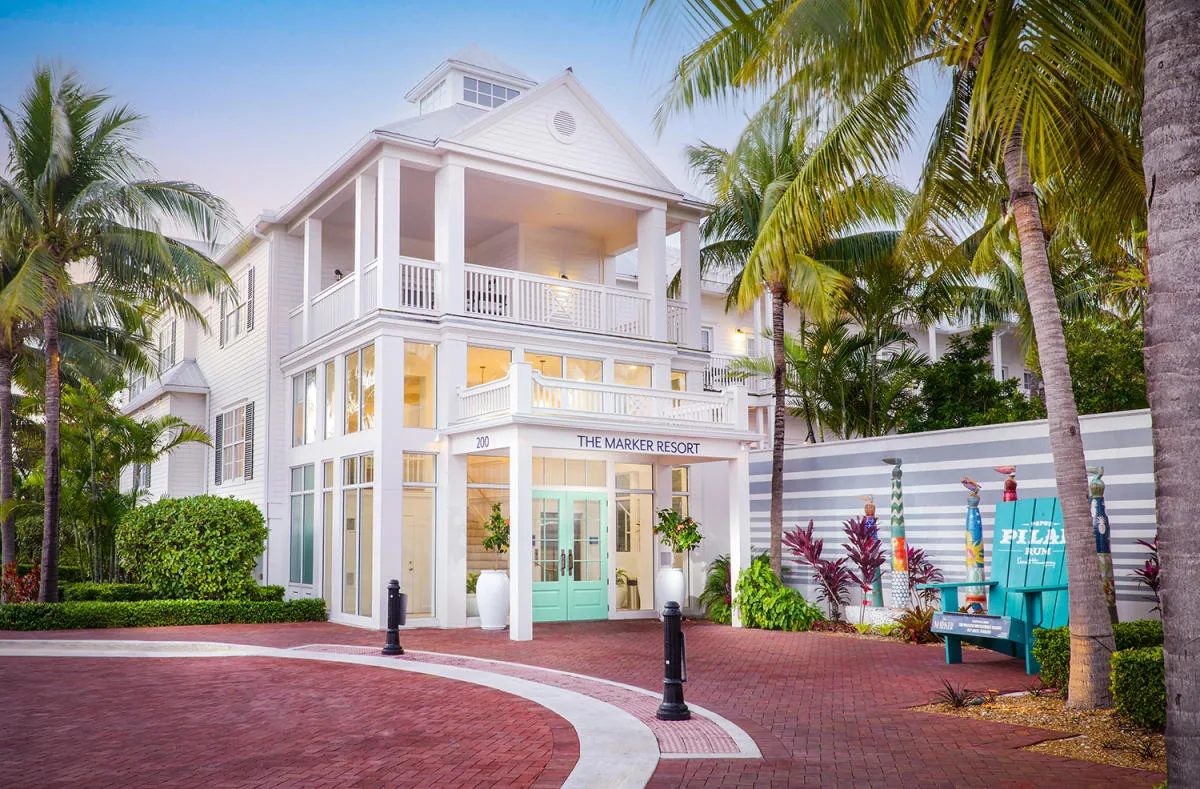
A hotel roof leak is a room-revenue decision before it is a roofing decision. One stained ceiling takes a room out of inventory, two take a floor, and the repair that fixes the leak but not the cause takes the same room out again next month. In Peoria, AZ, long hot periods flex every seam and flashing, and monsoon wind and short, heavy rain test the same details in an afternoon. Peoria's north planning area is described as supporting hospitality employment, and the city describes the P83 district as a mixed area with entertainment and hospitality uses, so lodging roofs sit inside a broader commercial mix. We begin by counting the rooms each roof section protects, because that count ranks every repair.
Count the rooms at risk before ranking the leaks
A hotel roof is a set of sections, each over a block of rooms, corridors or public spaces. We overlay the floor plan on the roof and mark which sections protect guest rooms, ballrooms, kitchens, mechanical rooms and lobbies. The number of rooms behind a section, and their value, sets the urgency of a repair.
The overlay also guides temporary response. If water enters above a block of rooms, the engineering team knows which rooms to close, which circuits to isolate and whom to call. A written emergency response plan, posted with the property's other safety documents, shortens the time between a drip and a protected room.
A second overlay shows the service routes: where housekeeping, engineering and deliveries reach the roof. Crews follow the same routes, so guests and staff are not surprised by equipment in corridors.
Public spaces deserve their own priority. A ballroom or lobby leak during an event is costly and visible, so the sections above them often get a stricter inspection schedule than sections over service areas.
Inspect kitchen exhaust, laundry vents and mechanical plant
Hotels run kitchens, laundries and large mechanical systems, and all of them reach the roof. Grease from kitchen exhaust, lint and moist air from laundry vents, and heat from cooling plant act on the membrane around each discharge. The damage is local and often mistaken for age.
We inspect around each vent and fan, protect the sheet with pads or compatible patches and check curbs and supports for flashing condition. A restaurant roof shares the grease concerns, and a hotel with an on-site restaurant has both. Laundry vents that discharge onto the roof should be directed away from the membrane or onto a protective surface.
Pool equipment and rooftop mechanical for spa or fitness areas, where present, add more lines and curbs. Chemical vapors can affect some surfaces, so we check the membrane near any such discharge.
Coordinate guest hours, quiet zones and arrival times
Guests notice noise at any hour. Check-out and check-in create two rhythms: rooms are empty after late morning and fill in the afternoon. Loud roof work above guest rooms fits best in the middle of the day, and we avoid early morning and late evening.
We ask for the property's busiest dates, event bookings and quiet blocks, then build the schedule. Staging is kept away from the entrance, loading dock and pool areas. Signs and barricades protect guests, and a named contact on both sides can pause work if a complaint arises. Work on an occupied building depends on this kind of coordination more than on any single material choice.
Group bookings and conventions change the picture quickly. We ask the sales office for the calendar early and keep the roof schedule flexible enough to move a day or two when a large booking arrives.
Temporary protection above guest corridors gets particular care. Overhead work needs covered walkways and spotters, and ladders and hoists are kept out of guest sight lines where possible.
Prepare for monsoon water, wind and debris
Monsoon season in the Phoenix metro area can bring gusts, hail and flash flooding in the same week. A hotel's multiple roof levels, parapets and canopies catch wind and funnel water. Rooftop screens, signs and mechanical enclosures add surfaces for wind to act.
Before the season we clear drains, check parapet caps, test drains and scuppers and tighten loose metal. After storms we walk again and compare the roof with its baseline photographs. For a property with a porte-cochere or large canopy, the edge details get extra attention, since a failure there can drop material onto arriving guests.
Long runs of 100-degree days explain why membrane and sealant details work hard through summer. We use that pattern to decide which details to check first on each visit.
Flat roofs on lodging often hold a mix of materials from different eras, because additions were built at different times. We note where one roof meets another, since those joints are some of the most frequent leak locations and the most useful to document.
Align roof capital with renovation and brand cycles
Hotels renovate on cycles driven by brand standards, financing and market position. Roof work fits best when it is planned alongside those cycles, not squeezed into the middle of a guest-room renovation. We build a roof history with condition ratings, repair costs and remaining service life, then show how a replacement could be timed to a renovation.
That capital planning view helps an owner decide between a few more years of repairs and a planned replacement. It also gives lenders and asset managers a clear picture. Owners with hospitality holdings that include land or buildings tied to the Peoria Innovation Core planning area or the P83 district can compare roofs in one format.
Cost drivers are listed plainly: roof area, access, the depth of wet insulation, the number of penetrations and the work window. The owner sees how each one moves the number and which can be changed.
Brand standards sometimes specify roof conditions, access control or sustainability measures. Reading those requirements before the scope is set avoids a redesign later, and the record shows how the finished roof meets them.
Share one record across lodging and nearby residential
Mixed-use projects pair lodging with apartments or retail. The roofs differ, but the record can be the same. An owner who also holds an apartment building can track both on one system, with adjustments for the way each is used and who occupies it.
Each update carries a date and photographs, so a new asset manager can read the history in an afternoon.
Access control matters at lodging properties. We agree on sign-in, badge or escort rules for the roof crew, and keys or codes for roof access are handled by one named person to keep the property secure.
Commercial Roofing Questions
How should a hotel respond when a leak appears above guest rooms?
Close the affected rooms, isolate power if water is near fixtures and place containment under the drip. Then call the roofing contact in the emergency plan. Photograph the damage before cleanup so the entry point can be traced and the repair scoped correctly.
Can roof work happen while the hotel is open?
Usually yes, with phased sections, guest-hour scheduling and protected entrances. Loud tasks fit mid-day, quiet tasks any time. We keep staging away from the entrance and pool and name a contact who can pause work.
What damages the roof near a hotel kitchen or laundry?
Grease from kitchen exhaust softens some membranes, and moist lint-laden air from laundry vents collects dirt and holds moisture against seams. Protective pads, directed discharge and compatible patches slow the damage.
How can roof replacement be timed with a renovation?
Build the roof history first, then compare the remaining service life of each section with the renovation calendar. If a section will need replacement within a few years, doing it with the renovation can save mobilization and avoid disturbing new finishes below.
What documents does an owner or lender usually want?
Condition reports with photographs, a repair log, warranty status and a capital plan with ranked sections. Together they show the state of the roof and the expected spending. We keep them in one file that updates after each visit.