
Apartment Roofing in Peoria, AZ
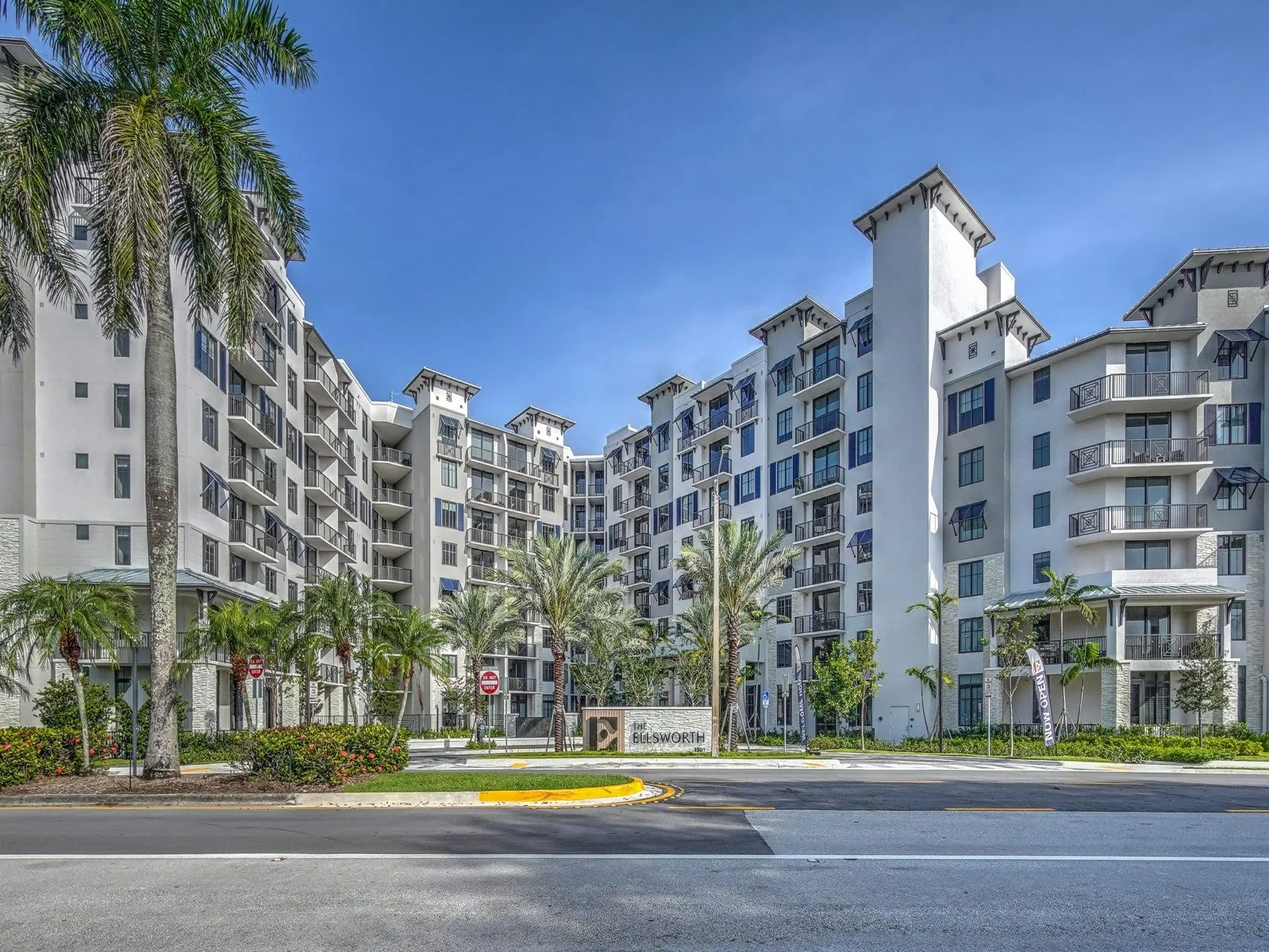
On an apartment roof, a leak is a unit-level problem for the resident and a portfolio-level problem for the owner. A single stain in a top-floor unit looks small until the work-order log shows the same building has sent in six similar reports across two years. In Peoria, AZ, Census figures put the 2025 population estimate at 200,881, up from 190,985 in the 2020 Census, and the city's planning describes residential land alongside commercial and employment areas in places such as the Camino a Lago plan area. Housing roofs are therefore a steady part of the local building mix. We begin by tallying leaks by unit and date, because the pattern points to the shared cause that a one-time patch will miss.
Tally leaks by unit to find the shared cause
Work orders hold the best early evidence. We ask for the log of roof-related complaints, sorted by unit, date and weather. Then we plot them on the roof plan. Clusters over a shared wall, a drain line or a mechanical curb point to a specific detail, while scattered reports suggest wider membrane wear.
This turns a stream of small repairs into a diagnosis. The owner can see whether the building needs a targeted fix at a few details or a planned replacement. A commercial roof leak repair that begins with the tally is more likely to hold, and the tally itself becomes part of the permanent record.
Resident reports also carry useful detail. A stain that appears only during wind-driven rain points to a wall or parapet detail, while one that appears hours after a storm often follows a drain or a low spot. We read the notes on each work order for that kind of clue.
Property managers who record the weather and date with each complaint make the diagnosis faster, so we offer a simple log format that staff can use without any roofing background.
Check roof transitions, stairwells and breezeways separately
Apartment buildings often combine several roof types: a main low-slope or pitched field, lower roofs over stairwells, covered walkways and small roofs over entries. The joints where they meet are common leak points, because different materials move at different rates.
We inspect each transition, flashing and wall tie-in, and check how water flows from upper to lower roofs. A downspout that discharges onto a lower roof can wear a patch of membrane quickly, and a missing splash pad is a cheap fix with a long payoff. Where roof systems differ, we note the compatibility of any repair material before work starts.
Balcony and breezeway roofs, where they exist, drain differently from the main roof. A small scupper that clogs with leaves can overflow into a unit below, and a short inspection each season prevents most of those events.
Give residents notice and a clear contact for access
Residents live under the work, so notice and respect matter. We provide written notices with dates, expected noise, parking changes and a contact number. Work above units is scheduled for daytime hours, and we avoid early and late hours.
If a unit needs interior access for a moisture check or ceiling repair, the manager arranges it with the resident, and our crew follows the building's entry rules. For a large occupied building reroofing, we plan work by building or wing so residents know which day affects them. Pets, children and shift workers are part of the scheduling conversation, and the property manager's knowledge guides the plan. Communities with older residents, such as a senior living property, need extra care with timing, noise and access.
Safety around play areas, pools and parking is part of the notice. Barricades, covered walkways and clear signs keep residents and visitors out of the work zone, and the crew follows the building's rules for gate and key control.
Prepare parapets and drains for blowing monsoon rain
The National Weather Service describes Arizona monsoon storms as capable of damaging winds, flash flooding and hail. Wind-driven rain pushes water sideways at parapet walls, scuppers and wall flashing, and short-burst downpours test drains faster than ordinary storms.
Before the season we clear drains and scuppers, check parapet caps and counterflashing and look for loose edge metal. After a storm we walk again and compare the roof to its photographs. Phoenix-area records show about 94 days a year at or above 100 degrees, so heat-aged sealants get a close look at every wall joint.
Hail documentation belongs in the same routine. The October 5, 2010 supercells that crossed the Phoenix metropolitan area dropped large hail that caused extensive damage, according to the National Weather Service, which is why a baseline photo set is worth taking before the next season.
Material staging sits away from resident parking and fire lanes, and trash is removed from the roof each day so that loose debris cannot blow into pool areas or walkways.
Budget by building across the portfolio
An apartment owner often holds many buildings of different ages. A portfolio view ranks every roof by condition, leak history and remaining service life, and sets a multi-year budget that spreads spending. Buildings that need action now are separated from those that can wait, and the plan states what a delay would cost.
A multi-site roof program keeps the information consistent, and a due diligence roof survey gives a buyer or lender a clear starting point on any acquisition. For mixed-use sites that include a hotel or retail space, the record adjusts for the different use of each roof.
A portfolio plan also lists warranty status by building. Where coverage remains, repairs follow the manufacturer's rules, and the schedule includes any required inspections.
Account for mixed-use and older downtown buildings
Peoria's current zoning code describes downtown as a mixed-use area for civic, historic, residential, commercial and employment functions, with context-sensitive redevelopment beside historic structures. A residential roof in that setting may sit beside a commercial one and share walls, drains or access. For downtown and Old Town Peoria, we check shared details before assuming one owner controls the whole roof.
Because the code and zoning in that part of the city can differ from suburban areas, we confirm permit scope and any historic-context requirements with the city before pricing work.
Commercial Roofing Questions
How can work-order logs help diagnose an apartment roof?
Sort complaints by unit, date and weather, then plot them on the roof plan. Clusters over a drain, wall or curb point to a specific detail. Scattered reports suggest wider wear. The pattern sets the repair boundary and the replacement outlook.
What notice should residents receive before roof work?
Written notice with dates, expected noise, parking changes and a contact number, ideally several days ahead. Interior access needs separate notice. A clear contact for questions reduces complaints and helps the crew work without interruption.
Why do joints between roof levels leak so often?
Different roofs move at different rates, and the joint takes the stress. Flashing may separate, sealant may fail and water from the upper roof can overload the lower one. We check each transition and the flow of water across it.
When should an owner replace an apartment roof instead of repairing it?
When leaks recur in different places, when moisture surveys show wet insulation in several areas or when repair costs approach a large share of replacement. We set the line in writing, using the building's own history, and update it each year.
Can one program cover many buildings with different roofs?
Yes. A common record format, a ranking method and a budget plan work across different roof types. Each building has its own rating and schedule, and the owner sees the whole portfolio at once.