PVC Commercial Roofing in Peoria, AZ
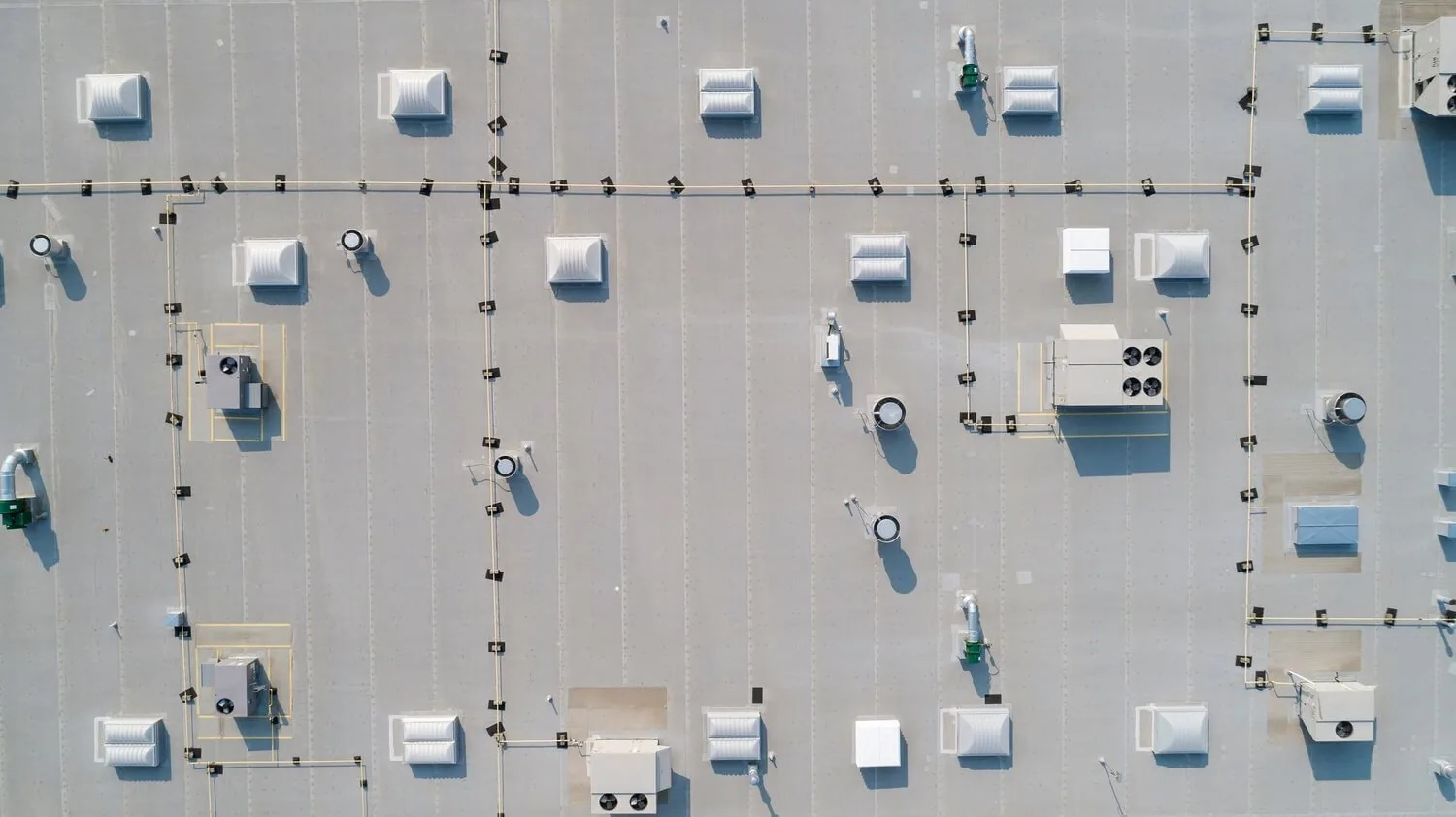
PVC can be a fit for a commercial roof where the membrane must stand up to oils, grease, or other exposures, but the label alone does not settle the selection. In Peoria, AZ, we review the actual building use, existing roof, drainage, and service access before recommending repair or replacement. A seam that looks closed from a ladder can still have a weak weld, and a curb repair may use the wrong material if the membrane is misidentified. We confirm the system first, then map the condition. A roof inspection can show whether the next move is a localized repair, testing, or a broader scope.
Confirm the sheet and weld condition
A PVC roof often serves buildings where grease, oils, or process discharge may reach the membrane. The relevant question is where that exposure travels, how frequently it occurs, and whether it changes the sheet or a flashing accessory. We map exhaust outlets, service paths, drain bowls, and the areas beneath equipment before choosing a cleaning and repair method. The repair boundary includes material that has softened, swollen, or lost surface integrity. A weld on a contaminated sheet can look neat while the affected edge remains unsuitable for long-term bonding.
P83 combines commercial, entertainment, hospitality, employment, and residential uses within a city-identified district. That range reinforces why the roof review starts with the actual building operation, not a label applied to the whole neighborhood. We identify the PVC sheet, compatible flashing, and discharge pattern at the property, then compare the actual sheet and approved accessories if the roof record identifies a different thermoplastic alloy.
Identify what reaches the membrane
A kitchen exhaust, process vent, or service area can expose PVC to materials that affect its surface. We ask what equipment serves the roof and inspect the area around discharge points for residue, softening, discoloration, or failed seams. The roof record should name the source of exposure when it is known and distinguish it from ordinary weathering. If the source remains active, repair may need a compatible detail or a coordination step with the building operator. A patch alone will not solve a repeated discharge problem.
Peoria identifies P83 as a mixed commercial, hospitality, employment, and residential district near Loop 101 and Bell Road. That profile may help an owner identify operating considerations, but it does not establish any property's use or chemical exposure. We verify the rooftop equipment and service pattern directly. A curb and equipment review can document nearby flashing and support conditions before PVC work begins.
Tie every penetration back to the field sheet
Inside and outside corners, pipe boots, curb walls, and drain bowls need PVC-compatible flashing. We check the weld at each corner, verify that the membrane turns up high enough for the detail, and inspect metal terminations for loose fasteners or open joints. A different membrane or coating layered over the repair can interfere with the weld. We identify old material and remove only what the approved repair scope requires. When the transition is rebuilt, we check the finished seam and document the detail before equipment or walk pads cover it.
For a roof with repeated opening failures, a penetration review can separate pipe boots from curb and skylight work. Drainage also belongs in that map. The drain and overflow check confirms whether water is reaching the outlet instead of sitting against a welded edge.
Check the layers below a leak
A PVC leak may travel through insulation or along the deck before it reaches an interior ceiling. We compare staining with seam locations, roof slopes, and penetrations, then mark whether a core or infrared survey would change the repair boundary. Wet insulation can lose support and compromise a new weld nearby. If testing shows isolated moisture, selective removal may be enough. Separate wet areas, recurring seams, or poor attachment may call for a larger replacement scope. We state what is confirmed and what remains unknown.
Arizona monsoon storms can bring damaging wind and microbursts as they move toward the Phoenix region. After a storm report, we inspect for fresh displacement and keep older wear separate in the record. The wind damage assessment can document edge or penetration changes, while a roof-layer review addresses substrate conditions that affect a repair.
Compare PVC with the roof's operating demands
PVC selection should match the exposure, service access, drainage, and expected maintenance of the building. We compare the current membrane with repairable alternatives and verify compatibility before proposing a recover or new assembly. KEE is a PVC alloy system, but product formulations and details vary, so the submittal controls what materials and welding procedures apply. A KEE system comparison can clarify the distinction, while TPO roofing offers a separate single-ply option with its own weld and chemical-resistance considerations.
Peoria's adopted building code uses the 2018 International Building Code with municipal amendments. Energy-efficient design also follows the applicable International Energy Conservation Code requirements. We confirm which provisions apply to the project rather than assume an edition or permit path from another property. If insulation, cover board, or roof height changes, those details are reviewed before the final membrane is chosen.
Keep the PVC repair history specific
Record the membrane identification, repair locations, exposure notes, photos, test points, and any work performed by another trade. If a drain or curb remains open for follow-up, label it and state who will complete the next step. That file helps a future inspection distinguish a new leak from an area repaired during an earlier visit. We also note what could not be accessed so a limited review does not become a broad condition claim.
For owners comparing assets in the northwest Valley, Surprise City Center is a one-square-mile downtown area with blocks designated for commercial service, healthcare, hospitality, retail, employment, and residential uses. Those district facts do not describe a specific roof. Each PVC system gets its own condition and service record. A Surprise roof review can keep the property's location context with its actual membrane map and repair decision.
Commercial Roofing Questions
When is PVC useful for a commercial building?
It may fit where the roof faces oils, grease, or certain chemical exposures. We confirm what reaches the surface and check compatibility with the installed membrane before recommending it. The product submittal and exposure conditions guide the choice, while drainage and roof condition determine whether the system can be installed or repaired as planned.
Can you weld a PVC patch over an older repair?
We first identify the material and test whether the surface can be prepared for a sound weld. Coatings, sealants, residue, or an incompatible patch may need to be removed. If the existing sheet is too degraded or the repair area is wet, the scope may extend beyond a surface patch.
How do you know if a leak damaged the insulation?
We compare the leak path with visible conditions and use targeted testing when it can change the work boundary. A core can confirm layers at its location, and infrared can help identify candidate areas. We map the result rather than assume every section under the membrane has the same condition.
Does PVC require special care near HVAC discharge?
The roof team should understand what the equipment releases and whether that exposure can affect the sheet. We inspect residue and seams around the discharge, then coordinate any ongoing source with the building operator. A compatible repair depends on surface preparation and on whether the exposure continues after the work.
Should a PVC roof be replaced if several seams are open?
The number and distribution of failures matter alongside membrane age, attachment, and insulation condition. We test representative areas and determine whether openings share one repairable cause or appear across separate roof zones. The recommendation records what evidence supports spot work, recover, or replacement.