Church Roofing in Peoria, AZ
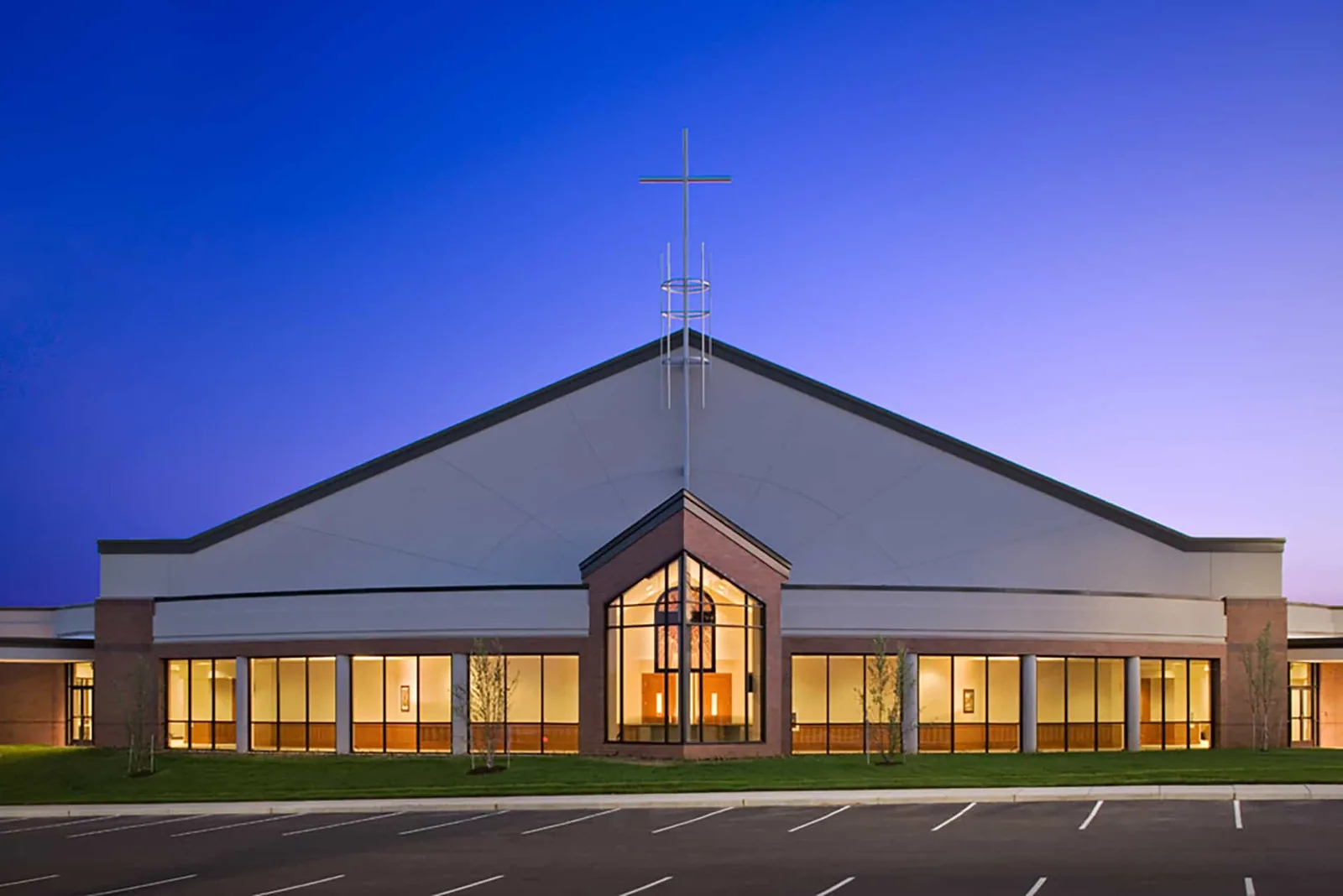
A water stain on a sanctuary ceiling often prompts a request for a full re-roof, when the real defect is one transition several feet away. Tall interior volumes make a leak look larger than the opening that caused it, and a congregation can commit to a major expense before anyone has traced the water path. Peoria summers and monsoon bursts keep loading seams, flashings and edge metal, which is why a small defect rarely stays small. Before anyone commits money, we want three things on paper: the entry point, the distance the water travels and the record of earlier repairs. Then we draw a repair boundary and let the findings set the capital window.
Locate the leak above the stain, not at it
Worship spaces can have high ceilings, clerestory walls, bell towers or entry canopies, and water can travel along framing before it appears on a finish. We trace each stain back through the deck and framing to the roof detail above, checking seams, pipe boots, curbs, parapet walls and valleys where one roof section meets another.
When the interior evidence is unclear, an commercial roof inspection with moisture mapping shows wet insulation without cutting the roof. The map tells the building committee how much of the roof is actually affected and keeps them from paying to replace dry sections. Photographs of each finding go into a report the committee can read without climbing a ladder.
If the roof is accessible only through an attic or a ceiling hatch, we note how crews will reach it and whether the framing can carry foot traffic.
Separate steep, low-slope, and metal sections
A church campus can combine several roof types: a low-slope field over a fellowship hall, a steeper roof over a sanctuary and metal panels over an entry or covered walk. Each one fails differently. Low-slope membranes open at seams and curbs. Steeper roofs lose fasteners and flashing at ridges and walls. Standing seam metal shows movement at clips and panel ends.
We identify each section by sampling and by reading its construction, because assuming the system from the building's style leads to the wrong repair. The roof sketch labels every section and records its condition, so the committee can plan work for one wing without disturbing another.
The same sketch helps the committee talk with its insurer or its lender. Each roof section has a condition, a repair history and a service-life estimate, and the committee can see at a glance which sections carry the budget this year.
Schedule work around services, weddings, and classes
Roof work above a worship space is easier to accept when the schedule respects the week. We agree on work hours with the facilities lead, keep ladders, hoists and staging away from entrances during gatherings and schedule loud tear-off for days when the building is quiet. Debris leaves in covered containers, and walkways stay open and clean.
Where a daycare, school or fellowship program shares the campus, we separate its entrance from the work zone. This matters in the same way it does on a school roof, where children and staff cross the site all day. We confirm the plan in writing, and we close every opened section before leaving.
Check drainage and edges before monsoon season
Monsoon outflow winds, microbursts and hail are the documented storm hazards in the low deserts, and a supercell outbreak on October 5, 2010 left extensive hail damage around metro Phoenix. That history is a reason to inspect, not a conclusion about any one roof. A congregation that owns property along the Loop 101 or near Park West faces the same storm pattern as one downtown.
We clean and test drains and scuppers, check that overflow openings sit at the right height and inspect perimeter metal and coping for loose joints. Short bursts of rain overload a partly blocked drain, and water backing up behind a parapet finds every weak flashing. After a significant storm, we document confirmed impacts and leave the rest of the roof out of the claim.
Church property is also exposed to the plain wear of use. Foot traffic to reach rooftop units, tree debris near the walls and maintenance crews who prop ladders on the edge metal all leave marks, and we note each one so the building's care team knows where to add protection.
Inspect rooftop units, skylights, and steeple bases
Rooftop air handlers, skylights, vents and any tower or steeple base each add a penetration to the roof, and a curb cluster is where leaks tend to return after a patch. We inspect the base flashing, the counterflashing and the sealant at every one, and we check that condensate lines discharge onto a pad or into a drain instead of onto the membrane.
Skylights and clerestory glazing deserve a separate look. Curbs and frames shift as the roof heats and cools, and a split gasket or open corner can drip straight into the sanctuary. We record each opening by location in the asset record, so the next inspection starts from a known condition and the committee can see which details have been corrected.
Time the capital window to the congregation's budget year
Roughly 94 days a year reach 100°F in the Phoenix area, and membranes and sealants age through every one of them whether or not anyone is watching. For a congregation, the question is when to act, not only whether. Owners of civic buildings weigh the same timing, as a municipal building manager does. A roof with isolated defects on dry insulation can be repaired now and monitored. A roof with wet insulation in several areas needs replacement planning with a date attached.
Peoria's downtown zoning anticipates civic, historic, residential and commercial uses, with redevelopment treated carefully beside historic structures, so a building near Old Town Peoria may face design review that adds time. We note that early in the roof condition report so the budget includes it.
Commercial Roofing Questions
How can a congregation tell whether it needs repair or replacement?
Ask for a moisture map and a seam and flashing review before deciding. If wet insulation is limited to one section and earlier repairs held, repair is reasonable. If wetness appears in several areas or returns after patches, plan replacement and write down the date.
Can the roof be worked on during the week without disturbing services?
Usually, when the schedule keeps loud steps to quiet days and staging away from entrances. We agree on hours with the facilities lead and keep a weekly plan posted. Events such as weddings or funerals get their own exceptions, set in advance.
What is the best way to compare roofing proposals for a church?
Compare scope by roof section, not total price. Each proposal should name the system, the insulation condition, the edge and flashing work and the access plan. If two proposals differ in scope, the cheaper one may omit work the building needs.
Does a stain over the sanctuary mean the roof directly above has failed?
Not necessarily. Water travels along framing and deck before it reaches a ceiling, so the entry point may be a flashing or drain several feet away. We trace the path from the stain to the roof and confirm it with a probe or moisture reading.
How should a building committee keep records of roof work?
Keep photographs, the roof sketch, moisture readings, product information and any warranty file together, with dates. We provide that record at closeout. It lets the next committee see what was done, where and why, without relying on memory.