Emergency Commercial Roof Repair in Peoria, AZ
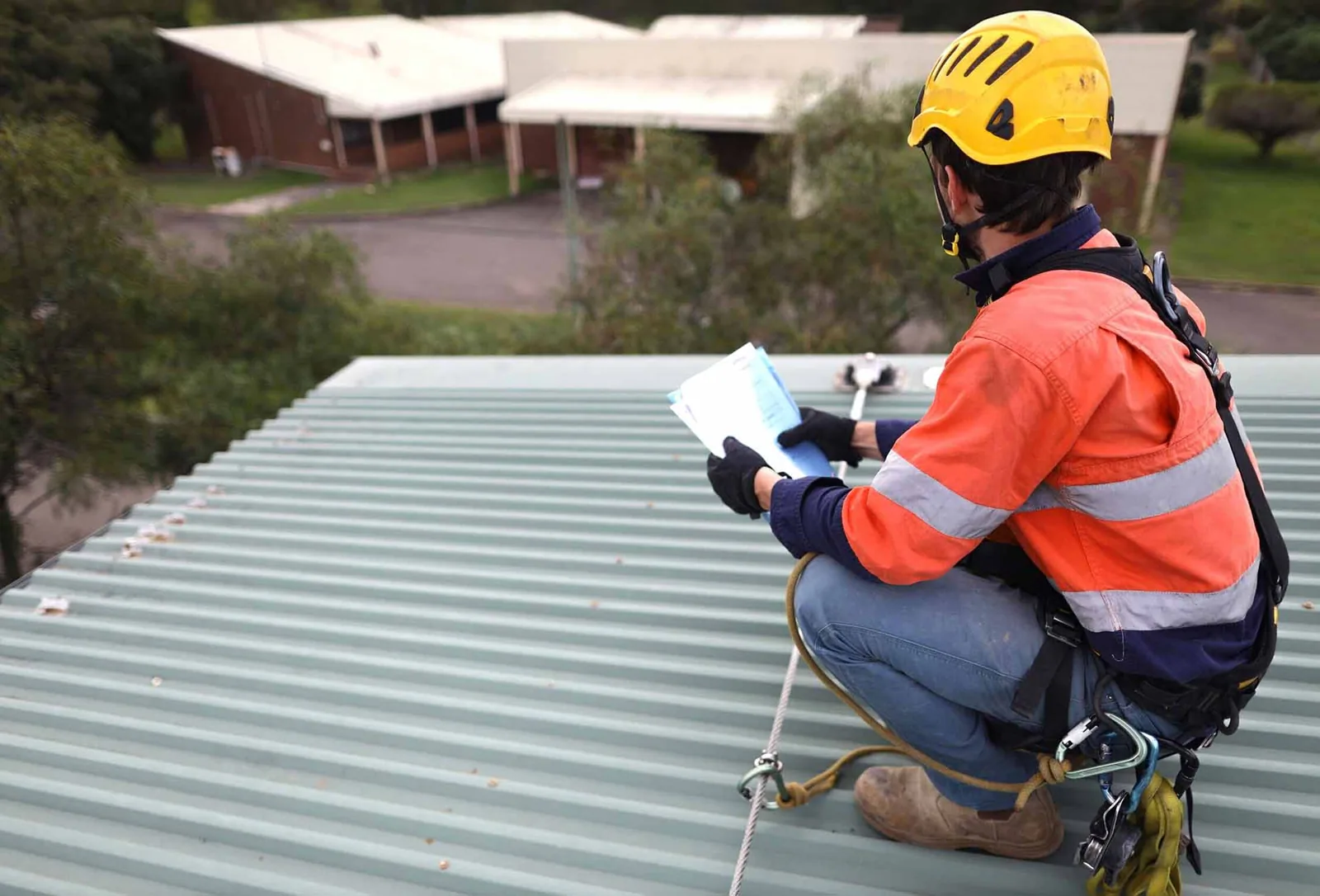
Active water entry changes the roof decision by the hour. In Peoria, AZ, a monsoon burst, hail impact, or failed seam can expose interior space with little warning. We respond around the clock, assess whether roof access is safe, and stabilize the affected area before setting a permanent repair scope. The first visit is about controlling the opening, protecting people and property, and recording what the roof shows. We do not treat a tarp or temporary dry-in as the completed repair. The owner receives a clear next step and can schedule a permanent commercial roof repair when conditions allow.
Make the first response safe and useful
Before a crew climbs, we evaluate wind, lightning, standing water, roof access, and the condition of the surface. A slick membrane, unstable edge, or active electrical concern can make immediate roof work unsafe. We coordinate with the property contact to isolate interior hazards, protect inventory or equipment, and keep occupants away from the affected area. If the roof cannot be reached safely, we focus on interior containment and a safe return window.
Peoria’s Loop 303 employment planning spans business, industrial, commercial, and mixed uses. A facility near the corridor may have loading activity or rooftop equipment that affects how a response is staged. We identify where the leak is affecting operations, confirm access and shutdown limits, and place protection where it can be secured. The written service note separates what we observed from what could not be inspected yet. If weather prevents a final detail, the owner knows which area remains temporary and who will coordinate the next access.
Control the water path without hiding it
Temporary protection should direct water away from occupied areas and remain stable until the roof can be repaired. We locate the likely opening, clear only what is safe to clear, and install a temporary cover or dry-in suited to the conditions. We record where it begins and ends and how the building team should monitor it. If a leak path is uncertain, we protect the interior while preserving enough evidence to inspect the roof properly.
NWS guidance identifies damaging winds, microbursts, hail, and flash flooding as possible Arizona monsoon impacts, including conditions affecting the Phoenix metro. Those hazards can make roof access change quickly. We use the weather window available, then secure a clear stopping point rather than leave an unfinished area exposed. Around P83, entertainment and hospitality operations can make customer entries and delivery paths part of the protection plan. We coordinate ground-level access with the property contact and keep the temporary roof measure distinct from the follow-on repair.
Document what the event changed
After stabilization, we inspect the area around the opening for membrane cuts, lifted seams, displaced edge metal, punctures, loose flashing, or damage at rooftop equipment supports. Hail can mark a surface without proving that the assembly lost function, while a small cut can admit water even when the surrounding field appears intact. We compare visible findings with interior reports and prior repair notes. Moisture readings or a selected core cut may be needed if water has spread below the membrane. The goal is to identify which conditions are confirmed and which need another inspection.
NWS records describe a large hail event crossing the Phoenix Metropolitan Area on October 5, 2010. That historical event is not evidence that a current Peoria roof was affected. For a present claim or repair decision, we document the actual date, conditions, and observed damage on the building. A hail damage assessment or wind-related repair review can organize the investigation around the specific surface and detail condition.
Separate emergency work from permanent scope
An emergency visit may include temporary weather protection, debris removal where safe, or a limited repair that stops active water. Permanent work can require dry conditions, compatible materials, and preparation beyond what is possible during a storm. We identify what the immediate authorization covers, what remains open, and what could change after the roof is dry. That distinction helps the owner manage tenant communication and insurance documentation without treating a temporary measure as a final condition. Photos and a written note capture the work boundary and any area that still needs testing.
For a commercial property with multiple roof zones, one leak does not automatically justify opening every area. We map the affected section and look at adjacent transitions that could share the same exposure. If wet insulation or deck damage appears, we explain how that changes the repair. Where broad deterioration is present, an owner may compare repair with a replacement scope or a tested recover option. Our recommendation stays tied to the condition found, not the pressure of the weather event.
Protect the building while it stays in use
Emergency work often happens while tenants, staff, or customers remain on site. We coordinate a safe exclusion area below the roof, protect electrical equipment and stored goods, and confirm the access route with the facility contact. For an office, the issue may be a ceiling grid or data room; for retail, water near a customer or stock area can require quick interior containment. We explain any temporary limitation and return when the roof can be worked safely.
Peoria’s P83 planning identifies a mixed commercial district with employment and hospitality uses. The district context can inform access planning, but the affected building’s own operating schedule sets the response. In north Peoria, the planned Loop 303 growth area includes multiple future uses; the project status of a specific parcel must be checked rather than inferred from the plan. We focus on the existing building and the incident at hand, then document any follow-up needed for a broader roof review.
Return to a permanent roof condition
Once the weather clears and the surface is ready, we remove or incorporate temporary protection as the permanent detail requires. The repair may involve a membrane patch, seam work, flashing replacement, edge reset, drainage correction, or moisture removal. We inspect the finished area and photograph the transition to surrounding material. The closeout records whether the original entry was confirmed and whether additional roof areas remain under observation. If the initial assessment could not reach the full assembly, we say what test or access would resolve that question.
Owners in Peoria and nearby Surprise can retain the emergency note with later inspection and maintenance records. That sequence shows whether a temporary measure was replaced, what the permanent repair addressed, and how the roof should be checked after the next storm. A written condition report can turn several emergency calls into a broader repair or capital plan. The immediate response protects the building; the record supports the decision after the water stops.
Commercial Roofing Questions
How quickly can you respond during a storm?
Emergency response is available around the clock, including nights and holidays. Arrival timing depends on safe access, active weather, and current conditions. We will confirm what can be reached, whether temporary protection is appropriate, and when a permanent repair can proceed.
Will you tarp the roof if wind is still active?
Not if the conditions make roof access or secure attachment unsafe. We assess wind, lightning, surface conditions, and the path below. If climbing is not safe, we contain interior water and return when the roof can be approached without creating another hazard.
Does emergency service include a permanent repair?
It can when the damaged detail is accessible, conditions allow proper preparation, and the repair material can be installed correctly. Otherwise, we stabilize the area and identify the permanent scope. The service record distinguishes completed repair from temporary dry-in.
What should our facility team document during active leaking?
Keep people clear of the affected area, protect movable equipment where safe, and note the time and rooms involved. Photos can help, but do not send staff onto a wet roof. We inspect the assembly directly when access conditions permit and connect those reports with roof findings.
Can a storm claim be based on the emergency visit?
The visit can document observed conditions, temporary protection, and repair work, but it does not decide coverage. We can provide photos and a written scope that separates visible damage from areas needing further testing. The owner can share that record with the appropriate claim contacts.