
Commercial Roofing for School Districts in Peoria, AZ
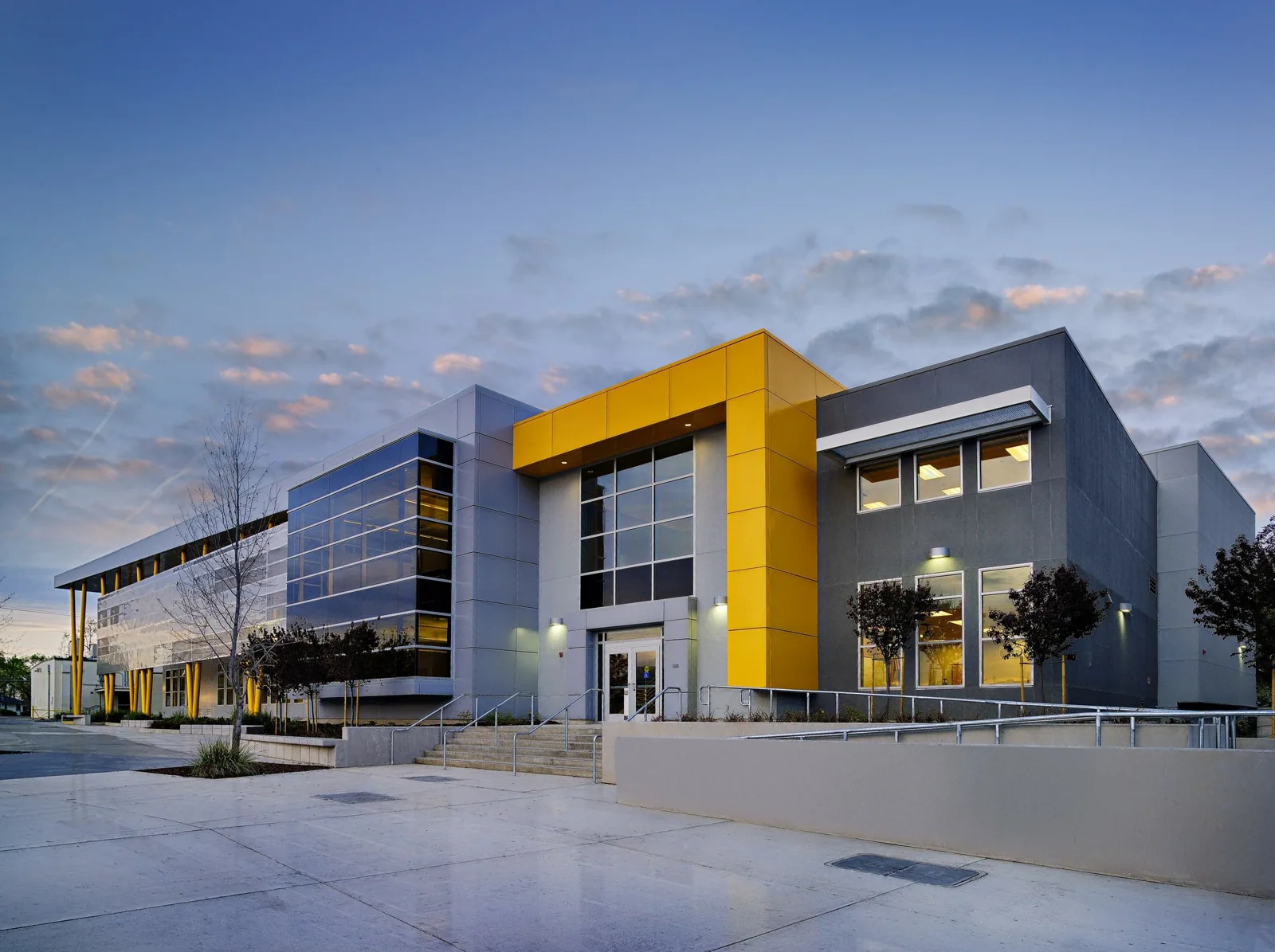
A leak in a classroom ceiling is one finding, not yet a roof scope. Water may have entered at a curb or seam and moved before reaching the room, so the district needs a roof inspection that identifies the source and repair boundary. In Peoria, AZ, extended heat cycles act on exposed seams and flashing, and monsoon storms can bring wind, hail, and sudden rain. We document what the roof shows, coordinate access with district staff, and plan the next step around the building calendar.
Fit the work into the school calendar
School roofs are often inspected while buildings are occupied, and larger projects may need to fit a break or summer window. The work plan accounts for student and staff routes, deliveries, noisy tasks, roof access, and any rooms that need interior protection. We ask the district contact which spaces can be affected and when, then divide the roof into sections that can be closed, secured, and dried in at the end of a shift.
A reroof on an occupied building can be phased when the roof assembly, access, and weather window allow it. We explain the daily sequence and identify what could change it, such as hidden moisture or deck damage found after tear-off. The district can coordinate building notices and room schedules around a defined work area instead of planning against a vague replacement date.
Find where water enters before writing the repair
The stain below a roof does not identify the opening above it. Water can move across a deck or insulation joint, then appear at a ceiling grid several feet away. We inspect the roof area above the complaint, trace nearby drainage paths, and check seams, flashing, curbs, parapets, and prior repairs. If the moisture boundary is not visible from the surface, an infrared moisture survey can point to locations for confirmation testing.
When the defect is isolated and surrounding material is sound, a focused roof repair may resolve it. Repeated leaks, wet insulation in separate areas, or a failing field seam can indicate a broader scope. If water appears during a school day or break, district staff should identify the room or wing, trace the likely roof path, and set interior protection while the lasting repair is assessed. The report states what was done immediately and what remains open.
Set a baseline before monsoon season
Before summer storms, exposed school roofs need a check of seams, penetrations, perimeter metal, drains, and overflow routes. Wind, hail, and fast runoff can reveal weakness in those details. Hot-season work must also fit the school calendar, while the repair decision follows what the crew inspects and tests on the assembly.
A dated record lets district staff compare a roof after a storm with its earlier condition. If wind or hail may have affected the assembly, a storm damage inspection can document visible changes and identify areas for further testing. Our maintenance program can also keep drains clear and record small openings before rain reaches classrooms or equipment rooms. The recommendation follows field evidence, not the storm report alone.
Keep building records separate and transferable
A district-wide spreadsheet can rank buildings, but the inspection evidence must stay tied to each roof. We identify the system where it can be confirmed, map visible conditions, and photograph the relevant seams, drains, edges, and curbs. The record notes prior repairs and open questions, including areas that need a core sample or additional access. That lets a facilities manager hand the file to a new colleague without losing why an item was placed in the current budget.
Peoria’s 2022 health-care and social-assistance receipts were $1.351 billion, a citywide measure of a major service sector rather than a count of facilities. The Loop 303 corridor plan also includes business park, industrial, and community commercial categories. Those facts do not describe school buildings, but they show that roofs in the broader market serve different operating patterns. A condition report keeps the district’s own findings distinct, while a roof asset record carries them across inspection and budget cycles.
Use local context without inventing a campus condition
District teams reviewing northern growth can see planned jobs, shops, homes, and open space in the area between Lake Pleasant Parkway and State Route 74. That plan also names advanced manufacturing and other employment possibilities. District teams may consider that map in transportation or future-facility discussions; an existing school’s roof priority stays tied to its own system and maintenance history.
Peoria’s compact downtown subdistricts allow civic, historic, residential, commercial, and employment uses. That mix may shape school access, parking, and work-hour coordination; it does not identify the assembly on a nearby roof. For a roof near the Peoria Innovation Core or Downtown and Old Town Peoria, our first step remains a field review.
Connect the repair choice to the budget year
District budgets often need a clear distinction between immediate repair and a roof entering its replacement window. We compare repair frequency, seam and edge condition, drainage, and moisture evidence, then state whether the roof can be monitored, repaired, restored, recovered, or replaced. A coating is considered only after checking substrate and adhesion; a recover requires suitable existing layers, attachment, and moisture conditions. We identify the cost drivers that remain uncertain rather than filling a budget line with assumptions.
For a roof that can wait, set a review trigger around observable signs: a new ceiling mark, a repeat work order, or moisture outside the last repair boundary. For a roof that cannot wait, it identifies the affected areas and the schedule constraints. A building-level management plan can help district and property teams coordinate maintenance responsibilities, while public agency roof planning can keep approvals and procurement steps connected to the physical scope. The facilities lead receives a decision that can be reviewed at the next budget meeting.
Commercial Roofing Questions
What should a district send before a roof inspection?
Share the building list, reported leak locations, repair records, roof plans if available, access rules, and the school calendar. Identify the staff member who can arrange roof access and approve work around occupied rooms. Those details help us plan a focused inspection and note which findings need additional testing.
Can a roof replacement be completed during summer break?
It may fit, but the scope, material lead time, crew access, weather, and concealed conditions control the schedule. We review the roof and work backward from the date the building must be ready. If tear-off exposes deck or insulation conditions that change the scope, we update the sequence with the district contact rather than treating the original calendar as fixed.
How do you keep students and staff away from roofing work?
We coordinate with district staff on access routes, staging, deliveries, and any area below active work. The daily plan identifies where crews and materials will be and how the roof will be secured at the end of the shift. District personnel control building access; our crew follows the agreed work boundaries and communicates any change before it affects an occupied area.
What makes a roof repair different from a replacement?
A repair addresses a defined failure where the surrounding assembly remains serviceable. Replacement becomes more likely when failures repeat across separate areas, moisture is widespread, or the system can no longer support a durable repair. We show the photographs, test results, repair history, and remaining open questions that support the recommendation.
How can the district document storm-related roof work?
Keep the pre-storm condition record, inspection photographs, work order, and post-repair findings together by building and roof area. We document visible damage and separate emergency protection from permanent repairs. If testing is required, the report identifies the area and result so district staff can update the file with evidence instead of a general weather summary.