
Shopping Center Roofing in Peoria, AZ
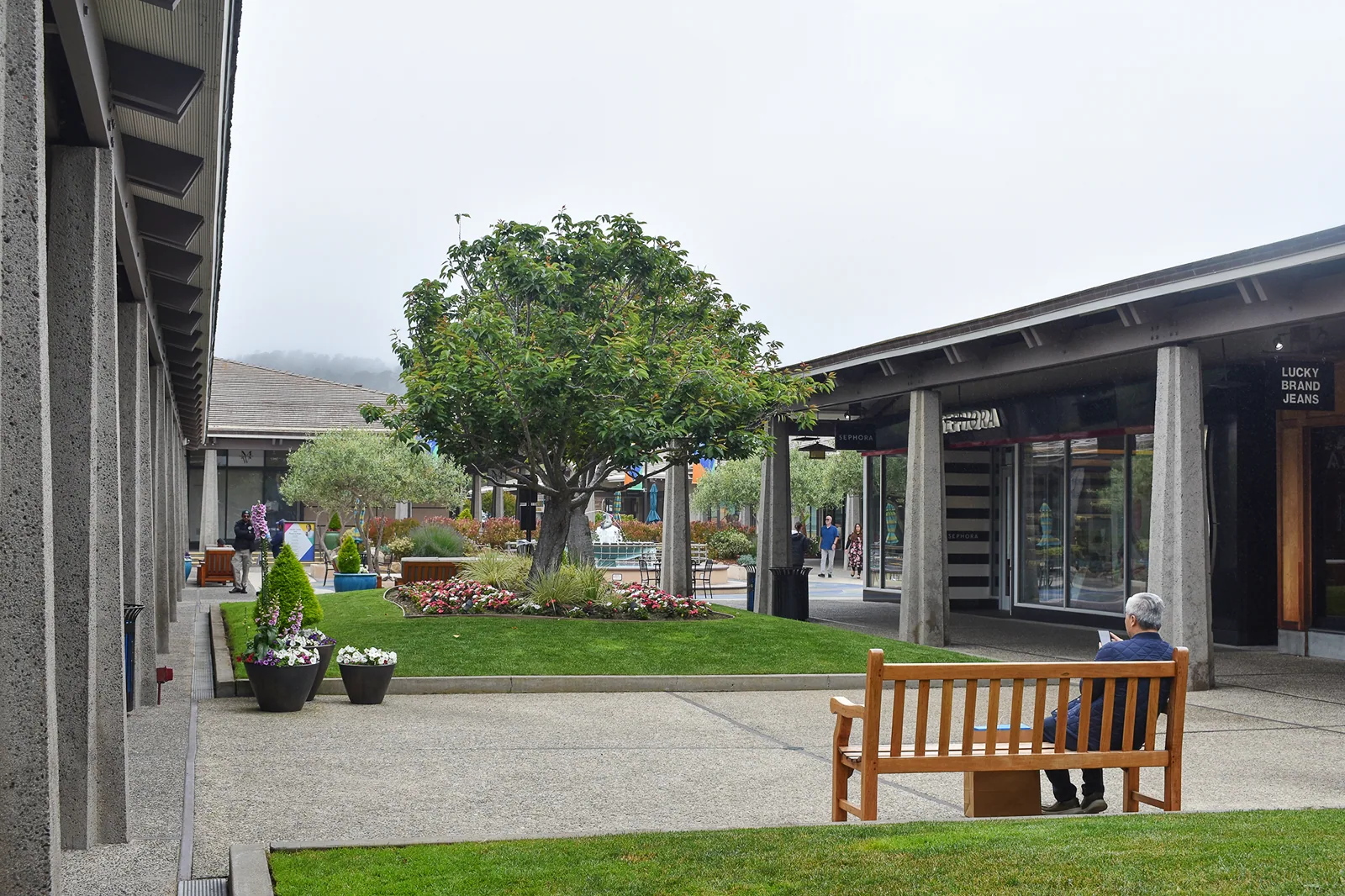
A shopping center roof is one membrane over many tenants, and the failure that matters most is the one nobody can assign. A stain in bay six may come from a drain serving bay nine, and the landlord, the tenant and the contractor each see only part of the picture. Retail is a major part of Peoria, AZ's economy, so strip centers and shopping centers carry real weight in the local building mix. Parapets, canopies and exhaust equipment take a beating from summer heat and from the monsoon's gusts and sudden downpours. We begin by tying each tenant space to a roof section, because every later decision about cost, timing and responsibility rests on that map.
Map tenant lines onto the roof before tracing a leak
We take the lease plan and overlay it on the roof. Each bay is assigned to a roof area, each drain to the bays it serves and each unit to the space it cools. With that map, a leak report becomes a location on the roof instead of a vague complaint, and a tenant can see which section the work covers.
Water often travels along the deck or insulation before it appears inside, so the stain is not a reliable guide. We trace the likely path by checking slope, seams, curbs and drains in the contributing area. The result is a defined repair boundary and a clear answer to the question every landlord eventually faces: whose roof area is this?
The map also exposes shared elements: a drain that serves three bays, a unit that cools two, a wall that divides two roof levels. Shared elements are where disputes start, so each one is labeled and photographed during the first walk.
Where leases or as-built drawings are missing, we build the layout from the roof itself, counting units, drains and expansion joints and checking them against the interior. The drawing is then added to the record for later use.
Treat canopies and parapets as separate assets
Retail frontages add canopies, overhangs and decorative parapets that behave differently from the main roof. Their flashing runs along walls and corners, their drainage often depends on scuppers or small downspouts and their edges take wind first. A canopy can be failing while the main field is sound.
We inspect each canopy and parapet on its own, with attention to coping joints, counterflashing and sealant. Where the edges show movement, edge metal and coping repairs are scoped separately from the field work. Customers walk beneath these areas, so a falling cap or a dripping scupper is a safety issue as well as a leak.
Signage supports and awning frames often penetrate the canopy membrane, and their attachment points are common leak sources. Each penetration is resealed with a detail suited to the movement, and loose supports are reported to the owner before they fail.
Control restaurant exhaust and grease on mixed-use roofs
Centers that include restaurants add kitchen exhaust fans to the roof. Grease discharge stains and softens some membranes, collects dirt and holds moisture against seams. The damage follows the fan, not the weather, and it can look like age across a small part of the roof.
We inspect around each fan, check containment pans and curbs, and recommend protective pads or compatible patches where damage appears. The restaurant roof considerations apply to any bay with a kitchen. A lease clause that assigns responsibility for exhaust maintenance can save the landlord a membrane repair, so we flag where the lease and the roof meet.
A short lease addendum that requires tenants to use approved roof contractors for equipment work can prevent a good deal of damage. Unmanaged access leaves cut conduit, abandoned supports and puncture marks that appear in the next survey.
Plan drains and overflow for short-burst monsoon rain
Monsoon storms across the Phoenix metro area can mix gusts, hail and flash flooding in one evening. Retail roofs with interior drains and parapet walls rely on a few outlets, and a blocked outlet during a short heavy storm can send water to a single bay.
Before the season we clear drains and scuppers, test overflow routes and check wall flashing heights. After a storm, a second walk sets the roof against the baseline photographs. In the Park West commercial district, which the city describes as an open-air retail and dining center beside Loop 101, the same checks apply to each building.
Loose coping and bent flashing after a storm are easy to miss from the ground. A second walk within a few days catches them and prevents the next rain from entering through a gap that was small enough to ignore.
Phase the work around trading hours and holiday weeks
Retail has peaks that no roof schedule can ignore: weekends, back-to-school and the holiday season. We ask each tenant for blackout dates and place noisy tasks outside them. Work above restaurants avoids meal service when possible, and work above the largest tenants avoids opening hours at entrances.
Customer paths stay clear. Barricades, spotters and covered walkways protect the public, and materials arrive early or late in the day. For occupied building reroofing, the plan shows the order of sections and the day each tenant can expect work above their space, so no one is surprised by a lift or a closed entrance.
Tenant improvement work is another trigger for roof contact. A new rooftop unit, hood or exhaust line brings workers to the roof, and a pre-work walk and a post-work walk document the roof before and after, which protects both landlord and tenant.
Split costs by evidence, not by guesswork
On multi-tenant property, cost allocation often causes more friction than the repair. The roof record can help. It shows which sections were repaired, why and how often. If a tenant's equipment caused damage, the record shows it. If a drain failure served many bays, the cost is shared accordingly.
Owners with several properties, whether in the Camino a Lago commercial core area or the P83 district, can use one format across all of them. A single large-format big-box store in the same portfolio is logged in the same format, adjusted for its one large roof.
Peoria's retail activity is wide and the 2025 population estimate of 200,881 supports continued commercial demand, so a clear, repeatable roof record is part of how an owner keeps each property comparable with the next.
Commercial Roofing Questions
How can a landlord decide which tenant's space a leak belongs to?
Overlay the lease plan on the roof, trace the leak to its entry point and note which drains and sections serve each bay. The roof area, not the stain, defines responsibility. A written finding with photographs gives the landlord a factual basis for conversations with tenants.
Why do canopy leaks recur after sealant repairs?
Canopies often have small drains, short flashing and edges that take wind first. Sealant alone rarely fixes a failing detail. We inspect the flashing, the slope and the drainage before choosing a repair, and rebuild the detail when needed.
What can be done about grease staining near a kitchen exhaust fan?
Clean the area, repair damaged membrane with a compatible patch and add a protective pad under the discharge. A containment pan that is emptied regularly prevents most of the damage. The lease should state who maintains it.
How are noisy roof tasks scheduled in an open retail center?
We collect blackout dates from tenants, place the loudest tasks outside those periods and keep customer paths clear. Work above restaurants avoids meal service, and work above entrances avoids opening hours. The schedule is shared before the first day.
Should a center repair or replace its roof when several bays leak?
Several leaks in different areas, wet insulation in multiple sections or repeated repairs point toward replacement planning. A moisture survey and the leak log show the pattern. A few leaks in one section may still suit a targeted repair.