
Multi-Site Roof Programs in Peoria, AZ
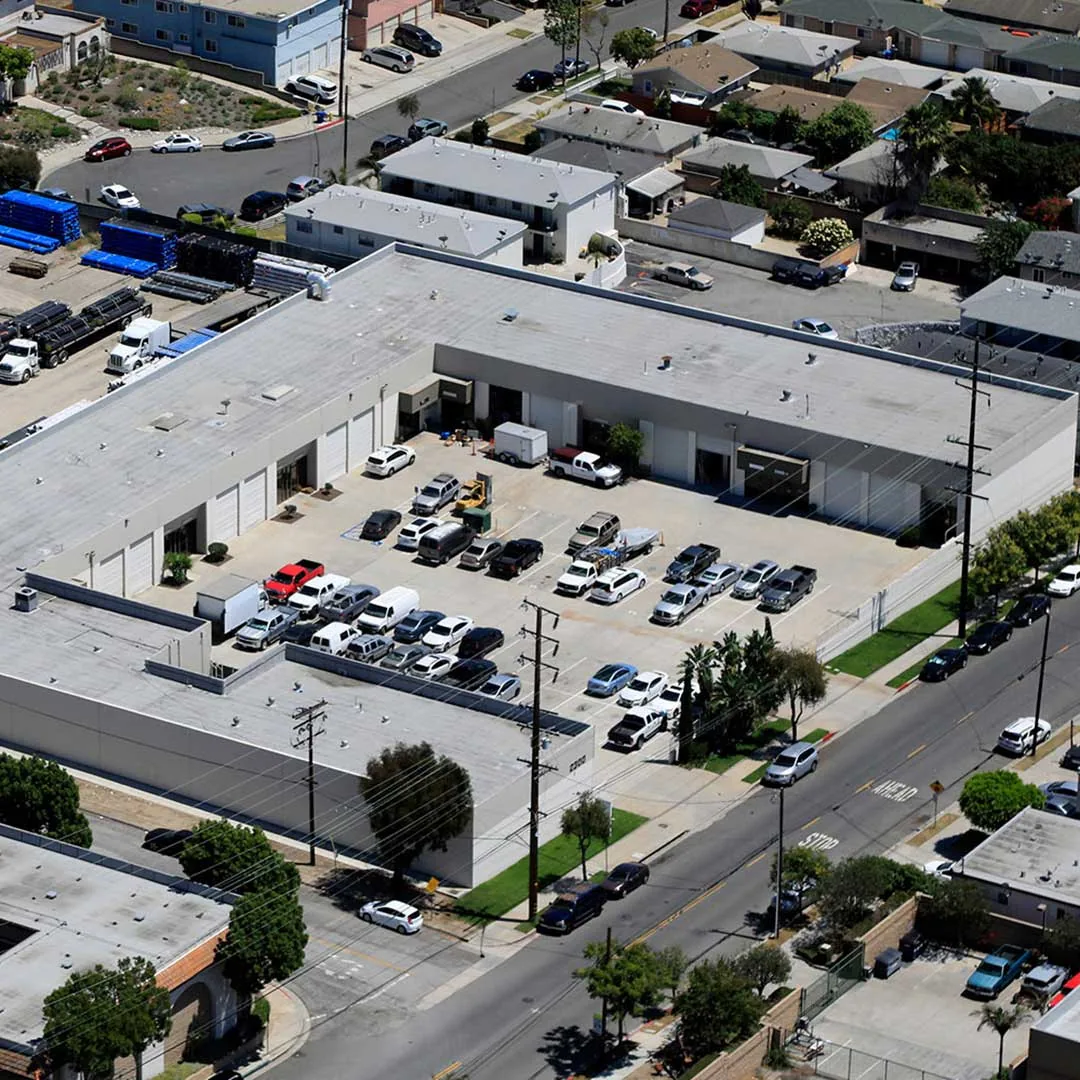
Ten buildings with ten separate roofing contacts produce ten different standards of record. One has photographs, another has a verbal history, a third has an invoice and nothing else. When the portfolio manager asks which roof to fund first, the answer depends on whoever picks up the phone. A multi-site roof program puts every building on the same condition scale, the same inspection cadence, and the same reporting format, so the next dollar goes to the roof where it reduces the most risk. In Peoria, AZ and across the West Valley, we run that program with one point of contact and a schedule built for operating properties.
Rate every roof on one scale
The program starts with a common vocabulary. Each roof area is rated on membrane condition, seams and laps, flashing and terminations, drainage, penetrations, and moisture findings. Ratings are tied to photographs so two people reading the file reach the same conclusion. A warehouse and a retail strip then compare directly, even though they carry different systems and ages.
With that scale in place, the portfolio view becomes practical. Roofs rated for immediate repair are separated from those that need monitoring, restoration, or replacement planning. The shared record also feeds the roof asset management file for each building, so history accumulates in one format.
The scale also protects against reviewer drift. When different inspectors rate different buildings, one person’s fair is another’s poor. We use the same checklist, the same photograph standards, and the same wording for each rating. A manager comparing two roofs can trust that a rating means the same thing on both.
Set an inspection cycle that follows the weather
Heat and monsoon season set the rhythm. A spring visit finds what the cooler months left: open seams, loosened edge metal, and drains that need clearing before storms. A post-monsoon visit documents the effect of wind, hail, and short bursts of heavy rain. The National Weather Service lists damaging wind, hail, and flash flooding among monsoon impacts for the Phoenix area, and a program that visits only on request misses damage that builds between calls.
Our preventive roof maintenance visits fit into this cycle. Crews clear drains, photograph conditions, and make minor repairs on the spot, then update the building record. Items that exceed routine repair go onto a list for owner decision with a recommended timing.
Heat cycles add a second trigger. Summer heat stresses sealants, flashings, and exposed membrane in a long stretch of triple-digit days (about 94 a year by Phoenix records, an air reading and not a roof temperature). Roofs with known edge or seam weaknesses go on a shorter interval, while stable roofs stay on the standard cycle.
Sequence repairs by risk and by occupancy
Not every defect carries the same exposure. A leak above server equipment or a medical suite ranks above a cosmetic edge problem at a storage building. We assign each open item a priority from the condition scale and the consequence of failure, then sequence work by risk, geography, and tenant constraints. Grouping nearby buildings cuts mobilization effort, while sensitive properties get scheduled outside peak operations.
For properties that stay open throughout, we coordinate with managers on roof access, noisy work, and staging, as described in occupied building reroofing. A program that respects the tenant calendar prevents the complaints that make owners reluctant to approve work.
Emergency calls fit the same structure. When a storm opens a roof, the response crew works from the building file, so the first visit already knows the roof layout, the drain locations, and the access route. Temporary repairs are logged and then folded into the permanent repair plan.
Report in a form portfolio managers can use
Reports follow a consistent layout: a summary table with one line per roof, the condition rating, open items, recent work, and next action. Detailed pages sit behind each line. Managers can review the table in a few minutes and open the detail where a decision is required.
Quarterly or semiannual summaries show change over time. A roof that moves from fair to poor between visits triggers a conversation before a leak does. The capital plan draws from the same table, so budget requests rest on documented conditions across all sites.
Cost reporting is separated into recurring visits, repairs, and capital items, so a manager can see what each building costs to hold and where the spending is rising. A roof that keeps drawing repair dollars is flagged for a replacement or restoration review before the pattern becomes a habit.
Cover the West Valley without losing local detail
A portfolio spread across the Valley meets different building stock in each place. Peoria, with a 2025 estimated population near 200,881, includes suburban retail, industrial, and the north Peoria planning area along Loop 303. Surprise’s City Center is identified by the city as a one-square-mile downtown development area with commercial service, healthcare, hotels, retail, mixed-use, and employment categories, which suggests a different roof mix than a suburban strip. We keep a record of each building’s own details while the program standards stay constant.
Work extends to Surprise, Glendale, and Phoenix within one program, and the reporting does not change when the address does.
Peoria also carries retail and health-care activity, with a 2022 Census tally of about $4.9 billion in retail sales and about $1.4 billion in health-care and social-assistance receipts. Those totals describe the local economy rather than any roof, but they point to the mix of retail and medical properties that a manager in this market is likely to hold side by side, and a shared scale lets them be compared fairly.
Commercial Roofing Questions
How many buildings does a portfolio need before a program makes sense?
The structure helps as soon as a manager is coordinating roofs with different histories, which often means three or four buildings. Smaller groups benefit from shared records and a regular visit schedule. Larger portfolios gain more from the sequencing and reporting, because the cost of unplanned repairs grows with the number of roofs.
Can the program include buildings that already have different roofing contractors?
Yes. We inspect and record the roofs as they stand, and work within any active warranty terms. Existing contractors can continue on warranty work, while we handle inspection, reporting, and repairs that the manager assigns. The shared record makes it easier to see who did what and when.
What happens after a severe monsoon storm hits only part of the portfolio?
We inspect the roofs in the storm path first, compare them with their last photographs, and report new damage by building. That helps the manager decide which properties need emergency attention and which can wait for the next scheduled visit. Where hail is involved, the October 2010 metro storm is a reminder that damage can be extensive but uneven across properties.
Do shared standards flatten differences between a warehouse and a medical office?
The condition scale is common, but priorities are not. A medical office with sensitive interiors ranks a small leak higher than a storage building would. The program records the use of each building, the consequence of failure, and the access rules, then ranks work on that basis.
How are costs organized for budgeting across the sites?
We separate recurring maintenance, repairs, and capital projects. Recurring visits are scheduled and budgeted by building; repairs are reported as they occur; capital items are forecast from the condition table. The manager sees each category by site and for the whole portfolio.