Commercial Roof Coating Restoration in Peoria, AZ
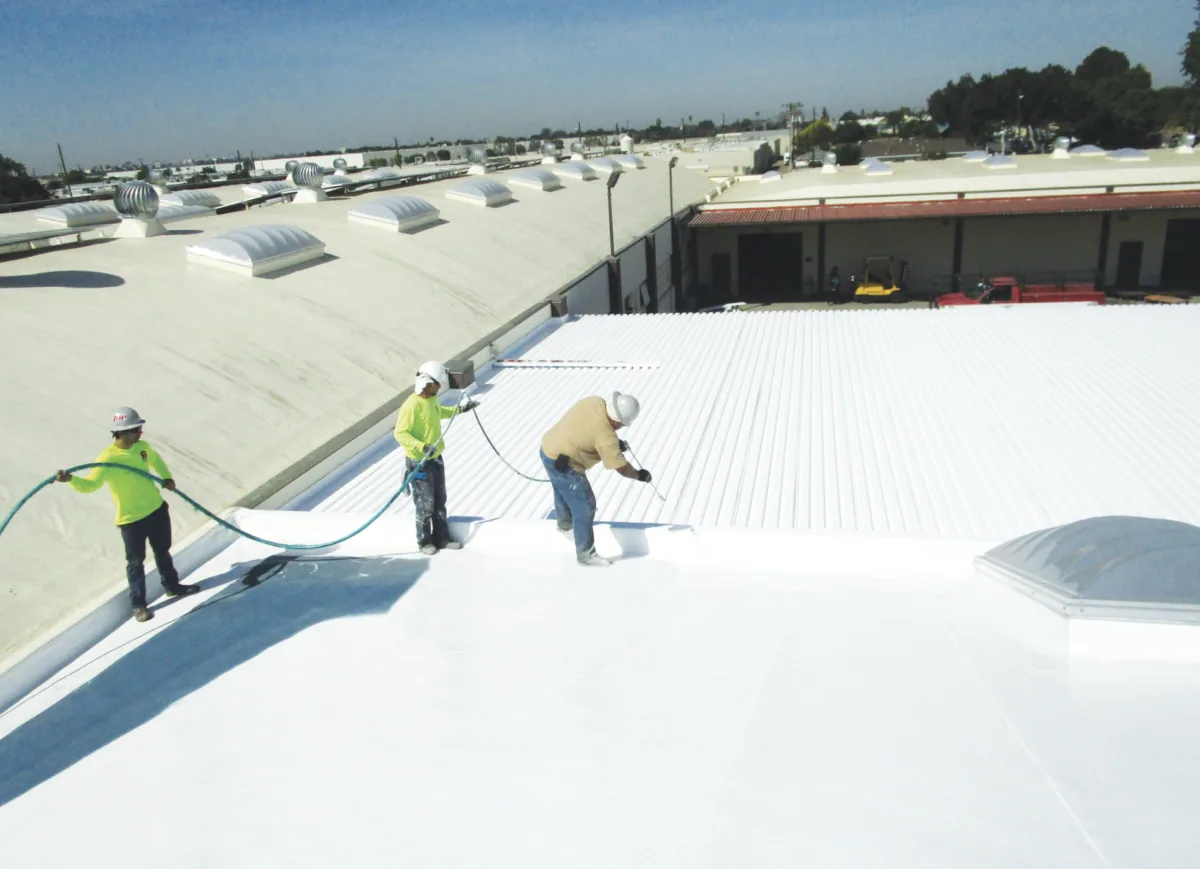
A coating can renew a roof surface, but only when the assembly underneath is fit to remain. In Peoria, AZ, heat and UV exposure make the condition of the existing membrane, seams, and penetrations central to that choice. We inspect adhesion, moisture, drainage, and prior repairs before recommending a coating. If the substrate is wet, unstable, or poorly detailed, a reflective finish will not correct the failure. The scope starts with preparation and repair boundaries, then names the coating system and coverage that the roof can support. The owner can compare that path with replacement or a recover evaluation.
Test the surface that will carry the coating
We check what material is already on the roof, whether it is bonded, and how it responds at seams, flashings, and repairs. Loose coating, chalking, blistering, contamination, and moisture can prevent adhesion. Representative test areas help assess compatibility and preparation needs. We also look for ponding, open laps, splits, and damage at equipment curbs before deciding that a coating is appropriate. Each condition receives its own repair or test note. Applying more material over a moving or wet assembly can hide the concern without stabilizing it.
Phoenix climate records contain many high-temperature days, but the air statistic is not a roof-surface reading. A coating project still needs a work window that meets product conditions and gives prepared areas time to cure. We plan the sequence around expected exposure and protect transitions as each roof section is completed. For a property near the Loop 303 employment corridor, large roof areas may need phased access so operations and materials can move without crossing a wet or unfinished surface. A hands-on inspection records the substrate and details before the bid scope is fixed.
Resolve moisture and water flow first
Coatings are not a moisture-removal system. We investigate suspected wet insulation with visual review, infrared screening, and selective core cuts where the result will change the recommendation. Confirmed wet materials are removed or addressed before coating. We also trace water flow and evaluate drains, scuppers, and low areas. If ponding remains, the owner should understand whether slope correction or a drainage change belongs in the project. Coating an area that holds water can expose the system to extended contact and shorten the usefulness of the restoration.
The Loop 303 plan identifies separate commercial and business or industrial land uses across its study area. A wide roof in that corridor still needs a building-specific moisture map; the land-use plan does not identify roof construction or condition. We label tested areas and note the limits of each sample. Where moisture patterns are unclear, an infrared and core-cut survey can define removal areas. Drainage corrections can be added through a drain and scupper repair before coating begins.
Repair seams and transitions before application
Preparation takes more than washing the field. We correct open seams, failed flashings, punctures, and edge conditions that would remain weak under a new coating. Curbs, pipes, supports, skylights, and wall transitions need compatible reinforcement or separate flashing work. We protect drains and equipment, remove loose material, and prepare the surface to the coating manufacturer’s requirements. The scope identifies repair materials and transition details so the owner can see where the coating stops and a separate component begins.
Arizona monsoon guidance includes damaging winds, hail, and flash flooding as possible regional impacts. That exposure makes perimeter attachment, drainage, and waterproofing at transitions important, but it does not prove damage on a specific property. We inspect the actual roof and correct its observed issues. At Park West, retail and dining operations can influence staging and access near the work area. We plan material delivery and route separation with the property contact. Where edge metal requires rebuilding, coping and perimeter work should be completed as part of a durable coating scope.
Select a coating for the existing assembly
Acrylic and silicone coatings behave differently and require different conditions and maintenance. We evaluate the roof material, existing coating, slope, exposure, and expected water contact before selecting a system. The coating thickness and reinforcement plan must match the product requirements and substrate. We do not assume that a coating labeled for one roof type suits every surface. The estimate describes preparation, primers if required, reinforcement at details, field application, and the inspection points used to confirm coverage.
Peoria adopts the 2018 International Building Code with city amendments, and the city also applies the International Energy Conservation Code to energy-efficient design. Which edition governs a coating job is something the design team confirms with the permitting office. A coating may affect surface reflectance, but it does not substitute for insulation or solve a drainage issue. If the owner is comparing an acrylic coating with a silicone system, we explain compatibility and water exposure rather than promise a universal service life.
Control application and cure conditions
We divide the roof into sections that can be prepared, coated, and secured within the conditions required by the product. Surface temperature, moisture, wind, and dust can change whether application should proceed. A monsoon forecast may require a different daily stop point; freshly applied material needs protection from rain until it reaches the required cure. We coordinate access for building staff and mechanical trades so they do not cross uncured areas or disturb new flashing work. If conditions fall outside the safe application window, the sequence pauses rather than leaving a questionable finish.
Entertainment and hospitality uses near P83 and industrial operations along Loop 303 do not follow the same daily schedule. We agree on staging, drains, delivery paths, and equipment shutdowns with each property contact. A coating job can often avoid full tear-off, but the building remains occupied by people and systems that need protection. We identify odors, access restrictions, and work zones before setup. If an unexpected wet or unsound section appears, we stop the affected area, document it, and revise the scope before coating continues.
Protect the restored surface with a record
A restored roof needs scheduled checks of adhesion, film wear, drainage, and details. We document the applied system and repaired transitions, then identify what should be inspected during maintenance. Foot traffic, equipment service, weather exposure, and debris can affect a coating over time. A maintenance visit can clear drains, look for cuts or lifted areas, and address small defects before they expand. The owner should retain the product and application record with the roof history so future repairs use compatible materials.
For a portfolio across Peoria and Surprise, records should remain assigned to each building and system. Surprise City Center includes multiple commercial, service, healthcare, retail, and employment uses, but a district description does not establish any one roof’s coating eligibility. We base the next service date on observed condition and the coating requirements. A maintenance program can carry the roof from restoration into planned inspections and capital review.
Commercial Roofing Questions
Can any commercial roof be coated?
No. The existing assembly must be dry enough, stable, compatible, and properly prepared. We inspect seams, transitions, drainage, and prior coatings, then test adhesion where needed. If moisture or deterioration is widespread, repair, recover, or tear-off may be the better path.
Does coating stop ponding water?
A coating does not correct a low area or blocked drain. We review slope, drains, scuppers, and overflow paths first. If standing water remains, we identify whether drainage correction belongs before coating so the finished surface is not asked to solve a separate roof geometry problem.
How do you choose between acrylic and silicone?
We compare the existing roof material, water exposure, compatibility, application conditions, and maintenance expectations. The system needs to match the substrate and details. We explain why one option fits the assembly and where separate repairs or reinforcement are needed.
Can the coating be applied in hot weather?
The product’s application limits and the roof’s actual surface conditions control the work window. Regional air-temperature records do not substitute for measuring the roof. We schedule sections to protect preparation and cure, and pause if wind, dust, moisture, or heat makes the finish unreliable.
What happens if you find wet insulation during preparation?
We stop the affected section and document the layers and area. Wet insulation cannot simply be sealed under a coating. We remove or correct the affected materials, inspect the remaining substrate, and adjust the boundary before resuming the restoration.