
Commercial Roof Edge Metal, Coping, and Gutters in Peoria, AZ
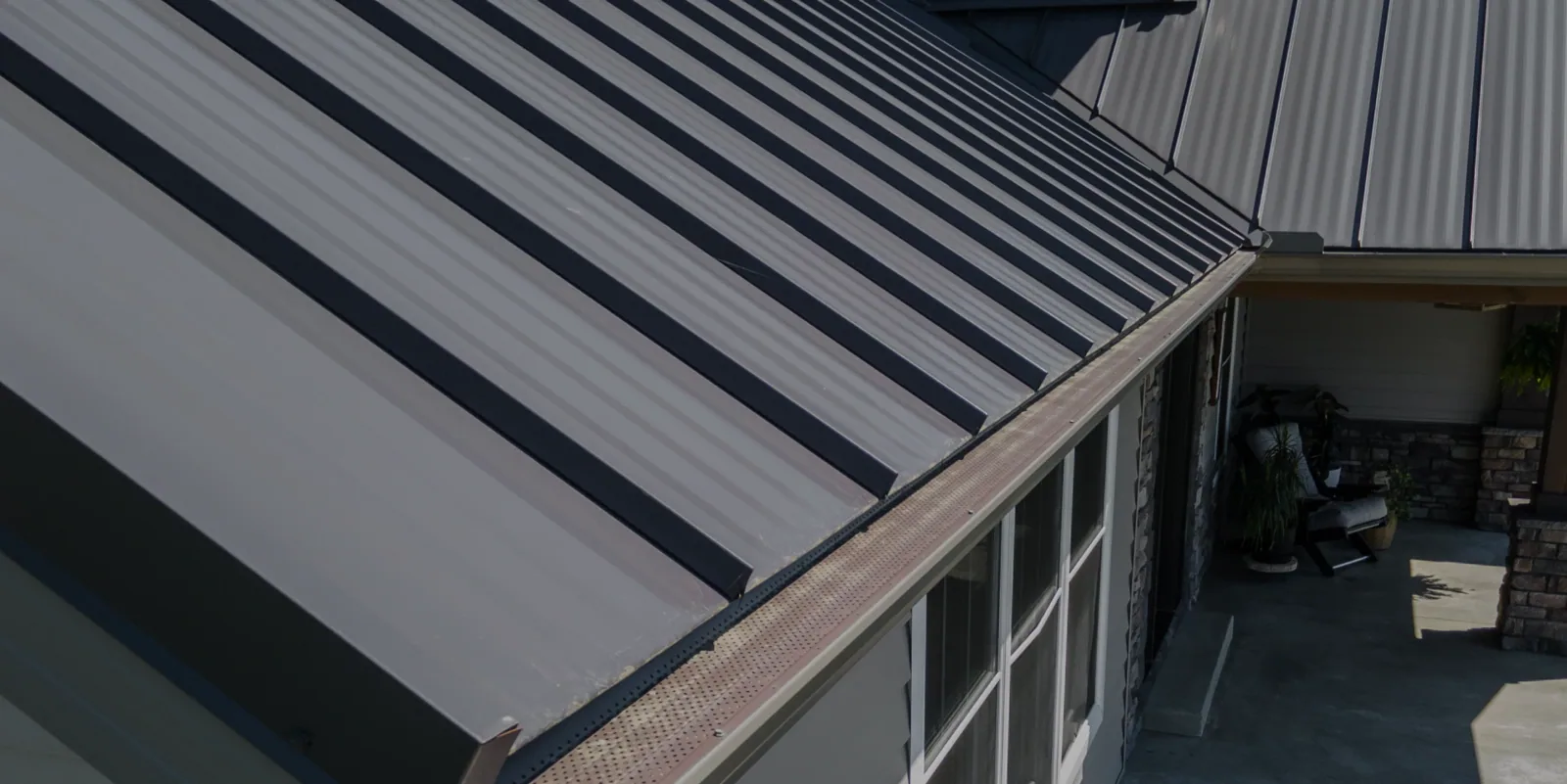
A loose coping joint can send wind-driven water behind the roof edge before anyone notices an interior stain. In Peoria, AZ, heat cycling and monsoon wind make perimeter attachment, laps, and terminations worth inspecting as part of the roof system. We check the metal, membrane, fasteners, joints, and drainage path before recommending a repair. A replacement piece is only useful when it reconnects the edge to sound substrate and sheds water correctly. We document the condition and plan the repair boundary with the adjacent membrane so the roof perimeter works as a continuous detail.
Follow the perimeter from roof field to wall
We inspect coping caps, gravel stops, fascia, cleats, seams, fasteners, and the termination of the roof membrane. Signs of movement, corrosion, open joints, loose sections, and separated sealant can point to a failed connection. We also check whether water can pass behind the metal or spill onto a wall or walkway. A short photo record identifies the affected run and the relationship to nearby parapets, corners, and equipment. If only a joint has opened, the repair may be local; if attachment has failed along a longer run, the scope must address the full section.
Peoria’s Loop 303 planning area links commercial and employment uses along several arterial connections. Buildings near that corridor can have different parapet heights and roof edges, so we measure the actual condition instead of carrying a detail from one building to another. For roof sections with membrane turn-ups, we coordinate edge repair with membrane work and an appropriate drainage review.
Allow metal to move without opening the joint
Metal expands and contracts with temperature changes. A coping or edge detail needs fastening and joint spacing that secure the assembly while allowing movement. Overdriven fasteners, rigid bridging, or an improvised seal can leave a joint stressed or direct water under the cap. We inspect cleats and attachment, then determine whether a section should be reset, resealed with compatible material, or replaced. The repair must also protect corners and transitions, where the edge turns into a wall or roof penetration.
Phoenix climate records show a high count of days reaching at least 100°F, but regional air temperatures are not a measurement of metal surface temperature. Heat still informs the movement we evaluate and the conditions under which materials are installed. We plan preparation and sealant work within product limits. On a retail roof near Park West, the property contact may also need delivery routes kept separate from the perimeter work. Park West sits by Loop 101 at Northern Avenue, which helps plan site access, though the roof details at each tenant space still have to be read on the roof.
Rebuild coping and flashing as one transition
At a parapet, coping protects the top of the wall and the roof membrane termination below it. We inspect the cap, splice plates, cleats, fasteners, corners, and sealant joints, then check whether the wall flashing remains tied to the roof. If the cap is loose but the membrane termination is sound, the repair can focus on attachment and joint closure. If water has moved behind the flashing, opening the assembly may be needed to replace wet or deteriorated material. We state which conditions are visible and which will be confirmed after removal.
Monsoon guidance for Arizona includes damaging wind and microbursts, with hail and flash flooding among possible storm impacts. That context makes secure perimeter detailing important but does not establish damage at any one building. We inspect the actual cap and attachment. If the roof section has a reported uplift or leak, an edge and wind assessment can document the change. For a new assembly, the membrane termination should be coordinated with the selected roof system and edge component.
Carry runoff away from the building
Gutters and downspouts collect water from roof edges and direct it away from walls, entries, and foundations. We check slope, hangers, seams, outlets, downspout connections, and overflow paths. A blocked or undersized route can spill water across a walkway or back toward a roof edge. We also look for overflow staining and damage where runoff lands. If the gutter itself is sound, clearing and maintenance may be enough. If metal has separated or the outlet is damaged, a repair should restore the path rather than add sealant around a moving joint.
The Peoria downtown zoning framework anticipates civic, residential, commercial, and employment uses in a compact mixed-use area. At a building there, safe discharge near pedestrian routes can be part of the repair plan, while a property in the Loop 303 area may have a different loading or access pattern. We verify the site drainage and coordinate with the building team. When a downspout or scupper repair connects to a low roof area, we review the drainage path rather than treat the metal run in isolation.
Protect operations while the edge is open
Metal work may require access along the building perimeter, movement of long panels, and protection below the roof. We coordinate staging, lifts, loading, and pedestrian routes before removing a cap or gutter section. If the building remains occupied, we contain the work area below and schedule noisy steps with the facility contact. The open roof edge should be protected at the end of each shift. Weather or wind can change the sequence; we secure the area before leaving instead of leaving a long run exposed.
For a multi-tenant property near P83, customer and delivery activity may affect where materials are staged. The city plan identifies a mixed-use district, but each property’s actual schedule controls the work. We coordinate access with management and protect entrances. If the repair uncovers membrane damage, we document it and present the added scope before proceeding. A temporary dry-in response can address active entry while permanent perimeter fabrication is prepared.
Record the edge detail for future service
Closeout notes which perimeter run was repaired, how the metal is attached, what membrane transition was restored, and any remaining movement or drainage concern. Photos capture seams and corners from consistent viewpoints. The property team can use that baseline during maintenance and after future weather. If the same run loosens again, the record helps determine whether the issue is attachment, substrate, movement, or a separate roof condition. We identify whether the repair is complete or if another section still needs inspection.
Owners with properties in Peoria and Surprise can keep separate edge histories while using similar report labels. We do not transfer one building’s coping detail to another. If perimeter problems recur across multiple roof areas, a condition report can compare them with other findings, and scheduled maintenance can keep the repaired joints on the inspection route.
Commercial Roofing Questions
Can you replace only a loose section of coping?
Yes, when the adjacent cap, cleats, membrane termination, and substrate remain suitable. We inspect the transition around the loose piece and define how the new section will connect. If attachment has failed along a longer run, replacing only one short segment may leave the cause in place.
Why does sealant keep cracking at the edge?
Movement, poor surface preparation, incompatible material, or failed attachment can stress a joint after sealing. We check the metal connection and membrane transition before applying more sealant. The repair should address the component that is moving or letting water behind the edge.
Do you repair gutters and roof metal in the same visit?
We can coordinate them when both conditions are accessible and the work sequence protects the roof and building. The scope identifies the gutter run, downspout connection, coping, or edge section involved. If one defect affects another, we describe the transition and repair them as a connected water path.
Can wind lift the coping without tearing the membrane?
It can move metal or attachment while the visible roof field appears intact. We inspect cleats, fasteners, joints, corners, and the membrane termination to see what changed. A roof-level examination is needed before concluding that the assembly below remains unaffected.
How should runoff be directed after gutter repair?
We inspect the outlet and discharge route so water moves away from roof edges and building entrances. The correct path depends on the property’s existing drainage layout. We note any site condition that needs coordination with the building team before redirecting discharge.