
Acrylic Roof Coatings in Peoria, AZ
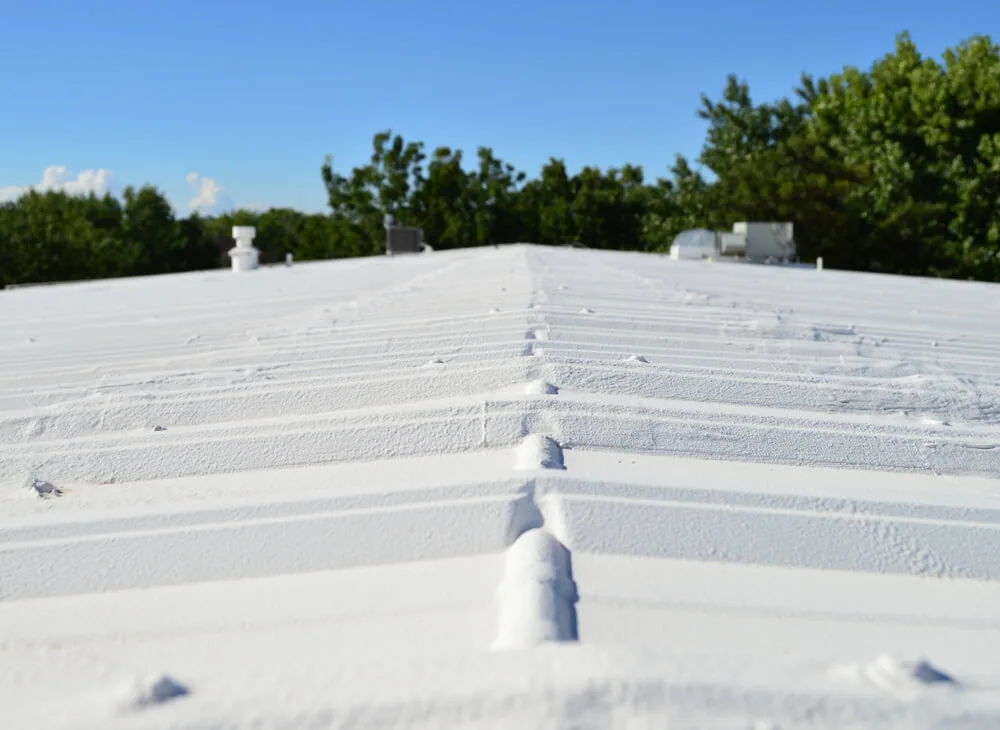
An acrylic coating needs a dry, compatible surface and functioning drainage before it becomes a viable roof scope. In Peoria, AZ, heat and brief heavy rain make preparation and the work window part of the owner’s decision. We inspect the existing membrane, coating, seams, flashings, and outlets before discussing a recoat. The restoration review defines the substrate repairs and test areas separately from the finish coat.
Confirm the Surface Before Recoating
We check adhesion, chalking, contamination, loose coating, open seams, and wet areas. The selected acrylic product must be compatible with the existing roof and applied within its current weather and substrate limits. A test patch can show whether cleaning or primer is needed. The report identifies the location and result, then maps any area that still needs an opening or separate repair.
Preparation may include washing, controlled drying, removal of loose material, and priming where the selected product requires it. A crew should not coat over dust, residue, or a wet surface to protect the calendar. We record the roof section prepared and any change in conditions before the next layer goes down. This gives the owner a clearer basis for reviewing adhesion concerns later, especially when the prior coating history is incomplete.
A coating cannot make a damp or detached assembly sound. Where water may have entered insulation, compare the leak map with drains, penetrations, and transitions. A moisture survey can narrow test locations when the roof construction and conditions support it, while a core opening confirms only the layers at its location.
Keep Water Moving to the Outlets
Acrylic roof coatings are generally selected for roofs with positive drainage. Standing water can exceed the limits of the specified product and shorten coating performance. We inspect slopes, low areas, drain bowls, scuppers, and overflow paths, then note whether correction is needed before application. The proposal should not turn an unresolved drainage condition into a coating allowance with no defined quantity.
Arizona monsoon storms can bring short-burst rain, flash flooding, and damaging wind across the Phoenix area. That regional pattern makes outlet condition and perimeter details worth checking, but it is not proof of water accumulation at a property. A drain and scupper assessment records actual flow conditions before the coating is selected.
Repair Seams, Curbs, and Edges First
Coating field area and roof details are different scopes. We inspect seams, penetrations, curb walls, edge metal, terminations, and prior patches for movement, corrosion, open joints, or trapped moisture. Reinforcing fabric or a compatible sealant may be appropriate only where the product detail calls for it. The scope names the locations and method, then records the completed detail before the field coating is applied.
The P83 district is near Loop 101 and Bell Road and includes a mix of commercial and other planned uses. That area context does not reveal an individual roof’s assembly or operating schedule. For properties near the district, we ask the owner for equipment, access, and tenant restrictions. The curb and equipment review can identify penetrations that need coordination.
Use Peoria Weather as Context
Phoenix historical climate records average roughly 94 days per year at or above a 100 degree high. This air-temperature history is not a measurement of coating or roof-surface temperature. We check conditions at the site and follow the selected acrylic product’s limits for temperature, moisture, and curing. A project near a planned district still needs its own surface inspection and weather window.
Peoria’s 2025 planning materials describe a 7,000-acre north corridor that may combine employment, advanced manufacturing, commercial, residential, and open-space uses. It is a planning area, not completed building stock. A facility near the Peoria Innovation Core will have its own access and operating requirements. The north Peoria corridor review can identify the broader location while the roof assessment remains tied to the property.
A reflective coating color does not establish a specific energy result. Roof assembly, insulation, ventilation, occupancy, and equipment load all affect building performance. We can document the surface treatment and system layers, then leave energy modeling to the project team if it is part of the capital review. The roofing scope should state material and measured application requirements, not promise a utility reduction that has not been calculated for the building.
Compare Acrylic With Other Treatments
Acrylic may be considered when the substrate is compatible and drainage moves water as intended. Silicone products may tolerate different exposure conditions, but the selected product instructions control that choice. Review silicone coating requirements alongside the acrylic option, then compare repair, recover, and replacement based on moisture, attachment, coating adhesion, and remaining service life. A repair scope may be more appropriate when failures remain localized.
If the roof system itself is uncertain, identify its membrane and layers before choosing any coating. A TPO system assessment can help frame material compatibility after field verification. The owner should compare what each proposal corrects, what remains open, and which test could change the capital decision.
Application timing also affects the scope. The proposal should identify cure or recoat intervals, surface temperature requirements, rain exposure limits, staging, and protection for rooftop equipment. These are product-specific conditions, so the chosen manufacturer instructions govern the work plan. If the roof cannot stay dry for the required window, the owner may need a different schedule or repair sequence. The comparison should show that constraint rather than assume the coating can be placed in one uninterrupted visit.
A coating quantity should follow measured roof areas and detail transitions. We separate material on field sections from flashing, curb reinforcement, and drain work. That makes it easier to see what the proposal covers and what could be added only after an approved change. Any test patch should be located and photographed before the full application begins.
Track the Coating Record
Retain the inspection date, roof plan, test results, preparation steps, product identifier, application conditions, repair locations, and closeout photographs. Note roof areas excluded from the scope and any drainage or moisture question still open. This lets the next inspection compare the same conditions rather than repeat an undocumented surface review.
For an owner evaluating the Peoria market, P83 and the north Peoria planning corridor are distinct area references. The planned uses in the north corridor do not predict what has been built or the roof system at an address. The local context can remain with the roof evidence, while a Peoria property visit starts with the precise entrance, roof access contact, and operating schedule.
Commercial Roofing Questions
When does an acrylic coating fit a commercial roof?
It may fit a compatible substrate with functioning drainage and a coating layer that can accept preparation. We inspect the roof, test adhesion where needed, and identify repairs before pricing the application. Product instructions control surface and weather requirements.
Can acrylic coating be applied over standing water areas?
Do not assume that it can. We review low areas and outlets, then compare actual water exposure with the selected product’s limits. Drainage correction may be needed before the coating scope proceeds.
How long must the roof stay dry during application?
The required dry window depends on the selected product, application thickness, temperature, humidity, and forecast. We check current manufacturer instructions and jobsite conditions before setting the work sequence.
Does a reflective coating add insulation?
A coating changes the roof surface but does not replace missing or wet insulation. We assess the layers and identify any insulation work separately so the owner can compare the full assembly scope.
What should I compare in acrylic coating bids?
Compare substrate preparation, adhesion testing, repairs, drainage exclusions, product and thickness, weather limits, access assumptions, and closeout records. The proposal should show the exact areas included and what could change the scope.