Commercial Cool Roof Installation in Peoria, AZ
A reflective roof finish can look like an easy energy decision until the existing membrane, drainage, or insulation condition is brought into view. In Peoria, AZ, heat exposure makes surface choice relevant, but it does not tell us whether a particular roof is ready for coating or replacement. We inspect the assembly, check prior repairs, and identify what performance question the owner wants the work to address. A roof inspection can separate a surface improvement from a roof condition problem that needs repair first. The scope should state what changes, what remains, and which result can be evaluated after installation.
Connect the finish to actual exposure
A reflective membrane or coating changes how the roof surface handles solar exposure. That can be useful, but surface reflectance alone does not repair a split seam, wet insulation, or blocked outlet. We review the membrane, penetrations, perimeter metal, and water path before selecting a finish. Phoenix records show roughly 94 days in an average year with a high of at least 100 degrees. That is an air-temperature measure for the region, not a roof-surface reading or proof of a particular building's heat load. The roof itself still needs inspection.
Peoria's P83 district is identified near Loop 101 and Bell Road, with a broader commercial, hospitality, employment, and residential mix. That context can inform a facility conversation about operating schedules and rooftop access, not claims about a specific building. We document roof use and condition before comparing a reflective surface with other options. The P83 district gives local context while the repair boundary remains specific to each roof area.
Test what will receive the new system
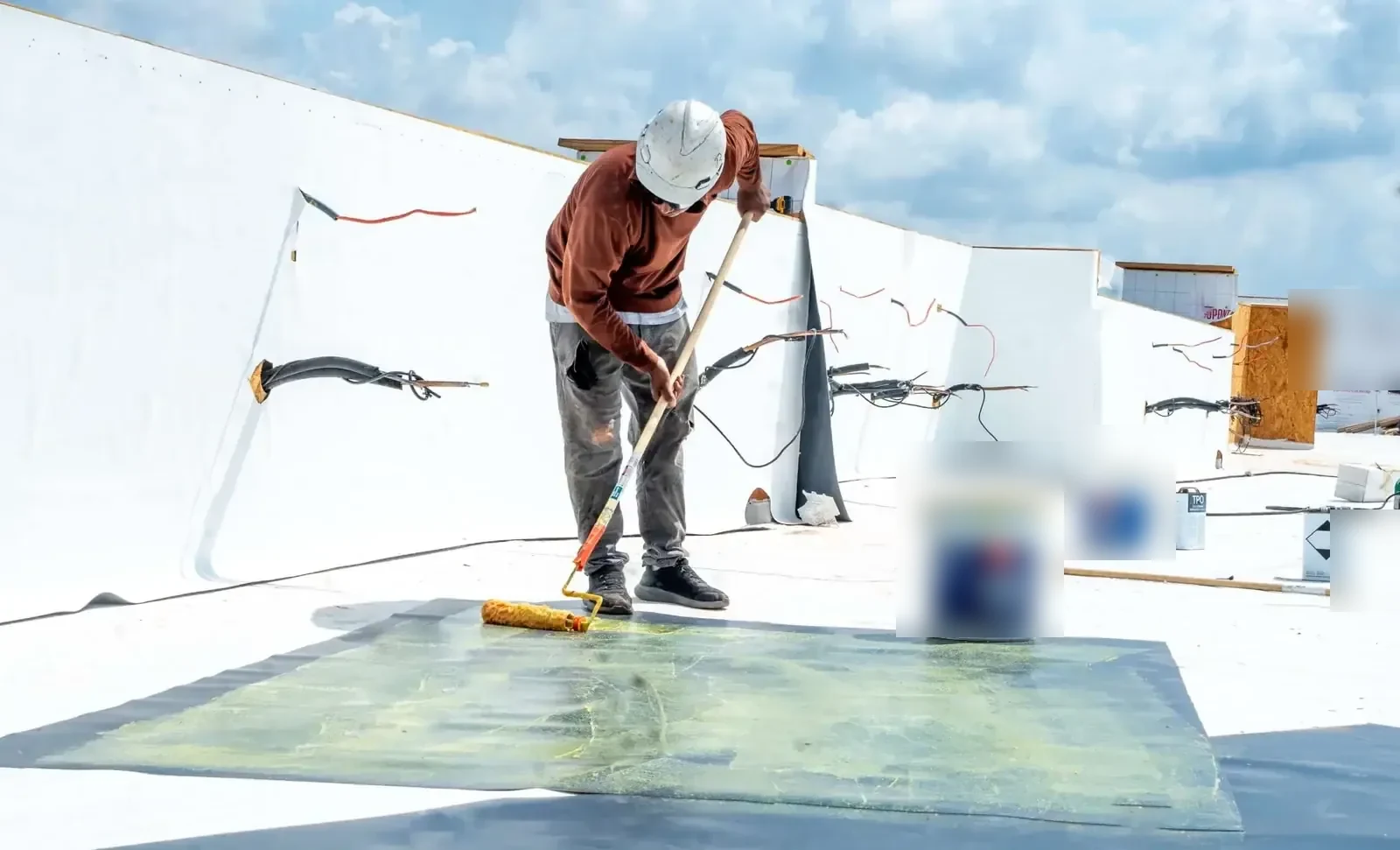
Coating depends on adhesion and substrate condition. We clean and prepare the roof, test representative areas, and inspect seams, fasteners, repairs, and transitions. A loose or chalking surface can compromise the bond. If water has entered the insulation or the membrane is no longer stable, a coating may conceal deterioration without correcting it. We identify needed repairs and testing before the owner compares restoration with replacement. A coating restoration scope can include surface preparation, detail repair, and application only where the assembly supports it.
Park West sits beside Loop 101 at Northern Avenue and is described by the city as an open-air retail and dining center with multiple businesses. For commercial properties in that district, work timing may need to respect deliveries and roof access, but we confirm each building's operations directly. The roof condition, not the district label, sets whether coating remains an option. A Park West review can tie the site context to an inspection without assuming every roof has the same membrane.
Resolve drainage before choosing reflectance
A roof that holds water needs a drainage decision before its finish is selected. Coatings do not create slope, and standing water can challenge some systems outside their intended use. We trace flow to drains, scuppers, and overflow paths, then identify whether cleaning, repair, or tapered insulation belongs in the scope. If low areas remain, we record their extent and whether the deck or insulation should be tested. The drainage review can keep a coating estimate from treating ponding as a surface-only issue.
Peoria planning places a commercial core near Lake Pleasant Parkway and Deer Valley Road in the adopted Camino a Lago plan. That planned land use does not establish the construction status or roof design of any parcel. We assess actual elevations and outlets before recommending a reflective system there or elsewhere. The proposed roof plan should show water routes and perimeter conditions so the new finish does not become a substitute for drainage correction.
Match the finish to the assembly
Reflective options may include a factory-finished membrane or an approved coating over a prepared roof. The choice depends on the existing system, surface, attachment, exposure, and repair history. A silicone coating and an acrylic coating differ in how they handle water exposure and application conditions; we compare the product requirements with the roof rather than selecting by color. Where a single-ply membrane is appropriate, a TPO system may provide a different restoration path than a liquid-applied finish. We identify which transitions, edge details, and drains need work under either approach.
Peoria adopts the 2018 International Building Code as amended by ordinance and sends energy-efficient design to the International Energy Conservation Code. Which IECC edition applies is a point the project team settles with the city before a roof change is approved. We can also review insulation and cover board when the planned improvement includes assembly changes instead of a new surface alone.
Set the work window around the roof
Application timing depends on the substrate, air conditions, cure requirements, and forecast. We schedule preparation, repairs, and coating so the surface is clean and ready for each step. Dust, moisture, or an unexpected storm can affect the bond and finish. The plan identifies roof access, equipment areas, protection below, and the point at which the building can return to normal service. For occupied facilities, a phased roof sequence can limit disruption while keeping open areas watertight.
The P83 district's mixed-use context includes commercial and residential functions. We do not assume an operating pattern from that description; we ask when deliveries, maintenance, and tenant activity limit access. The owner also needs to know what must be moved or protected. If rooftop equipment blocks a coating path, we document the coordination needed before application instead of leaving a gap in the finish.
Measure the result against a clear baseline
A useful cool-roof project begins with a condition baseline. We record the membrane type, repair locations, insulation findings, drainage concerns, and the area included in the application. After work, the closeout identifies the system installed, preparation performed, and any excluded areas. If the owner's goal concerns energy use, building operation, or surface condition, those measures should be reviewed separately and compared with an appropriate baseline. We do not turn a reflective finish into a promised utility result.
For properties across Peoria, the capital planning record can state whether the reflective option protects a current replacement horizon or changes only the maintenance plan. Our recommendation includes the reason to coat, repair first, or defer. That gives the owner a decision tied to this assembly and the next review point.
Commercial Roofing Questions
Will a reflective roof lower our utility bill?
A reflective surface changes solar absorption. Building-level results also reflect insulation, HVAC, operating hours, and other conditions. We can assess the roof system and explain the scope, but we do not promise a bill reduction from the coating alone. If energy use is the goal, compare building records before and after under similar operating conditions.
Can you coat a roof that has ponding water?
We inspect why water remains and whether the selected system is suited to that exposure. A coating does not change roof slope. We check outlets and low areas, then recommend clearing, repair, tapered correction, or another roof option as supported by the findings.
How do you decide between a coating and a new membrane?
The existing surface, adhesion, moisture, repairs, and drainage set the boundary. We test the substrate and identify whether the assembly can remain. If it is stable, restoration may be considered. Widespread deterioration or wet insulation can move the decision toward replacement rather than adding another finish.
Does the work need a clear weather window?
Yes. The substrate must be ready, and the product needs suitable conditions to apply and cure. We check the forecast, sequence preparation and installation, and protect open areas if conditions change. The schedule should identify what can proceed and what must wait for the next dry window.
What should be recorded after installation?
We keep the system identification, preparation steps, repair map, application areas, and any exclusions with the roof file. Photos establish the finished condition. The owner can use that baseline for later inspections and decide what observation or maintenance interval makes sense for the assembly.