Commercial Roofing in Guadalupe, AZ
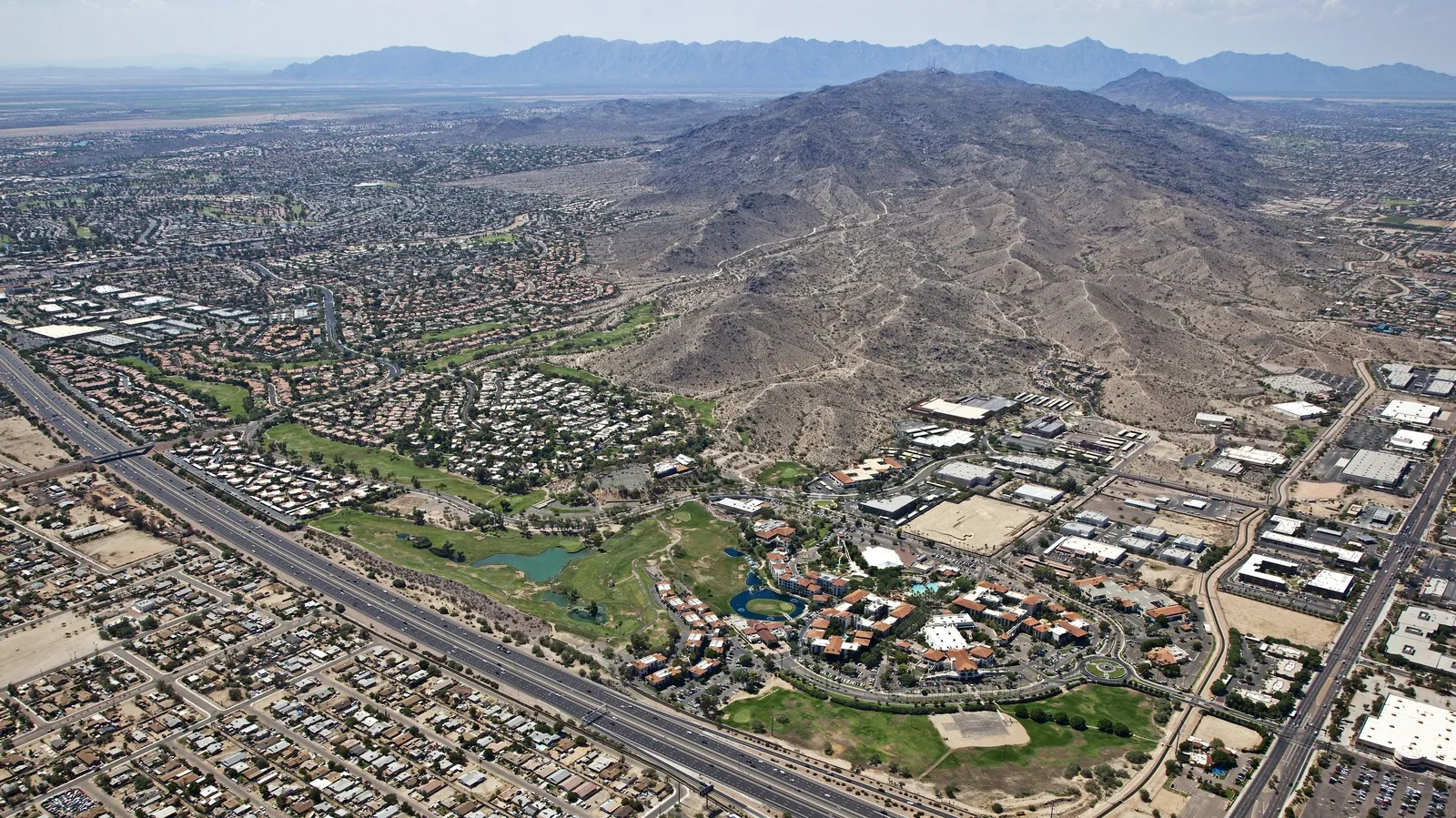
Guadalupe covers less than one square mile of land, and its 2022 retail sales were about $24 million. In a place that compact, a single failed roof is a bigger share of the commercial picture than it would be in a large city, and we do not assume what the roofs over that activity look like until we are standing on them. Small roofs fail in particular ways. A single drain, a single rooftop unit or a single wall flashing can account for nearly every leak. Guadalupe is about 35 miles in a straight line from Peoria, AZ. We start with the roof record and look for the one detail that explains the water before we price anything larger.
Find the one detail that explains the leak
On a small roof, the leak path is short. Water that enters at a drain collar, a pipe boot or a corner of a parapet has few places to hide, so the interior stain is usually within a few feet of the entry point. That makes diagnosis faster and repair cheaper than on a large roof, as long as the diagnosis is correct and not guessed.
We probe each suspect detail, test the drain for flow and check wall flashings for gaps and lifted terminations. If one detail accounts for the leak, a leak repair restores the roof and the owner's budget is protected. Interior notes help here: the time of day a drip starts, whether it follows rain or only wind-driven rain, and whether it appears near an outside wall or under the middle of the roof. Each of those answers points toward a different detail and shortens the search. If the repairs have already been repeated, we examine the surrounding membrane, since a roof that needs repeated patches at one spot may have wet insulation underneath that keeps pushing water out.
Measure heat damage on a low, exposed roof
Around 94 days a year in the Phoenix area hit 100 degrees or more. That is regional air and not a roof reading, but small buildings with little shade over the roof take the daily cycle directly. Membranes expand and contract, sealants lose elasticity and the surface chalks. Dark surfaces absorb more heat than light ones, which speeds the aging.
For a small roof in sound, dry condition, an acrylic coating can renew the surface and add reflectivity at a fraction of the cost of replacement. A coating does not fix damage beneath it, so we check seams, penetrations and moisture before recommending one. Our heat and UV damage repair work is aimed at stopping the next failure and not merely hiding the last.
Keep a short roof from drowning in a short storm
Flash flooding, hail and strong winds are the monsoon hazards the Weather Service names for the Phoenix metro. A small flat roof with one or two drains has little margin: a clogged drain or a covered scupper can hold water over a seam within minutes of heavy rain. Standing water adds weight to the deck and finds any weak seam.
We clear and test each outlet, confirm that overflow scuppers exist and are open, and check that the slope still carries water to them. If a low spot holds water after rain, a tapered insulation patch or a corrected outlet may solve it. Neglecting that low spot invites the ponding water damage that shortens a membrane's life.
Match the system to a small footprint
Small roofs bring their own material questions. A TPO membrane installs quickly and reflects heat, but it needs clean details at every wall and curb. Modified bitumen offers a rugged surface where foot traffic is expected. Coatings suit sound membranes. The correct answer depends on the existing roof, the number of penetrations and how the owner plans to use the building.
We compare the options on cost drivers: the amount of tear-off, the count of flashings, access for hoisting and the disruption to the tenant. For a very small roof, mobilization is a large share of the cost, so a repair-and-coat plan can compete with a replacement for several years. We state that comparison in the proposal and show the assumptions behind it, so the owner can see which line items are driving the number.
Read storm and hail evidence on a single exposure
NWS Phoenix logged heavy hail damage from the supercells that crossed the metro in October 2010. On a small roof, hail marks can be counted directly. We photograph dents in metal, bruises in cover board and cracks in old coatings, and mark them on a plan so the owner can see the pattern.
Wind from monsoon storms tests the edge metal and anything bolted to the roof. After a storm we check coping joints, fascia fasteners and equipment covers, and we fasten or replace what moved. Where damage is confirmed, our storm damage roof repair scope separates new impact damage from older wear, which gives the owner a clear record if an insurance claim is needed.
Set a service schedule the owner can afford
Owners of single buildings rarely have a roof budget line. A modest maintenance schedule changes that: two visits a year to clear drains, re-seal flashings and photograph the roof keeps the record current and catches small issues early. Over time the record shows how fast the roof is aging, and the owner can see when a replacement is likely instead of being surprised by it.
Our preventive maintenance visits report in plain language, with photographs and a ranked list of what to fix first. Owners with additional properties in Tempe or Phoenix can have those folded into the same schedule, and emergency calls are answered around the clock, all week.
Commercial Roofing Questions
Is a small commercial roof worth a full inspection?
Yes, because the inspection is short and the findings are specific. A single walk can identify the failing detail, record the membrane's condition and show whether a coating, a repair or a replacement belongs in the plan. For a small roof, the survey is a modest cost compared with a repeat leak inside the building.
What decides whether we coat the roof or replace it?
Moisture and seam condition decide. If the insulation is dry and the seams are sound, a coating can extend service life at lower cost. If wet insulation is present or the membrane is cracked through, a coating would trap the problem. We test before proposing either, and we put the results in the report.
Why does the same spot keep leaking after repairs?
The entry point may be somewhere nearby, or wet insulation may be pushing water back out through the patch. We trace the water path outward from the stain, test adjacent details and check moisture under the repair. Fixing the true entry point ends the cycle.
How much notice does a tenant need before roof work?
As much as the schedule allows. We share dates, the area of the roof being worked and the hours of noisy work with the tenant ahead of time, and we name a contact. For a small building the work often takes a few days, so a clear message early prevents problems.
What happens after a monsoon storm damages the roof?
We secure the opening first with a temporary seal and photograph the damage. Then we dry the area, assess the membrane and insulation and propose a permanent repair. Emergency response runs around the clock, so an after-hours storm leak is handled the same night.