
GAF Commercial Roofing Systems in Peoria, AZ
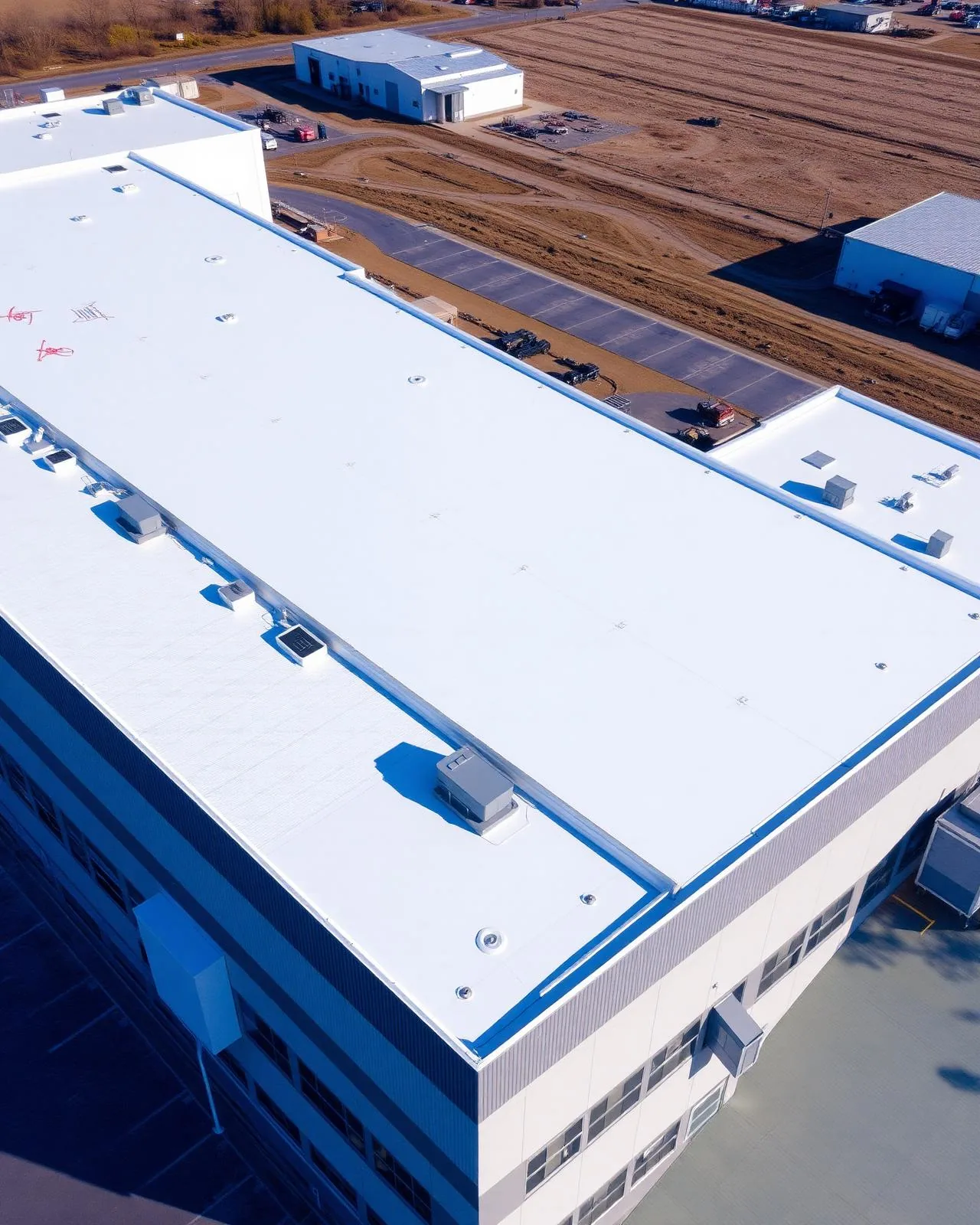
A GAF commercial roof is only as dependable as the details around it. The membrane can be sound across a wide field and still leak where a curb, a parapet turn, or a drain sump was finished with the wrong material. In Peoria, AZ, long heat cycles move those details every day, and monsoon rain tests them in short bursts. We install, repair, and maintain GAF commercial systems, including heat-welded TPO and modified bitumen, and we look at each roof as a set of assemblies with their own failure patterns. The goal is a written condition and a repair boundary the owner can use, not a blanket opinion of the brand.
Recognize the GAF systems on the roof
GAF supplies low-slope commercial products across several families. The most common on warehouse and retail roofs are single-ply TPO membranes, sold under the EverGuard name, and modified bitumen sheets that are heat-applied or self-adhered. Each family fails differently. A TPO roof depends on hot-air welded seams and clean flashings. A modified bitumen roof depends on lap integrity, granule or coating surface, and the stability of its base layers.
Before any repair, we identify the system from the field. Markings on the membrane, seam construction, fastener patterns, and the substrate beneath all matter, because a repair that suits one family can damage another. Where records are missing, we sample, photograph, and note what the roof appears to be rather than assuming a product line.
Heat-welded TPO from other makers, such as Carlisle SynTec or Versico, looks similar from the ground, and owners sometimes inherit mixed roofs after an addition. Keeping each area labeled by system prevents a repair crew from applying one maker’s method to another maker’s membrane.
Install to the manufacturer details, not to habit
Manufacturer specifications define substrate preparation, attachment, seam welding, flashing, and termination details for each GAF assembly. We build to the written details for the selected system, including fastener patterns, adhesive coverage where required, and edge securement. In Peoria, wind-driven rain and monsoon outflows make perimeter and corner details a priority, and the edge metal and coping work is checked against the roof assembly it protects.
A warranty issued on a GAF roof carries its own conditions, and the details we install are chosen so the owner can meet them. When a project calls for a manufacturer inspection or documentation, we coordinate the roof-side requirements and keep the photographs that support them.
Termination bars, counterflashing, and sealant joints at walls get the same attention as the field, since a clean field with a failed termination still leaks. We photograph each finished termination before the crew leaves the area.
Repair in a way that keeps the file intact
Most GAF service calls start with a leak. The cause is often a seam, a pipe boot, a failed sealant bead, or a patch made with the wrong material. We trace the water path, probe seams, check the flashing around penetrations, and identify whether the failure is isolated or repeated. Repairs use compatible TPO or modified bitumen methods and are logged with photographs.
Routine preventive roof maintenance keeps drains clear and seams checked before monsoon season, and it builds the record that a warranty review would want to see. Owners who keep a dated maintenance log have a stronger position if a defect appears, because the roof history shows what was done and when. We pair repairs with the warranty file so changes do not undercut coverage.
At Surprise and across the northwest Valley, retail and industrial roofs share the same weather, so one maintenance calendar can cover a group of GAF roofs even when the buildings differ in size and use.
Plan for heat, hail, and monsoon wind in the Valley
The Valley counts about 94 days a year at or past 100 degrees in Phoenix records, which describes the air and not the roof surface. It explains why thermoplastic surfaces, sealants, and adhesives are checked for movement and hardening. The National Weather Service lists microbursts, damaging wind, and hail as monsoon impacts, and supercells in October 2010 dropped large hail over the metro area.
For roofs near Loop 101 at Park West or in the business park records of Arrowhead, those exposures shape the inspection list: membrane surface condition, seam edges, wind-lifted flashing, hail bruising, and drain performance. Findings sort into repairs, monitoring, and replacement planning. When the evidence points toward a larger scope, a commercial roof replacement discussion rests on documented conditions.
Hail deserves its own line on the checklist. A bruised membrane may leak months later, so impact marks near drains and low points are photographed and revisited at the next visit.
Decide between repair, restoration, and replacement
The owner decision follows the evidence. A GAF membrane with sound seams and dry insulation may be a candidate for repair or restoration. Repeated seam failures, saturated insulation in separate areas, or a membrane that has lost flexibility and strength may point toward replacement. We state which condition applies and which findings would change the call.
Where infrared testing is useful, an infrared moisture survey separates wet areas from dry ones before scope is set. The result is a decision tied to this roof and this building, with the repair boundary drawn on the roof sketch.
Insulation and cover board come into the decision as well. If the existing polyisocyanurate is dry and the deck is sound, a new membrane over fresh cover board can reuse much of the assembly. If the insulation has taken on water, the removal depth grows, and so do the drainage and detailing choices. Tapered insulation added during replacement can also correct ponding, which is a frequent source of seam stress and debris buildup on low-slope roofs. We show these options side by side so the owner can weigh them against the capital window.
Commercial Roofing Questions
Can a different contractor repair a GAF roof without affecting the warranty?
The warranty terms govern, and they may require notice, approved methods, or a particular party for repairs. Read the document before work starts and keep records of any repair. We follow compatible repair methods for the membrane type and document the work, so the owner has what an issuer is likely to ask.
How do you tell whether a roof is GAF TPO or another single-ply?
We look at markings on the membrane, seam construction, reinforcement pattern, color, and thickness, and we cross-check with any installation records. Samples can be reviewed when markings are worn. If identification stays uncertain, we say so and choose repair methods that remain safe for several single-ply types, or we recommend a test patch before a larger repair.
What does hail do to a GAF membrane in the Phoenix area?
Large hail can bruise or puncture membranes, crack coatings, damage edge metal, and dent mechanical equipment. The October 2010 supercell event dropped large hail across the metro area and caused extensive damage. After a storm we inspect for fractures, soft spots, and displaced flashing, and we document findings in case an insurance claim is needed.
Is a GAF roof good for a warehouse in the Loop 303 corridor?
Building use sets the system choice: roof deck, insulation needs, equipment loads, and the owner’s plans for the space. Planners set aside 2,625 acres for business park or industrial use along Loop 303, which hints at warehouse and flex demand but says nothing about any one roof. We evaluate the building and recommend a system that suits it.
What records should I keep for a GAF roof?
Keep the warranty, the installation date, the contractor name, product data, drawings if available, repair invoices, leak logs, and photographs from inspections. These documents let a future owner, insurer, or inspector understand the roof, and they shorten any warranty conversation.