
Commercial Roofing for General Contractors in Peoria, AZ
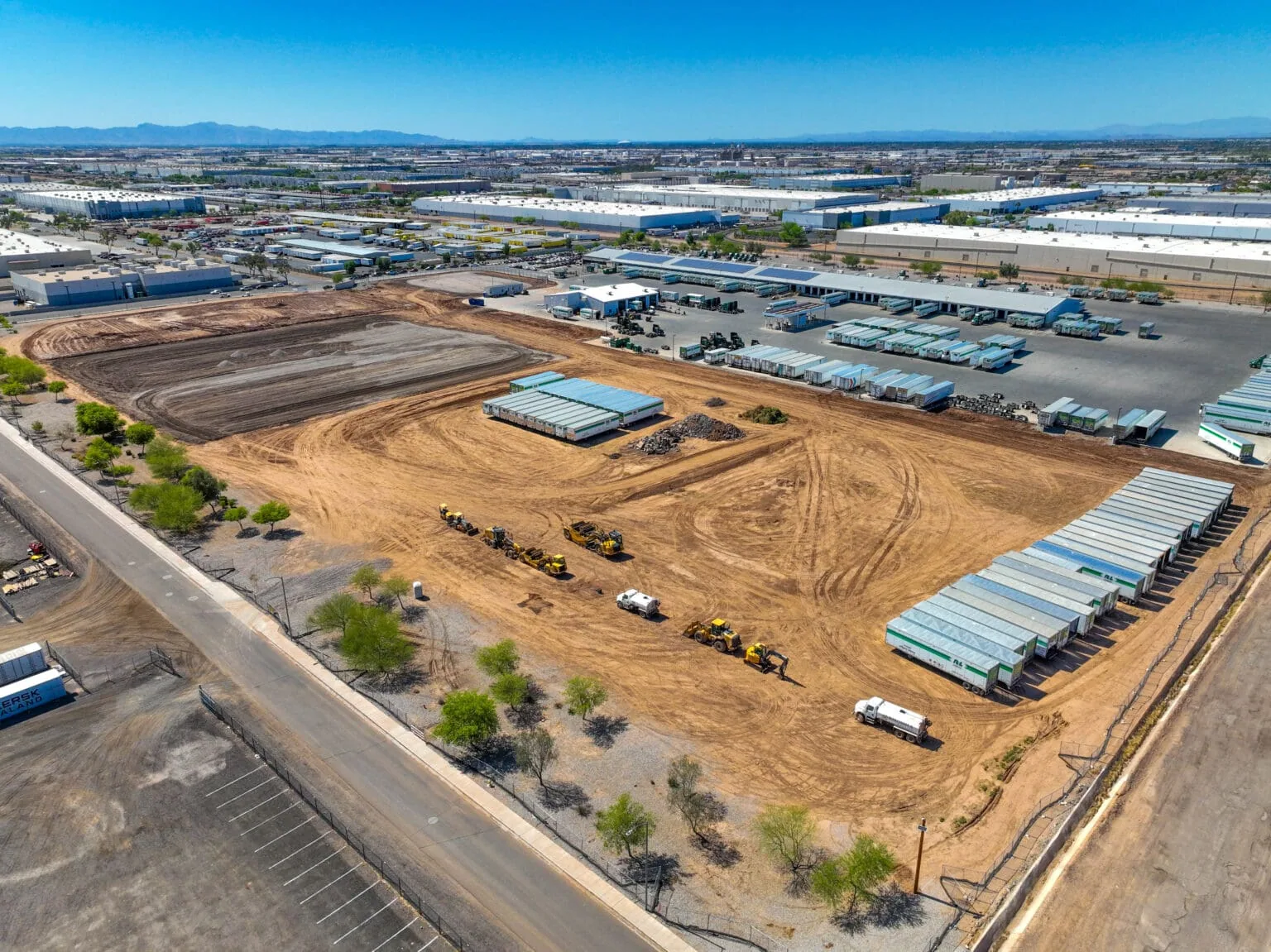
A roof trade can be on the critical path before anyone sees a failure in the field. A curb relocation, deck opening, or late equipment decision can change flashing, dry-in, and sequencing. In Peoria, AZ, heat cycles and monsoon exposure make perimeter details and drainage worth checking before the roof scope is fixed. We coordinate with general contractors on existing conditions, access, tie-ins, and the work boundary, then document what changes when the roof is opened.
Resolve roof scope before the schedule closes
Before mobilization, we review available roof plans, equipment layouts, penetrations, and the project sequence with the GC and owner. The field check confirms which assembly is present, where prior repairs sit, and whether moisture or deck concerns require additional investigation. If the plans show a curb in one location but the roof reveals another, we flag the conflict before it becomes a schedule assumption.
We identify material lead times, staging, lift access, edge protection, and daily dry-in requirements as part of the roof scope. A roof survey before construction can establish the existing condition and photograph areas that will be affected. The record gives the project team a baseline for coordination with mechanical, electrical, and structural trades. It also reduces disputes about whether a defect was present before the work started. We can format the field record to fit the project submittal set, naming the roof area, observation date, photographs, and action requested of the owner or design team.
Coordinate penetrations and trade handoffs
Every new pipe, conduit, curb, or support needs a roof detail that works with the membrane and the equipment. We confirm the opening size, curb height, attachment, flashing approach, and sequence with the trade responsible for installation. The GC can then schedule the roof tie-in after the equipment is set and before the area loses weather protection. A detail that arrives late can force a patch over a temporary condition, so we identify approval and access dependencies early.
Where equipment remains in service, we coordinate shutdowns and protection with the facility contact. For work in an occupied property, a phased reroof sequence can keep the active roof area controlled when conditions allow it. We mark who installs each component, who inspects the final flashing, and how a change order will be documented. That division keeps the roof scope connected to the project schedule rather than an isolated subcontractor task.
Separate pre-existing damage from new work
Existing roofs often carry patches, open seams, soft insulation, or drainage issues that a new project did not create. We photograph those conditions before demolition or equipment work changes them. If moisture is suspected, an infrared moisture survey can direct further testing. The GC and owner can then decide whether the condition belongs in the base scope, an allowance, or a separate repair.
When an opening or temporary exposure occurs, we secure the area and coordinate the dry-in plan. A roof repair can address isolated damage; a wider failure may require a different sequence and budget. For an after-hours leak, the GC and building contact should note the exposed area, interior risk, and temporary dry-in before a permanent repair is scoped. We record temporary measures separately from permanent repairs so the closeout file shows what remains.
Sequence work for Peoria’s heat and storm pattern
Peoria-area summer heat can affect crew hours, material staging, and cure windows. The GC schedule should account for the specified system requirements and conditions observed at the work area on installation day.
Before summer weather arrives, the project team should review drain paths, overflow openings, exposed perimeter metal, and any temporary tie-in that could remain open. If wind, hail, or runoff alters the roof, the GC receives a record of the affected zone and schedule impact. If severe weather changes the roof condition, a storm damage assessment documents what is visible and what needs testing. The GC receives the status of open areas and any protection work that affects the schedule.
Keep the district plan separate from the jobsite
Near Lake Pleasant Parkway and State Route 74, Peoria’s northern plan includes future employment and commercial areas alongside housing and open space. For a contractor pricing future work there, that is a land-use backdrop only; project drawings, access, and roof conditions control trade sequence.
A 2005 Loop 303 planning table listed business-park/industrial and community-commercial acreage. P83 near Loop 101 and Bell Road represents another commercial setting. A GC working near the Loop 303 corridor or P83 needs an access plan, occupied-area controls, tie-in sequence, and documented system condition before the GC fixes the schedule.
Close the roof scope with a usable record
At closeout, we provide the installed system information available for the project, photographs of completed details, repair locations, and any item that needs a future check. The record identifies tie-in locations and who should be contacted if another trade changes the roof later. If an open item remains, it is stated plainly with the next action rather than hidden in a general warranty note. The preconstruction walk should confirm rooftop access control, which trades touch each penetration, how temporary exposure closes each shift, and where changed conditions enter the field record.A marked-up roof plan also helps each trade verify penetrations, sleeve heights, curb dimensions, and responsibility for final flashing before mobilization.
A manufacturing roof project may coordinate with production staff, while the GC can retain the same roof documentation for the owner’s restoration or claim file if damage is involved. We can also support the owner’s condition report after construction. The handoff preserves what was installed, what was found, and what the next inspection should verify. We can review the package with the owner’s facilities contact before demobilization and resolve missing photos or open detail questions while access equipment remains available.
Commercial Roofing Questions
What should the GC confirm before roofing mobilizes?
Confirm roof access, staging and lift locations, equipment readiness, penetrations, edge conditions, and the daily dry-in plan. Identify who approves changes and who coordinates building operations. We review the existing assembly and flag conditions that may affect the base scope before the schedule depends on them.
Who owns flashing around new rooftop equipment?
The project team should assign that interface before installation. We coordinate the curb and roof transition with the equipment installer, confirm dimensions and attachment, and inspect the completed detail. If the opening or equipment changes after the roof scope is set, the team needs to document the revised flashing and schedule impact.
How do you handle unknown moisture or deck conditions?
We identify the area, explain what the current inspection can and cannot establish, and recommend testing or opening the assembly where needed. The project team can then agree on an allowance or change process. We separate observed damage from concealed conditions so a bid does not imply a certainty the roof has not yet provided.
Can roofing proceed while other trades work on the building?
It can when access, openings, equipment, and weather protection are coordinated. We agree on the order of operations, temporary tie-ins, and who is responsible for protecting each exposed area. If another trade modifies a completed roof detail, the change must be inspected and recorded before closeout.
What belongs in the roofing closeout package?
Include photographs, system and material information available, tie-in and repair locations, inspection notes, and any remaining watch item. The owner should also receive the maintenance and warranty documents applicable to the installed system. We keep the record organized so the next facility or project manager can locate a detail without relying on the original crew.