
Flashing Failure Repair in Peoria, AZ
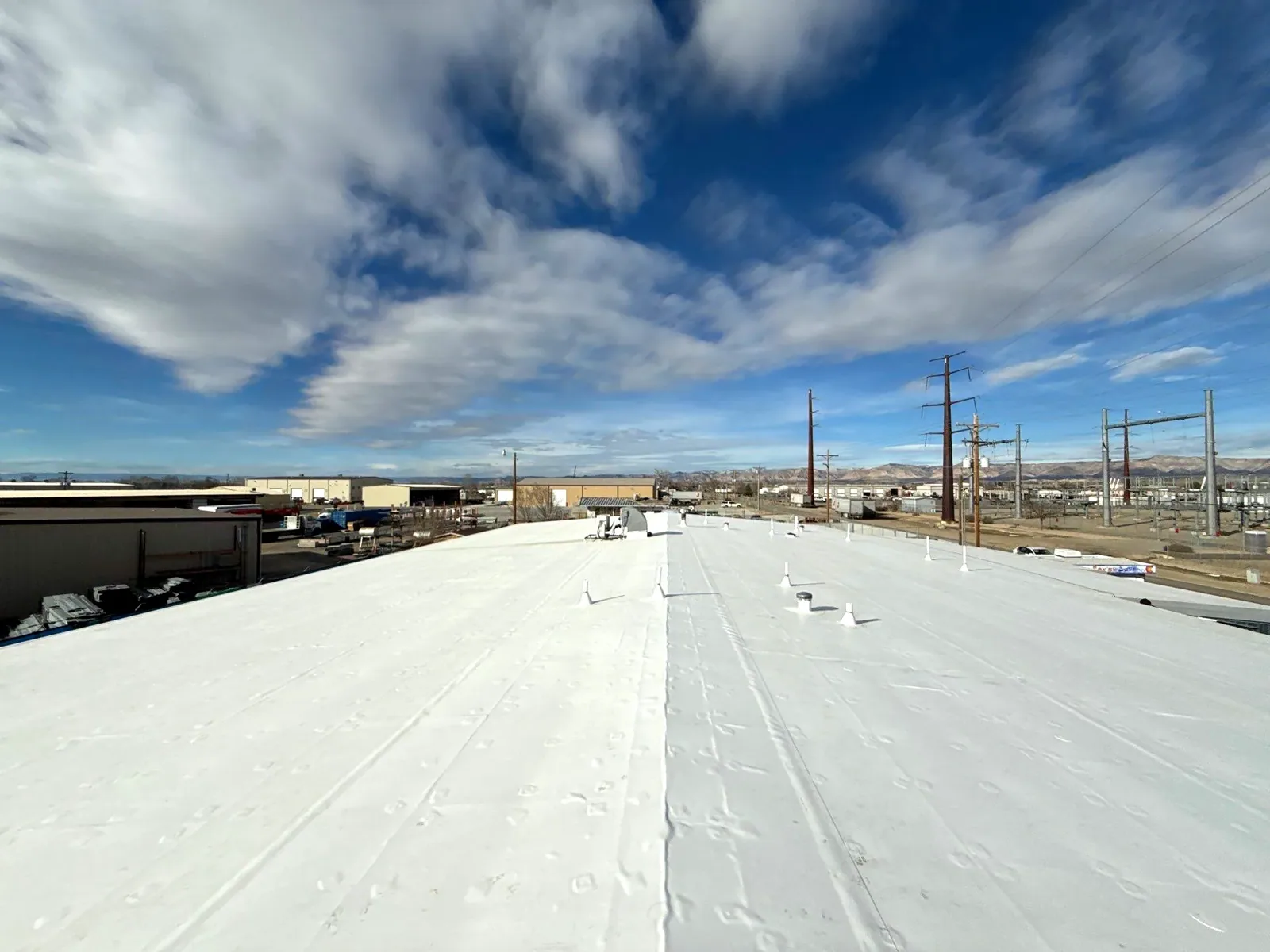
A flashing defect can stay small at the surface and still send water behind a wall or below the membrane. In Peoria, AZ, heat movement and monsoon wind can work on the same curb, coping joint, or roof-to-wall transition from different directions. Arizona storm patterns bring damaging winds and microbursts toward Phoenix and the low deserts. That is useful regional context, not proof that a specific detail failed in one storm. We follow the water path, examine the termination, and identify whether the substrate beneath the flashing is dry and stable before we choose a repair.
Separate the entry point from the stain
Interior water may travel along a wall cavity, deck flute, or insulation seam before showing at a ceiling joint. We map stains, note when they appeared, and compare them with parapets, equipment curbs, skylights, conduits, and rooftop supports. A stain below an HVAC unit does not automatically mean its curb is leaking. The roof map needs to include nearby transitions and drainage so a repair is tied to a confirmed opening rather than the nearest visible object.
At a curb, we look for split corners, loose counterflashing, deteriorated sealant, and a membrane that has pulled from the vertical face. At a wall, we inspect termination height, reglet or counterflashing, fasteners, and the condition of the surface behind the membrane. We photograph the layers as work exposes them. That record is especially useful when an earlier repair added a new sealant over an older flashing without removing the failed bond.
If moisture readings do not match the stain pattern, an infrared moisture survey can help locate areas for confirmation. We then decide whether to open a test area or keep the repair limited. The skylight and penetration flashing work addresses the opening as a roof detail, while curb and equipment support repairs coordinate the membrane with the mechanical base.
Read movement at the transition
Each roof assembly moves differently. A single-ply membrane can pull at a curb if flashing is short or corner reinforcement has lost adhesion. Metal panels and masonry joints move on their own, and a counterflashing that no longer holds its seal can admit wind-driven rain. We inspect both sides of the connection before applying material; a patch cannot correct movement beneath it.
Peoria identifies P83 as a mixed commercial and employment district near Loop 101 and Bell Road. That broad setting can orient access planning, but it does not describe the building or roof being repaired. We confirm current entry, loading, and protection needs directly with the property team.
We decide whether to rebuild the flashing, tie in compatible membrane, or replace a curb transition. A coping and edge metal review fits when the water path begins at the perimeter. Where a seam joins the field, the seam repair scope should identify that connection rather than lumping it into a generic patch. Hail can also puncture nearby sheets, so we separate those findings during a hail damage review.
Confirm what lies below the flashing
Flashing repair starts with the layer beneath the visible surface. If insulation is dry and the deck is sound, removing failed sealant and rebuilding the transition may be enough. If water has traveled under the membrane, trapped moisture can extend beyond the curb or wall. We probe only where the assembly and condition call for it, then record where wet material begins and ends. That boundary can change the amount of tear-out, the time the roof remains open, and the need for interior protection.
Peoria's adopted code is the 2018 International Building Code as amended by city ordinance. That local code context can matter when a repair becomes part of a larger permitted scope, but the existing roof assembly and project requirements determine what applies. We do not infer a code obligation from a leak alone. The owner receives a scope with the observed detail, proposed material tie-in, and any coordination that remains with another trade.
When the opening is active, temporary protection should direct water away from vulnerable interiors while preserving access for permanent work. We mark the protected area and return to inspect the substrate before closing it in. Our commercial leak repair sequence distinguishes immediate water control from the final flashing rebuild, so an interim measure is not mistaken for completed work.
Set a repair limit the owner can use
A sound repair limit covers the curb or wall transition, adjoining membrane, and any wet insulation confirmed during removal. It also states what stays in place. Repeated failures may justify comparing a local rebuild with a larger roof section or replacement window. We document why the boundary stops or extends, using conditions such as a sound adjacent sheet, split corners, or moisture beyond the original detail.
Cost follows access, tear-out depth, custom metal, substrate repair, and mechanical scheduling. Continued water can damage finishes; opening too much roof at once creates exposure. We stage a manageable area and note weather conditions that could change the sequence.
Peoria's downtown zoning includes civic, historic, residential, commercial, and employment uses in pedestrian-oriented subdistricts. It does not reveal any building's roof. We confirm access and protection needs at the property before staging. Owners weighing the next capital window can use roof capital planning to keep the repair history beside the budget decision.
Close the loop with a detail record
The closeout should identify the transition repaired, the materials visible, photographs before and after, and any condition left for a later review. If a test opening found wet insulation, the record should show its extent and how the assembly was restored. If the area could not be opened because of weather or another trade, state that clearly and schedule a return rather than treating uncertainty as a clean bill of health.
Use the same detail map when a later storm or interior leak occurs. A second report can show whether the repaired corner stayed bonded or whether movement shifted to an adjoining seam. That comparison helps the owner decide whether to repeat a local repair, modify the flashing detail, or include a wider area in a reroofing scope. It also gives the facilities team a shared description of the issue instead of a vague note that a curb was patched.
For commercial roofs around the Peoria service area, send the leak location, repair history, and any photos from the roof. We will compare them with a focused review and explain what the next inspection should prove. A clear repair boundary gives the owner a practical choice: close the defect, protect the interior, and keep the remaining roof on a dated review path.
Commercial Roofing Questions
Why can a flashing leak appear far from a curb or wall?
Water can move through insulation joints, deck flutes, or wall cavities before it reaches a ceiling. We map the interior stain against roof transitions and check adjacent drains and penetrations before locating the repair. Moisture readings can help decide whether a test opening is needed.
Can failed flashing be sealed without rebuilding the detail?
Sometimes, when the substrate is sound, the existing flashing remains bonded, and the opening is limited to a failed sealant joint. Split corners, loose metal, wet insulation, or repeated movement usually call for rebuilding more of the transition. We show the condition that supports the selected scope.
What happens if water has reached insulation below the flashing?
We mark the wet boundary and remove material as needed until the remaining assembly is dry and stable. The extent can change the repair area and schedule. A surface patch over wet insulation would conceal a condition that needs its own correction.
How do you coordinate flashing work around rooftop equipment?
We identify whether a curb, support, or conduit must be moved and set a work window with the responsible trade. The membrane is protected while the connection is open, then the restored flashing is inspected before equipment is returned to service.
Does every flashing leak require replacing the whole roof?
No. A contained defect over sound material may need a rebuilt detail only. Repeated failures, wet insulation in separate areas, or a deteriorated field can move the discussion toward a broader scope. The repair record explains why the boundary stops or expands.