
Commercial Roofing in Cave Creek, AZ
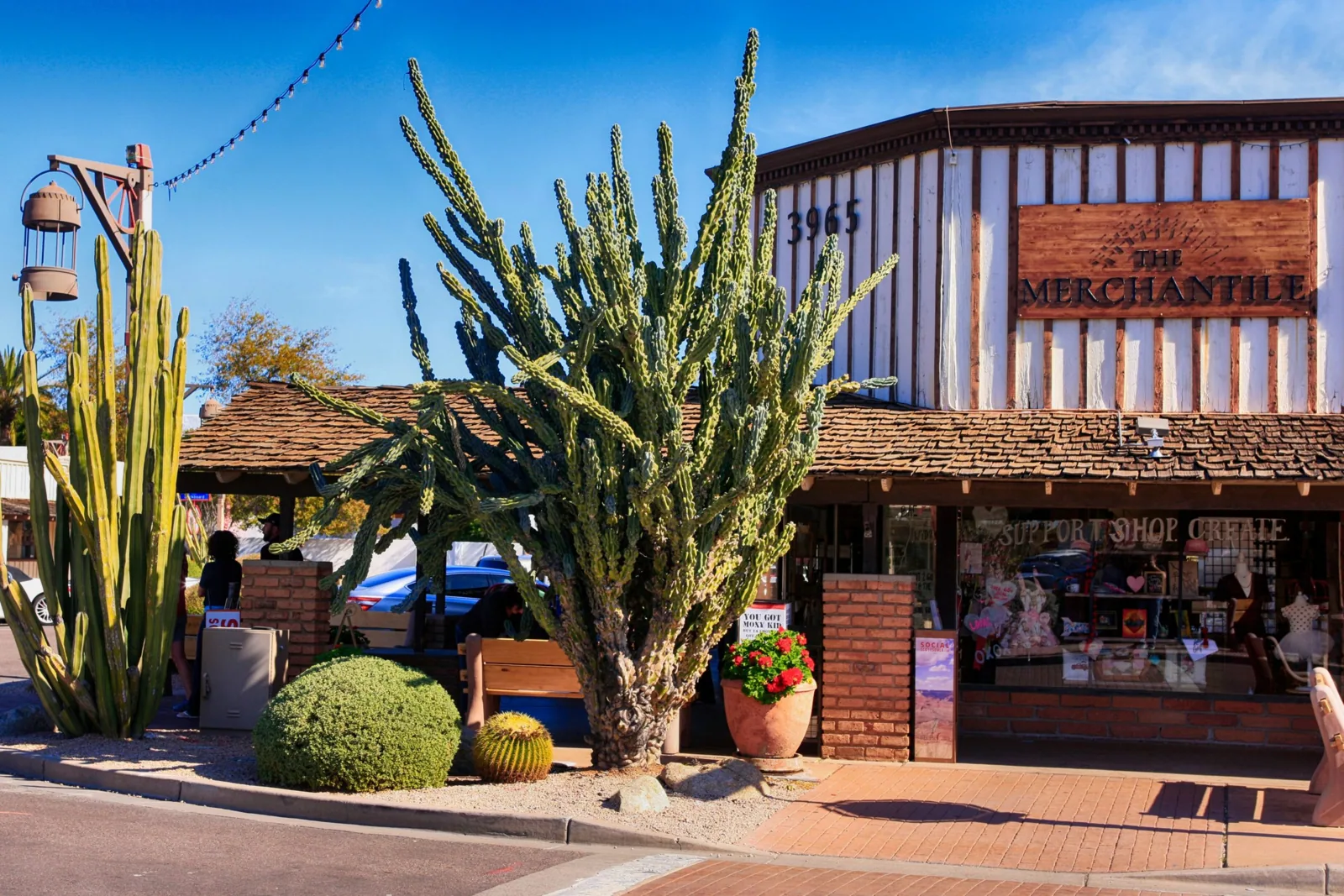
A roof that sits quiet through most of the year can still fail in a single afternoon when runoff finds a drain that has been closing up for months. Cave Creek covers about 38 square miles of land, yet Census figures show only about $235 million in 2022 retail sales and about $34 million in health care and social assistance receipts, so an owner here may hold a single building across a wide area and visit it rarely. We travel from Peoria, AZ, about 19 miles in a straight line, and the first thing we check on a roof like this is whether water can leave it freely when a storm arrives.
Test drains and overflows against flash-flood rain
The National Weather Service names flash flooding, hail and damaging winds among the impacts of Arizona monsoon thunderstorms. A short, intense burst can drop more water than a blocked drain can pass, and a roof without a working overflow loads up quickly. Dust, leaves and windblown debris collect in drain bowls and scupper openings over a dry season, so the first storm of summer finds them already half closed.
We clear and flow-test each outlet, check that drains and scuppers are sized and placed sensibly, and confirm that overflow openings sit at a safe height above the primary drain. If the roof has a low spot with no relief, we say so and describe the options, from adding an outlet to correcting the slope. Photographs of every outlet go into the file.
After the season starts, we recheck the outlets following the first heavy storm. Debris that was pushed into a corner by wind can block the very drain that was cleared a week earlier, and a second look costs little compared with a flooded ceiling. The results go into the same record so the pattern across seasons is visible.
Check roofs on buildings that sit quiet for stretches
A building used part of the week, or part of the year, has no one noticing a stain on the ceiling. A small leak can run for weeks before anybody sees it, and by then the insulation below the membrane may be saturated and the interior finish ruined. For these owners, the roof is best checked on a schedule and not left until someone calls.
A commercial roof inspection before the monsoon, and another after, catches small defects before water finds them. For an owner who is rarely on site, we send photographs with a short written note, and we flag what needs a fix now and what can wait. If a leak is found, interior checks come with it, since moisture in the walls or the ceiling can outlast the roof repair itself.
Heat works on an unattended roof just as it does on a busy one. Phoenix-area records count roughly 94 days a year at or above 100 degrees, and without regular foot traffic or cleaning, sealants dry out and small cracks open in silence. A quiet building has fewer chances for someone to notice the early signs, which is why the scheduled walk carries so much weight.
Break down the cost drivers before approving a scope
On a spread-out property the cost of getting a crew to the site is real, and it belongs in the discussion. The main drivers are travel and mobilization, the depth of the tear-off, the thickness of the insulation, the number of penetrations and flashings, edge metal, drainage changes and access for hoisting. Material choice matters, but it is rarely the largest line.
We present these separately so the owner can see the effect of each decision. A roof coating restoration usually costs less than replacement when conditions allow it, and a recover can reduce disposal. We also say when a cheaper option would not last, because a short-lived repair that needs repeating costs more in the end than the right scope done once.
Timing affects price as well. Scheduling a repair before the monsoon, when the roof is dry and crews have room in the calendar, tends to cost less than an urgent call during a storm. We tell the owner which items are worth moving earlier for that reason and which can safely wait for the next planned visit.
Document hail and wind damage for the carrier
Large hail crossed the Phoenix metro area on October 5, 2010, and the National Weather Service lists hail and damaging winds among monsoon impacts. A commercial owner whose roof is hit needs a clear record before the evidence changes. We photograph the damage, mark it on a roof plan, separate storm marks from age and write a description the carrier can use.
Our roof insurance claim assistance covers that documentation and a walk with the adjuster. Coverage decisions stay between the owner and the carrier. When damage is found, storm damage roof repair follows the documented scope, so the repair matches what the file describes.
Photographs taken soon after the event are the strongest evidence. If the owner cannot reach the site quickly, they can ask us to visit, and we will record the conditions before wind or debris moves anything. We also keep removed samples or damaged pieces when they help the adjuster see what occurred.
Plan for response time on a distant roof
Distance changes how an emergency is handled. We respond around the clock, all week, holidays included, but the drive from Peoria is part of the timeline. To make the first trip count, we ask for the leak location, the roof access method and the building contact by phone, and we bring materials for the likely repair and for temporary protection.
Owners with other holdings in Peoria or Youngtown can arrange visits in sequence, so the crew covers several properties in one trip. After the emergency, a permanent repair is scheduled once the roof is dry, and the whole sequence is logged in the roof record.
Commercial Roofing Questions
How can I tell whether my roof drains will handle a monsoon downpour?
Look for standing water a day after rain, stains at the base of parapets and debris around drain bowls. We flow-test each outlet and check overflow height and location. A drain that empties slowly or an overflow set too high will let water build on the roof, so we report what we find and what the fix would involve.
What should I do about a roof on a building I rarely visit?
Schedule inspections before and after the monsoon, and ask for photographs and a short written report each time. That replaces the casual observation an occupant would provide. If a leak appears, we check the interior for moisture as well, because damage can continue even after the roof is sealed.
Why do roof estimates vary so much between contractors?
Scopes often differ. One bid may include new insulation and edge metal while another leaves them out, or one may assume a recover where the other prices a tear-off. We itemize tear-off, insulation, flashing, drainage, access and travel, so any comparison is made line by line.
Can I file a claim for hail damage found months after the storm?
Policies set their own notice and time limits, so the owner should check the policy and contact the carrier promptly. We document the roof as it is, separate storm damage from age and provide photographs. The carrier decides coverage, and we make sure the roof evidence is clear.
Does a coating make sense for a roof in a hot, dry climate?
It can, when the membrane is bonded and the insulation is dry. Reflective coatings reduce surface heat and protect against UV. We test adhesion and moisture before recommending one. If the roof fails those tests, repair or replacement protects the building better than a coating over a problem.