Standing-Seam Metal Roofing in Peoria, AZ
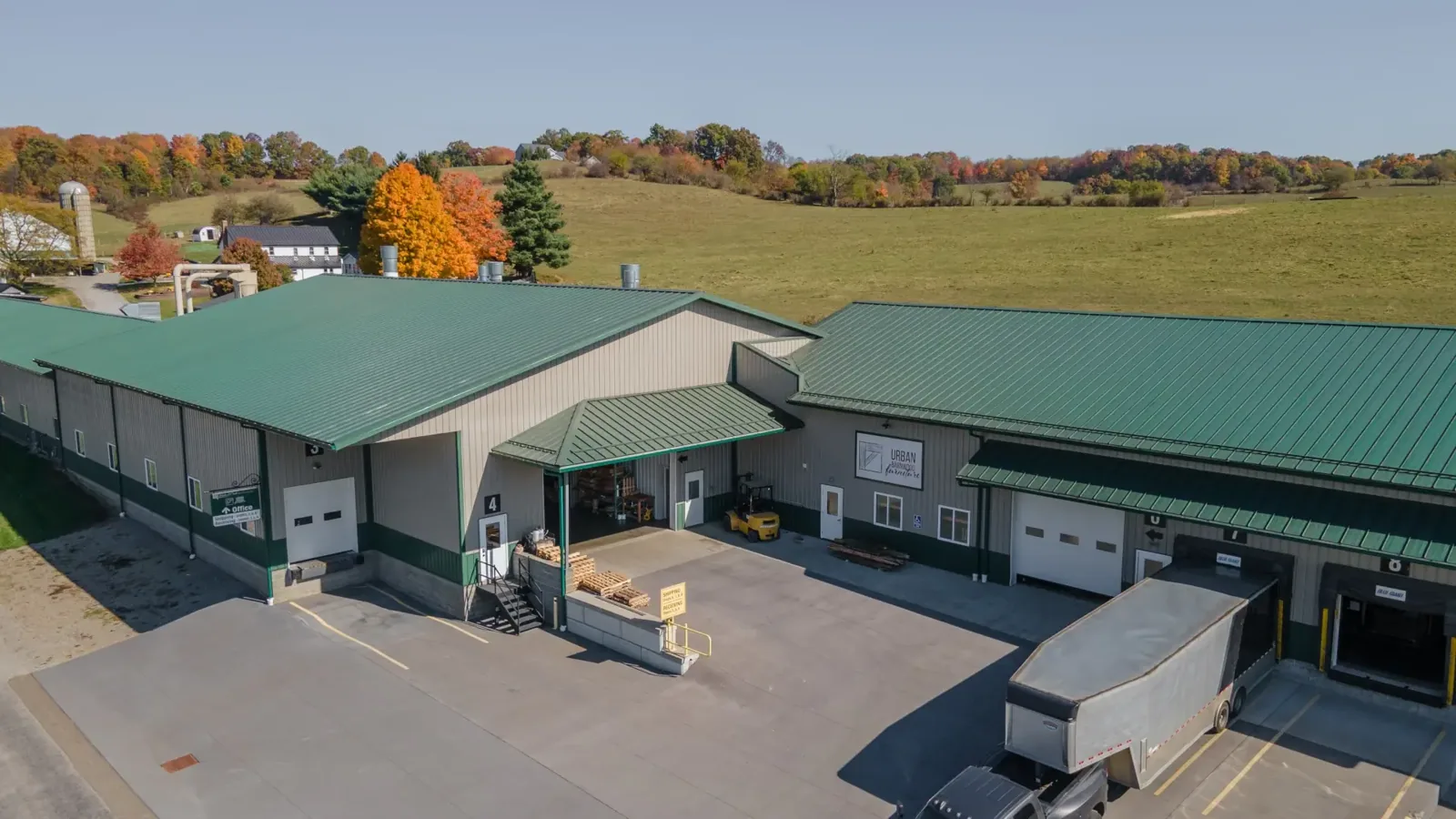
A standing seam panel can remain firmly attached while a clip, fastener, or end condition begins to move. In Peoria, AZ, the owner needs a condition record that separates panel wear from attachment and flashing failure. We inspect seams, clips where accessible, eaves, ridges, curbs, and penetrations, then compare the findings with prior repairs. That evidence sets the repair boundary and helps decide whether to preserve the existing roof, retrofit over it, or plan a replacement without treating every metal surface as the same assembly.
Map movement before tightening hardware
Standing-seam panels expand and contract with temperature changes. A clip that no longer moves as intended can stress the panel, while a loose fastener on a different detail may signal a local attachment problem. We look for oil-canning, seam distortion, backed-out fasteners, elongated holes, corrosion, and movement at panel ends. The roof's profile and attachment method matter. We document the affected runs and check whether movement is isolated or repeated across the field.
A focused roof inspection records the roof geometry, panel condition, and accessible attachment details. Where the owner manages several buildings, a roof asset record turns those observations into comparable priority, repair, and replacement decisions.
Inspect seams and penetrations as one assembly
Raised seams shed water only when their locks remain engaged and surrounding details stay intact. We examine seam closures, end laps, ridge and rake transitions, gutters, and penetrations added after the original installation. A curb can interrupt the panel's movement path; improvised sealant may conceal a gap without restoring the metal detail. We identify each transition, check how water exits it, and note whether another trade has altered the flashing.
At the edge, edge metal repair may address coping, gutters, or perimeter metal when those details are part of the failure. We do not treat sealant as a substitute for a correctly formed and secured transition. Photos show each seam or penetration that drives the scope, so an owner can compare the proposed work with the actual roof condition.
Separate heat movement from storm damage
Long stretches of 100-degree days push metal through hard daily expansion cycles. Air temperature is not panel temperature, but the movement it drives makes joint condition a useful inspection point. We look for scuffed seams, fastener wear, shifted panels, and sealant that has separated from a moving surface. A repair must accommodate the system's movement instead of locking one point and transferring stress to the next panel.
Monsoon storms can bring damaging winds and hail to the Phoenix area. A storm damage review can separate recent impacts from seam wear. We compare impact marks, lifted trim, and water entry with the roof's pre-event history. For buildings in the Peoria Innovation Core, active planning includes employment and commercial uses along a changing growth corridor, so owners may need a repair sequence that protects operations while preserving a future replacement window. We keep that project context separate from what the roof itself proves.
Choose repair or retrofit by attachment condition
A repair can work when panel seams, clips, substrate, and edge details remain sound outside the affected area. A metal retrofit can add a new structural system over an existing roof, but only after the building's framing capacity, attachment path, drainage, geometry, and penetrations are reviewed. We check whether the old roof can support the retrofit design and whether a new panel layout can clear curbs, vents, and access paths. Existing leaks or concealed moisture need an answer before they are covered.
Compare metal roof retrofit with a targeted repair when panel movement or widespread attachment wear changes the capital decision. If the storm record includes impact concerns, hail damage assessment helps distinguish visible hail damage from seam or flashing issues. Replacement becomes more practical when corrosion, recurring leaks, or incompatible past modifications appear across multiple roof zones.
Plan access around the roof work
Metal roofing can be noisy to access and sensitive to foot traffic, especially near open seams or fragile transitions. We map safe access, staging, and protection before mobilizing. At an occupied office, retail, or production building, the sequence should account for tenant hours, deliveries, rooftop equipment, and any interior area affected by water. The work plan should state which panels will be lifted, which details will be replaced, and how the roof is made weather-tight at each shift boundary.
If the scope includes new board or a changed thermal assembly, the roof insulation scope settles the insulation work and its interface before panel installation. After repairs, inspection intervals should follow the actual seams, exposed hardware, and drainage points rather than a calendar, and where the metal meets a different system such as a built-up assembly, that transition is reviewed on its own terms.
Preserve the panel history
The closeout should record panel profile, affected runs, repaired seams, replaced clips or fasteners, edge work, and any area that could not be opened. We photograph locations and note whether a detail is original or was modified later. That history allows a manager to compare a future leak with the work already completed and avoid repeating investigation. It also supports a replacement horizon that reflects observed condition, rather than a broad age assumption.
We review the roof history, current repair boundary, and expected capital window with the owner. If the building has multiple metal roof sections, each receives a separate condition summary. An inspection call is a practical next step when panel movement, storm marks, and recurring leaks have become difficult to separate.
Panel replacement also has a procurement question: the replacement profile must match the existing seam geometry closely enough for a sound tie-in. A visually similar panel is not automatically interchangeable. We verify dimensions, metal type, finish, seam height, and attachment details before ordering. If the original product cannot be identified, we document that limit and review a compatible repair or a larger re-cover scope. The owner then has a written basis for deciding whether a small appearance difference is acceptable or whether the roof needs a more complete system change.
Commercial Roofing Questions
Can you replace one metal panel without changing the full roof?
Sometimes. We first confirm panel profile, seam connection, attachment, access, and whether replacement would disturb adjacent runs. If corrosion or movement spans a larger area, a single panel may not correct the controlling condition. The inspection record shows where a localized repair remains reasonable.
What does oil-canning tell an owner?
Oil-canning is visible waviness in a metal panel. It can relate to flatness, clip placement, panel width, substrate, or thermal movement, and does not alone prove a leak. We inspect nearby seams, fasteners, and water paths before deciding whether the condition requires work.
When does a retrofit make sense?
A retrofit is considered when the existing roof and structure can support the proposed system, drainage can be maintained, and penetrations can be integrated. We review framing, attachment, height, and concealed moisture first. If those conditions do not align, repair or removal may be the better scope.
How should hail marks be evaluated?
We record the affected panel areas, dents, seam condition, coating damage, and any water entry. The October 2010 Phoenix-area hail event is part of regional history, but it does not establish damage to a particular building. Current roof evidence determines the repair.
What belongs in the metal roof asset record?
Include panel profile, seams, clips or fasteners inspected, repaired runs, penetrations, drainage, photos, and follow-up items. Separate each roof zone and note access limits. That makes the next capital review more useful than a single condition label.