
Johns Manville Commercial Roofing in Peoria, AZ
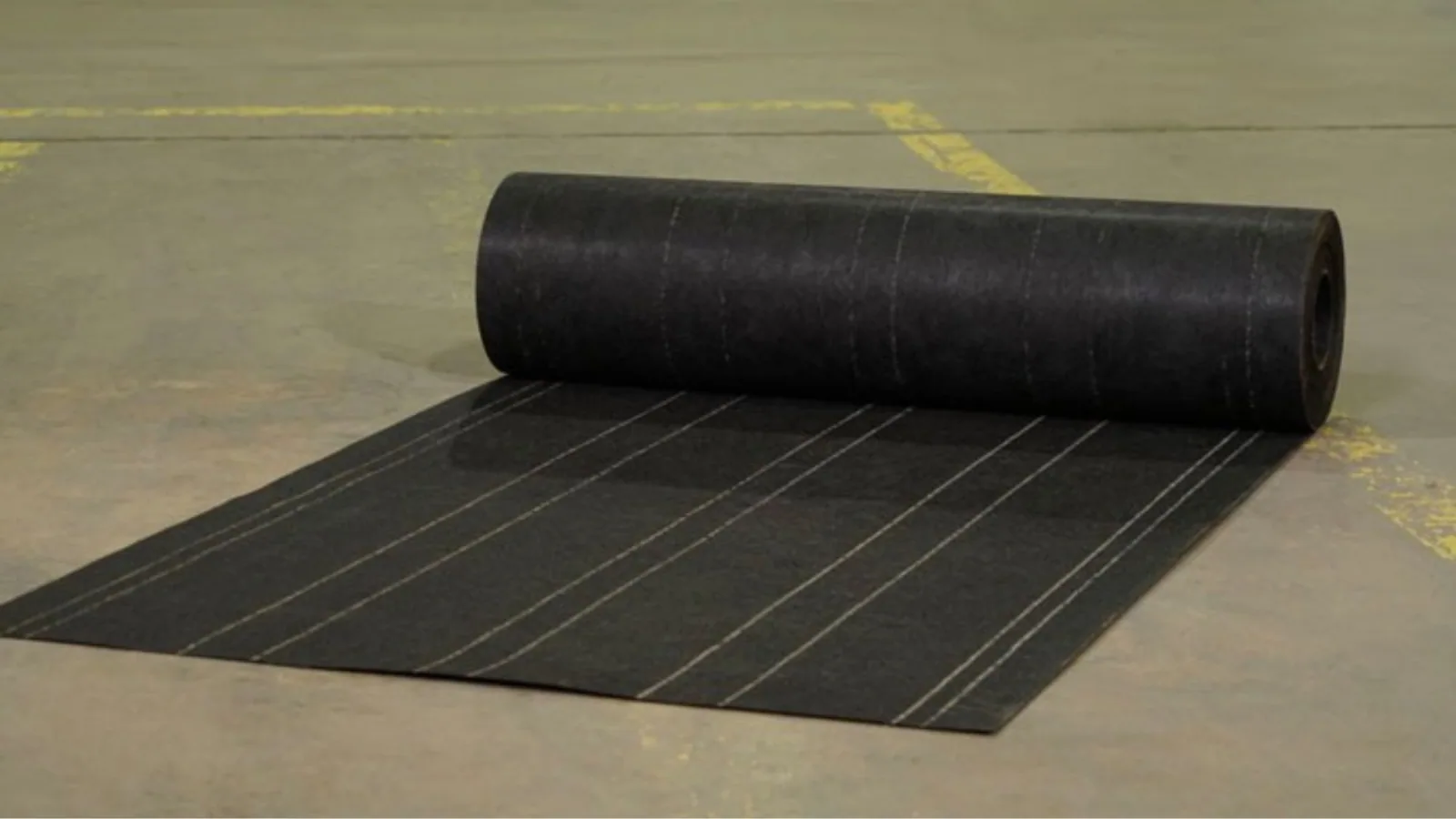
On a Johns Manville roof, the insulation can matter as much as the membrane. Johns Manville produces polyisocyanurate board as well as roofing membranes, so a roof built with its products can have a single maker responsible for the surface and the thermal layer beneath it. That is convenient until water gets in. Wet board loses thermal value and can stay hidden under a membrane that looks sound, and in Peoria, AZ, where long heat cycles and sudden monsoon rain stress every flashing, finding that water early is the difference between a repair and a replacement. We service Johns Manville systems with that layered view in mind.
Identify which layer is carrying the load
Johns Manville supplies a range of low-slope products: single-ply TPO, PVC, and EPDM membranes, modified bitumen sheets, built-up roofing components, and polyiso insulation. A roof labeled by the maker may be any of these, and the repair method differs for each. On a modified bitumen roof, laps and surfacing are the first checks. On a built-up roof, blistering, ridging, and exposed felts matter. On single-ply, welds or splices carry the load.
We identify the system by sampling edges and reading the roof layers where an existing cut or core allows. If product documents are missing, we state what the roof appears to be and avoid assuming a specific line. Repair choices follow what the sample shows.
Mixed roofs are common. A building that grew in phases may carry a Carlisle SynTec single-ply on one wing and a Johns Manville modified bitumen on another, joined by a flashing detail that serves neither well. We mark each area on the sketch and treat the joint as its own item.
Test the board under the membrane
Insulation is an easy place for a roof to fail quietly. Water reaches the board through a failed seam or flashing, spreads laterally, and settles in low areas. The roof surface stays level while thermal resistance drops and fasteners corrode. We use moisture meters, thermal imaging, and cores to confirm where board is wet, and we describe the boundary on the roof sketch.
A properly scoped infrared moisture survey shows candidate areas, and cores verify them. If wet board is confined to a corner near a curb, a localized replacement may restore the assembly. If it appears in several separate areas, the repair boundary grows and the replacement conversation begins. Cover board and tapered insulation, specified through roof insulation and cover board work, can also correct drainage when the board is replaced.
Fasteners deserve attention in any mechanically attached assembly. Rust at a fastener head, a back-out under the membrane, or a pulled washer shows movement in the deck or board, and it can create a bump that wears the sheet above. We note these items and fix them with the repair, because a patch placed over a moving fastener fails again at the same spot.
Repair to the membrane type, then document it
Every repair begins with cleaning and preparation. Dust, oxidation, and old sealant prevent bonding on any membrane, and Valley dust settles heavily on low-slope roofs. For thermoplastic sheets we weld patches. For modified bitumen we heat-weld or adhere patches with compatible materials. For built-up roofs we cut out blisters, dry the area, and rebuild plies in sequence. Fasteners, flashings, and sealants get replaced when they have aged beyond reliable service.
Each repair is logged with photographs, location, materials, and cause. That log feeds the owner’s asset record and the manufacturer warranty file, if one applies. Repeated repairs at a single detail suggest the detail needs redesign, and the log makes that pattern visible.
Surfacing counts too. On granulated cap sheets, bare spots and granule loss expose the asphalt to ultraviolet light, which dries and cracks it. A coating or replacement cap sheet can restore protection if the layers below are sound.
Match the approach to the building
Different parts of Peoria carry different roof stock. In downtown and Old Town Peoria, city downtown zoning blends civic, historic, housing, commercial, and employment uses within small subdistricts, and older buildings may include assemblies with more than one layer of repair. North of the city, the Camino a Lago plan sets aside 87.5 acres for a two-parcel commercial core near Lake Pleasant Parkway and Deer Valley Road, and the Peoria Innovation Core is planned along Loop 303 toward State Route 74.
Planning documents describe intent, not roofs, so we inspect each building as it stands. For downtown and Old Town Peoria properties, we look for older flashing details and layered repairs. For newer commercial sites, we look for installation quality, drainage, and rooftop equipment loads.
Choose the next step from the evidence
A Johns Manville roof with sound surface, dry board, and limited repairs may go on a maintenance plan. A roof with sound board but weathered surface may be a candidate for restoration. A roof with wet board in several areas, open laps across long runs, or deck damage points to replacement. The sequence stays the same: inspect, test, record, and then recommend.
When replacement is the answer, a commercial roof replacement plan can reuse sound deck and choose a system that suits the building. Owners who want to compare membranes can look at Holcim Elevate and other makers, and the choice comes down to the building’s needs, not the badge on the roll.
For owners who plan to hold a building for years, the cheapest answer on paper is not always the cheapest in use. A cut-rate overlay on wet board will carry the water with it, while a targeted board replacement followed by a clean membrane can reset the assembly. We present both so the capital timing stays an owner decision.
Commercial Roofing Questions
How do you know if the insulation under a Johns Manville roof is wet?
Thermal imaging points to suspect zones, and moisture meters or cores confirm. We scan at times when temperature differences make wet areas visible, then take readings in the flagged zones. Because scans are evidence of where to test, not proof of saturation, we confirm with a physical check before recommending removal.
Can modified bitumen be repaired during Phoenix summer heat?
Yes, with attention to timing and safety. Crews start early, as the sheet softens in afternoon heat and torches or hot-air tools can overheat material. We check the surface temperature, avoid walking on softened areas, and complete repairs when the sheet is stable. Late summer monsoon storms also set the pace, since open repairs should not sit exposed before rain.
Does hail damage polyiso board under a membrane?
Hail can crush or fracture board beneath a membrane even when the surface shows only light marks. Roofs in the path of the October 2010 hail needed walks for soft spots and fractures, and any roof with a similar exposure gets the same check, with suspect spots tested.
Is there a way to tell a Johns Manville roof from another maker’s?
Markings, membrane thickness, reinforcement patterns, and installation records help, but many roofs lack labels. If documentation is missing, a sample from an existing opening can reveal layers. We record what the sample shows and pick repairs that suit it, without assuming a maker.
What if I want to add tapered insulation to correct ponding?
Tapered board is a common way to move water toward drains, and it can be added during recover or replacement work. The existing deck and drain locations drive the design, and we review slope, drain count, and perimeter heights before specifying the layout. In some cases, new drains or crickets at curbs may be needed along with the board.