
Holcim Elevate and Firestone Roofing in Peoria, AZ
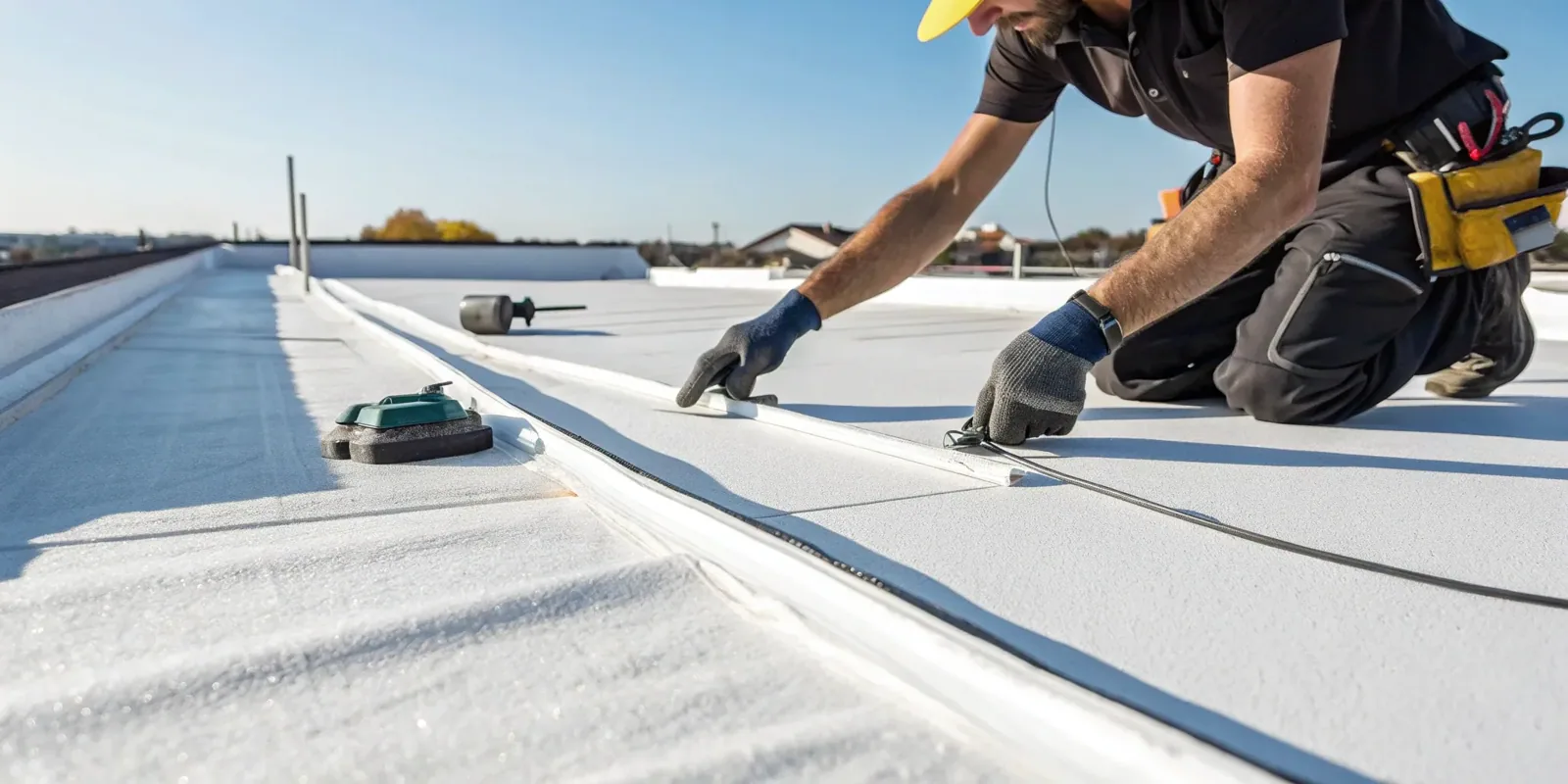
A roof labeled Firestone and a roof labeled Holcim Elevate can be the same roof. Firestone Building Products now operates as Holcim Elevate, so owners of older buildings often hold warranty papers, product data, and drawings under the earlier name while new documents carry the new one. That naming gap creates real confusion when a leak starts and someone has to find the right file. In Peoria, AZ, where long heat cycles wear on seams and monsoon storms test every flashing, we help owners read these roofs correctly: which system is on the building, what condition it is in, and which records belong with it.
Trace the roof back to its paperwork
When a building changes hands or a facility manager inherits an old roof, the first task is matching physical evidence to documents. We look for membrane markings, seam construction, fastener plates, accessories, and any nameplates left from installation. We compare those findings with warranty documents, invoices, and drawings, whether they show the Firestone name, the Holcim Elevate name, or neither.
The result is a file that connects the roof in front of us with the paperwork that governs it. That file feeds the owner’s warranty management routine, so the next repair or rooftop change follows the right terms.
Where nothing survives, a roof can still be read. Membrane thickness, color, reinforcement scrim, and the way flashings were cut all narrow the field. We photograph those details and keep them with the roof record, so a future inspector does not start from zero. Owners who ask early avoid the scramble that follows a leak, when the issuer wants a document the building no longer holds.
Know the TPO and EPDM from the roof surface
Holcim Elevate supplies commercial membranes including UltraPly TPO and RubberGard EPDM, along with accessories, insulation, and metal edge products. The two membranes behave differently. UltraPly has welded seams that rely on clean laps and consistent heat. RubberGard has splice seams that rely on adhesives or tapes and clean surfaces.
We separate them in the field because repair methods differ. A TPO roof is patched with welded material. An EPDM roof is patched with compatible primers and tapes. In both cases we note the age and condition of the membrane, the state of the flashings, and any evidence that earlier repairs used incompatible materials.
Accessories matter as much as the sheet. Pre-molded pipe boots, curb flashings, and edge products from the same maker are designed to work with the membrane, and a substitute with a different chemistry can fail in a few seasons. We replace worn accessories with compatible products and note the change in the log.
Look first where these roofs usually open
On single-ply roofs, failures tend to start at transitions. We check wall terminations, curbs, pipe penetrations, drains, and corners before moving to the open field. We also look at the perimeter, because edge metal that has loosened or lost its seal lets wind work under the membrane.
Roofs in the north Peoria business park areas and along the Loop 101 near P83 face the same exposure to heat cycles and storm wind, so the inspection list stays consistent. The P83 district is described by the city as an approximately 600-acre mixed district near Loop 101 and Bell Road, and a district with that range of uses will include different roof ages and systems. We read each roof on its own evidence.
Drains deserve a slow look. Debris at the sump, a loose clamping ring, or a membrane that has pulled away from the drain body lets water travel under the sheet. We clear, inspect, and reseal as needed, and we measure ponding after rain to see whether the drain is the whole story or only part of it.
Review heat, hail, and monsoon history
Triple-digit heat arrives on about 94 days a year in Phoenix records, a figure for the air rather than for any membrane. The monsoon hazards the National Weather Service lists, microbursts, damaging wind, and hail, can each change what a repair visit finds, and large hail from October 2010 supercells did extensive damage across the metro.
After a storm, we walk the roof for lifted edges, displaced flashing, soft spots, and impact marks. We also check drains for debris that monsoon winds carried to the roof. Findings are recorded so an owner can handle storm damage repair with a clear baseline and, if needed, supporting photographs for an insurer.
Heat cycles also move rooftop equipment. Units that vibrate against curbs, conduit that rubs a membrane, and refrigerant lines that sit directly on the sheet all wear the surface over time. We add protection pads or supports where we find wear, and we record the location for the next visit.
Choose the service path for the roof in hand
A roof with sound seams and dry insulation can stay on a maintenance plan with targeted repairs. A roof with a sound field but worn surface may benefit from restoration. A roof with wet insulation across separate zones or repeated seam failure belongs in a replacement plan. Our inspection report states which path the evidence supports and what would change it.
For owners comparing makers, the Carlisle SynTec and Sika Sarnafil systems offer other approaches to single-ply roofing, and the choice should match the building’s use, roof deck, and budget window. We lay out each option with its tradeoffs.
Scheduling follows the building. Work on occupied properties is sequenced around tenant hours, deliveries, and noise limits, and any open area is dried in each day so overnight weather cannot reach the deck.
Commercial Roofing Questions
My warranty says Firestone. Does that still apply under Holcim Elevate?
The warranty document governs, and its issuer and terms are what matter. Keep the original paperwork and any later notices about the name change. If a claim or transfer comes up, contact the issuer listed on the document. We match the physical roof to the records and flag any inconsistencies so the owner can raise them early.
What does a failed RubberGard splice look like?
The edge lifts, the tape or adhesive shows a dirt line, or the seam can be separated by hand. EPDM does not weld, so the repair is a cleaned, primed, and taped or adhered splice. We probe suspect laps, mark each failure, and check whether adjacent splices are weakening.
How do you handle a mixed roof where the main field is one system and additions are another?
We map each area on the roof sketch and label the system. Transitions between areas get close attention, since tie-ins are common sources of leaks. Repairs use materials that match each side, and the log records what was done where.
Is it worth restoring a Holcim Elevate TPO roof that is chalking?
Surface chalking alone does not decide it. If seams are sound, the sheet is flexible, and the insulation is dry, restoration can extend service life. If seams are failing or insulation is wet, restoration is a poor bet. A moisture survey and seam probe provide the evidence, and the report states what the roof can support.
Can you service a Holcim Elevate roof on a retail center in the Park West area?
We service commercial roofs in Peoria, including open-air retail and dining areas such as Park West beside Loop 101. Tenant operations matter for scheduling, so we plan access, noise, and staging with the property manager before the crew arrives.