
Commercial Roofing in Buckeye, AZ
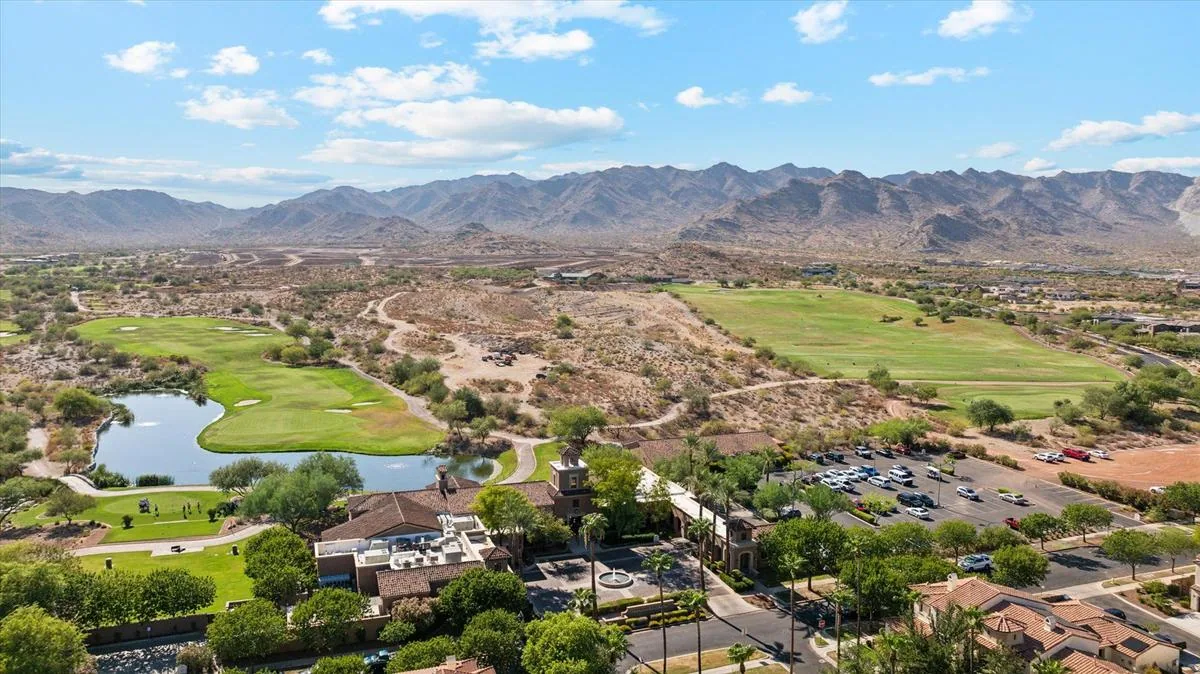
Fasteners that have backed out a quarter turn rarely announce themselves, yet a metal roof full of them can leak at a dozen points while the panels still look straight. Buckeye holds more than 395 square miles of land, and its 2022 retail sales were reported at about $630 million. Owners here may be responsible for a few buildings spread across a very wide area, and a missed inspection can sit unnoticed for a long time. We work from Peoria, AZ, roughly 31 miles away in a straight line, and we begin with the details that metal and membrane roofs share: fasteners, laps, sealants and the places where water first gets.
Check fasteners and panel laps for heat-cycle backout
Metal expands and contracts faster than the structure under it, and in a place where the afternoon high passes 100 degrees on many days a year, the panels pull on their screws every day. Phoenix climate records count roughly 94 such days annually. Over time, screws loosen, washers harden and the sealant under the head cracks, opening a small path for water at every one.
We walk the roof with a torque tool and a camera, mark each loose or missing fastener, and look at the laps where panels overlap. A roof with a few isolated problems can be tightened and resealed. A roof where hundreds of washers have failed is telling the owner something about the age of the fastener system, and we say so. The standing seam metal option avoids exposed fasteners entirely when a re-roof is on the table.
Sealant tells its own story. Where it has chalked, split or pulled free of the metal, water has been getting past it for some time, and the stain on the underside of the panel usually lines up with the failure above. We photograph both sides when the interior can be reached, so the repair goes to the right spot and not to the nearest visible one. Corrosion at cut edges and at fastener heads is flagged separately, because it changes how long a repair is likely to last.
Decide whether a metal retrofit fits the building
Placing new metal over an aging roof is a well-known way to extend service without a full tear-off, and it suits some buildings better than others. The existing roof must be sound enough to carry the new framing, the structure must hold the added weight, and moisture in the old insulation has to be dealt with first. We check all three before recommending it.
When the conditions are right, a metal roof retrofit can reduce disruption and keep the building in use. When they are not, the old layers come off. Our proposal lays out both paths with the cost drivers for each: framing, insulation, flashing at curbs and transitions, and edge metal. The owner then chooses between the lower disruption of a retrofit and the cleaner slate of a tear-off.
Access matters on a wide site. Hoisting new panels or insulation requires a clear laydown area and a route for deliveries, and a working building may limit both. We confirm those details with the operator at the start, along with any rooftop equipment that needs to be lifted or shut down, so the schedule reflects what the site can actually support.
Repair membrane roofs at the weak transitions
Not every Buckeye roof is metal, and a low-slope membrane roof fails in different places: at seams, at inside corners, around penetrations and wherever the roof meets a wall. We probe each of those, since a weld that looks closed can peel open under a thumbnail. Membrane that has shrunk away from a parapet leaves the flashing carrying a load it was not designed.
A contained failure is a candidate for commercial roof leak repair, which finds the entry point and rebuilds the detail instead of smearing sealant over a stain. The leak map, the repair and the date all go into the record. If the same transition fails twice in a short span, the record points to a larger problem, and the scope grows from the detail to the surrounding area.
Keep a roof record for buildings that change hands
Commercial buildings pass between owners, tenants and lenders. A clean record of the roof, with photographs, repair dates and a plain statement of remaining service life, is worth real money at a sale or a refinance and saves trouble in a dispute. We assemble that file from the walk and update it each time we return.
Peoria's planning documents describe a large employment area along the Loop 303 corridor, with advanced manufacturing among the intended uses. Buyers and lenders in a growing region tend to ask for roof documentation, and an owner who already has a due diligence roof survey on file answers quickly. The document gives both sides the same facts, and the same file travels with owners who also hold property in Goodyear or Avondale.
Prepare for monsoon wind and hail with a seasonal walk
The National Weather Service links Arizona monsoon storms to damaging winds, microbursts, hail and flash flooding, and on October 5, 2010, supercells dropped large hail across the Phoenix metro area. Hail bruises membrane, dents metal and cracks coatings; wind lifts edges and tears loose flashings. Neither shows from the ground.
Before the season we inspect edges, secure loose metal and clear drains. After a storm we return and compare the roof against the pre-season photographs. If impact damage appears, we document it for the carrier and separate it from age. A storm damage roof repair scope then covers what the event caused, and the rest goes into the maintenance plan.
Commercial Roofing Questions
Can a leaking metal roof be repaired without replacing the panels?
In many cases, yes. Loose fasteners can be tightened or replaced with larger ones, laps can be resealed, and flashings can be rebuilt. The limit is the condition of the panels and the fastener holes themselves. If holes have stripped or panels have corroded through, repair becomes a short-term step. We note which situation applies and what it means for the replacement horizon.
What should an owner expect from a roof inspection on a large property?
A walk of the whole roof, photographs of each defect, a marked plan and a written report. We also look at drainage, penetrations and edge conditions, since those cause most failures. The report separates urgent items from planned ones, so you can act on the leak risk now and schedule the rest.
Does a retrofit cost less than a tear-off and replacement?
Often it costs less up front because disposal and labor shrink, but the full comparison includes framing, insulation and later service life. A retrofit over wet insulation can cost more in the end. We price both routes on the same scope sheet so that the comparison rests on the same assumptions.
Why do roofs leak after a storm even when no damage is visible from the ground?
Wind can lift an edge for a moment and let rain under the membrane, then settle back and hide the gap. Hail can bruise a membrane without splitting it. We look for those signs at the perimeter and over the field, using photographs and moisture readings to confirm what the eye cannot.
How quickly can a crew reach a Buckeye property after a storm?
We respond around the clock, all week, holidays included, and the first visit focuses on stopping water. Distance affects travel time, so we ask for the leak location and access details by phone and send the right tools on the first trip. Permanent repair follows once the roof is safe and dry.